
Last updated November 21, 2026
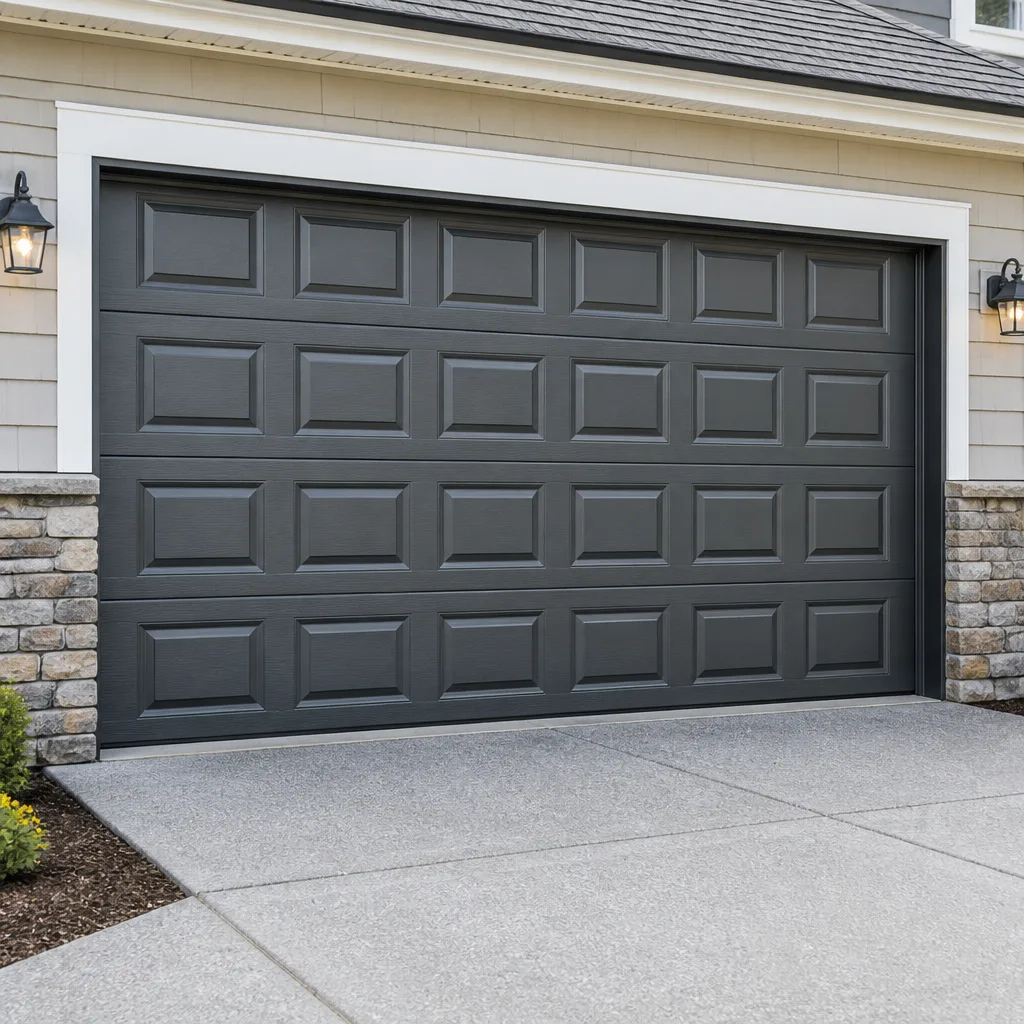 Raised-panel steel
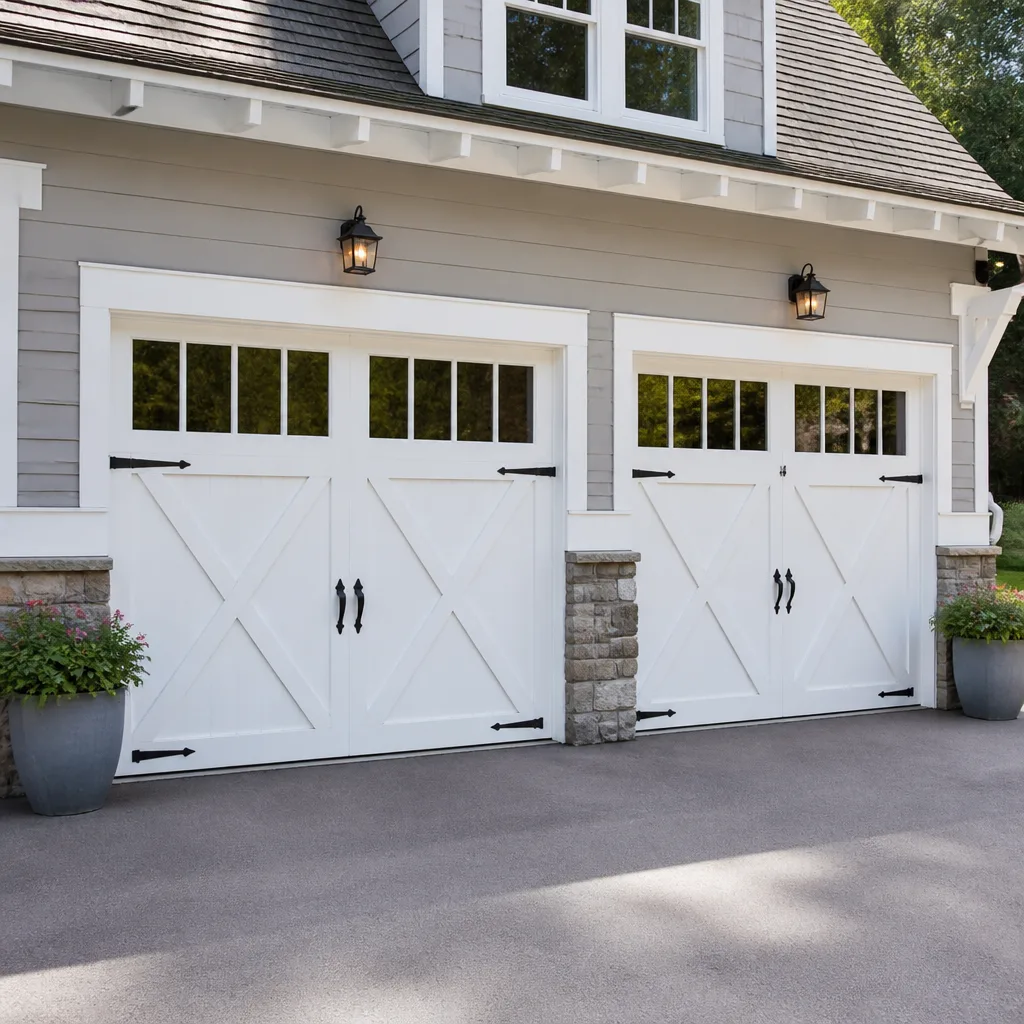 Carriage house
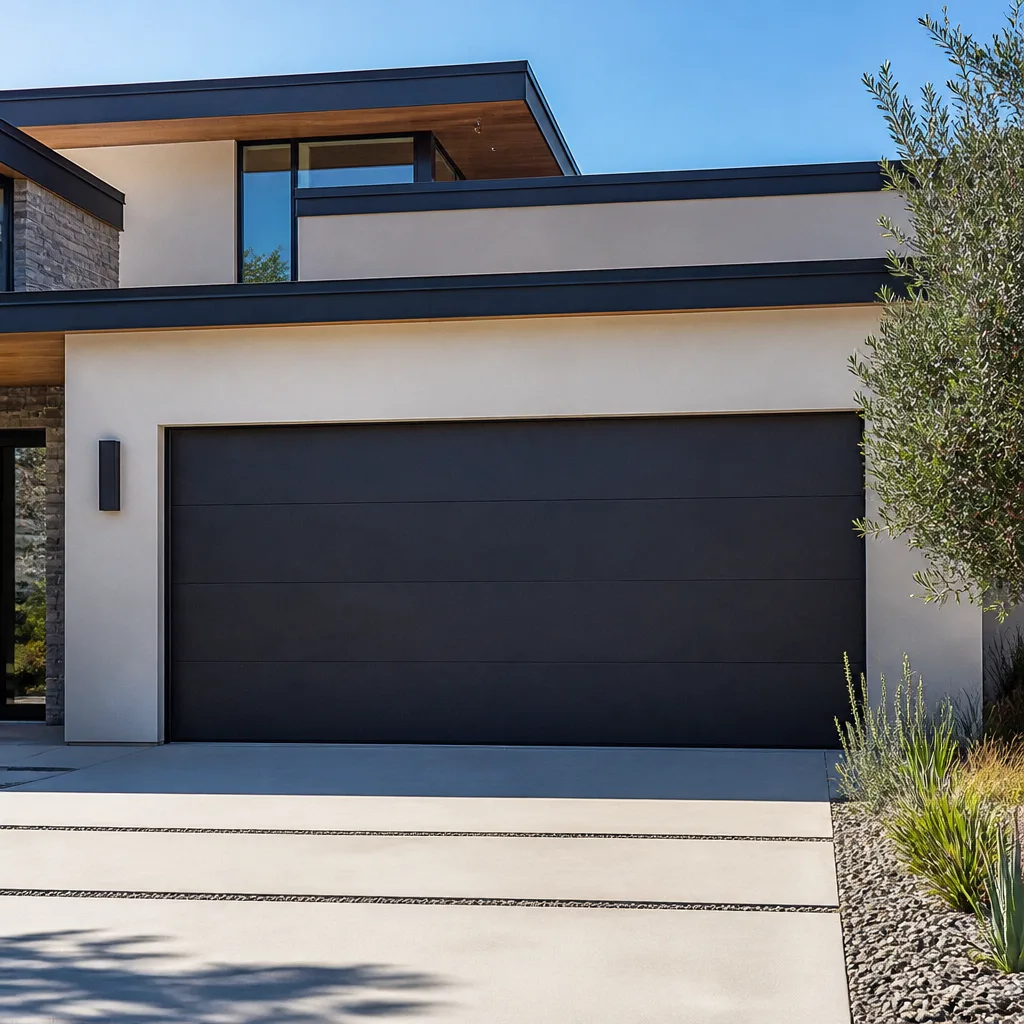 Modern flush
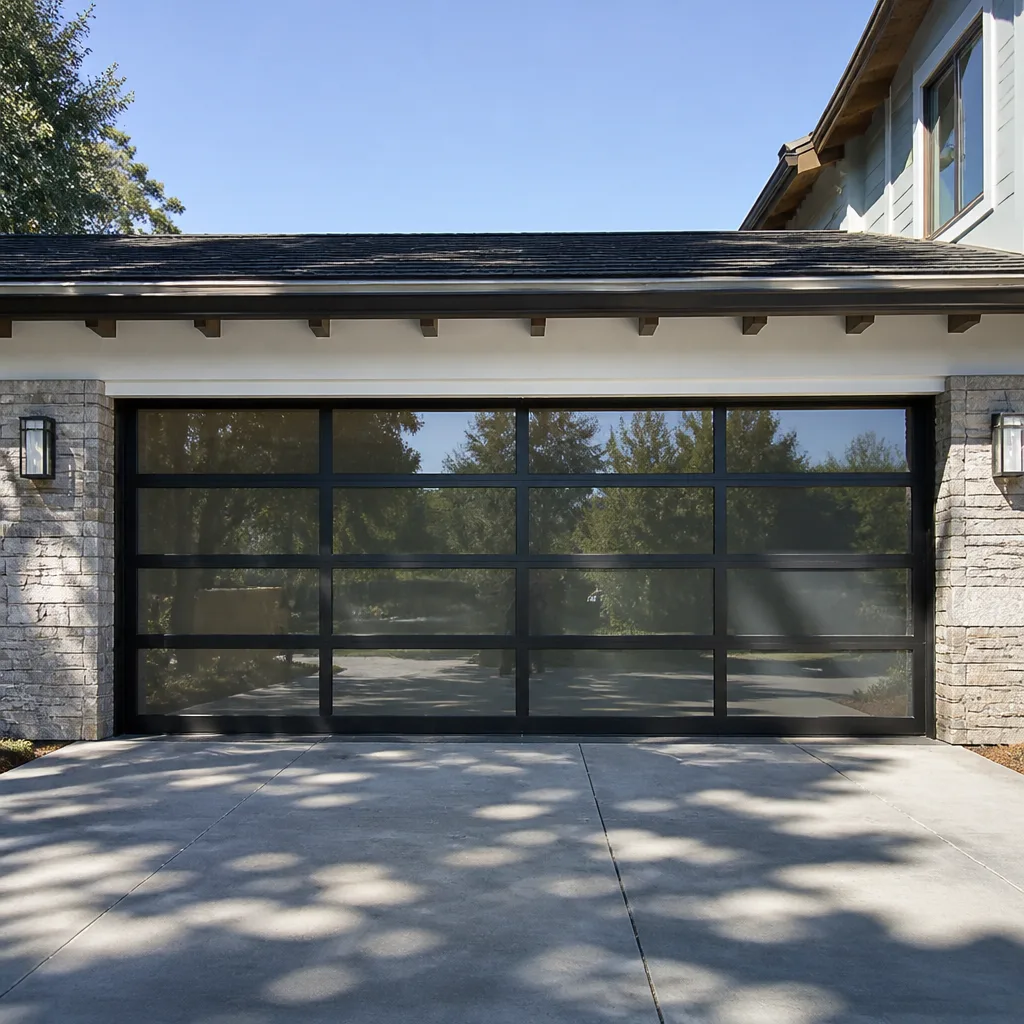 Full-view glass
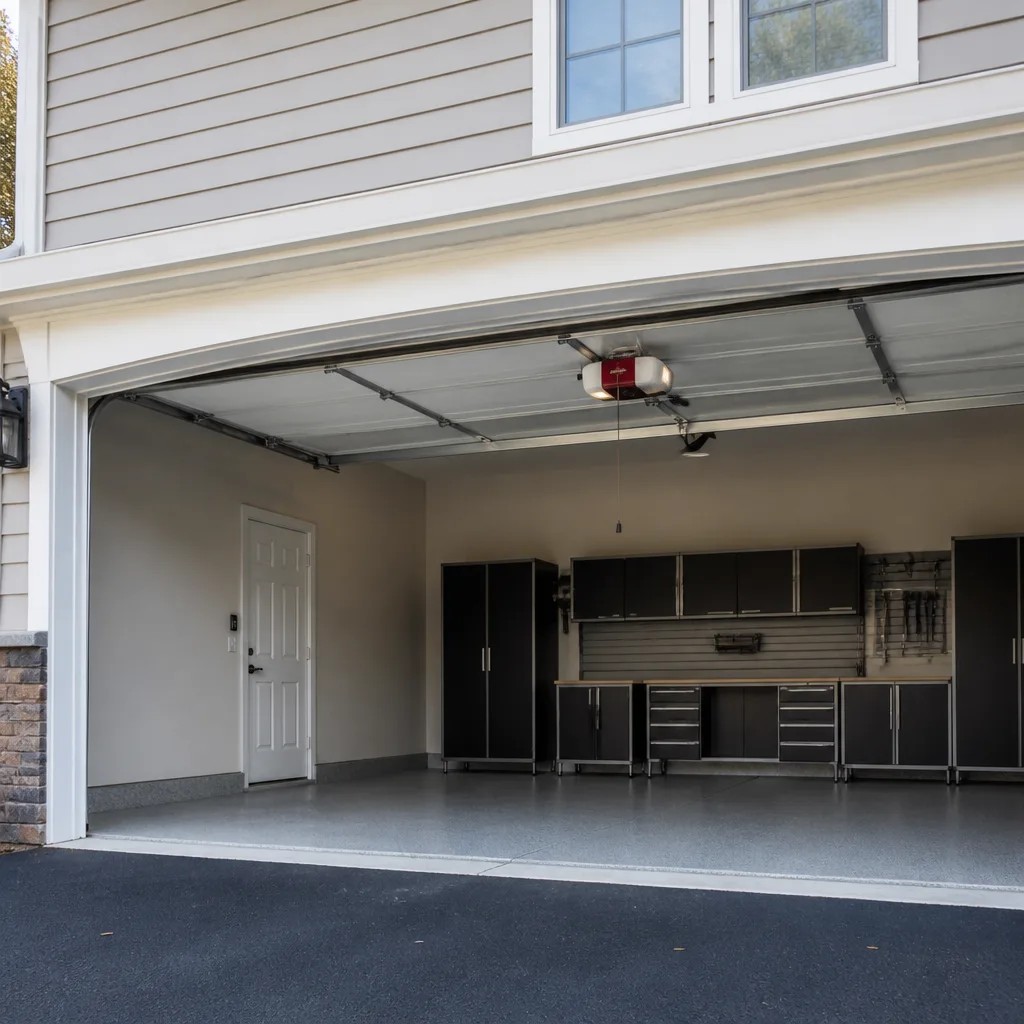 LiftMaster openers
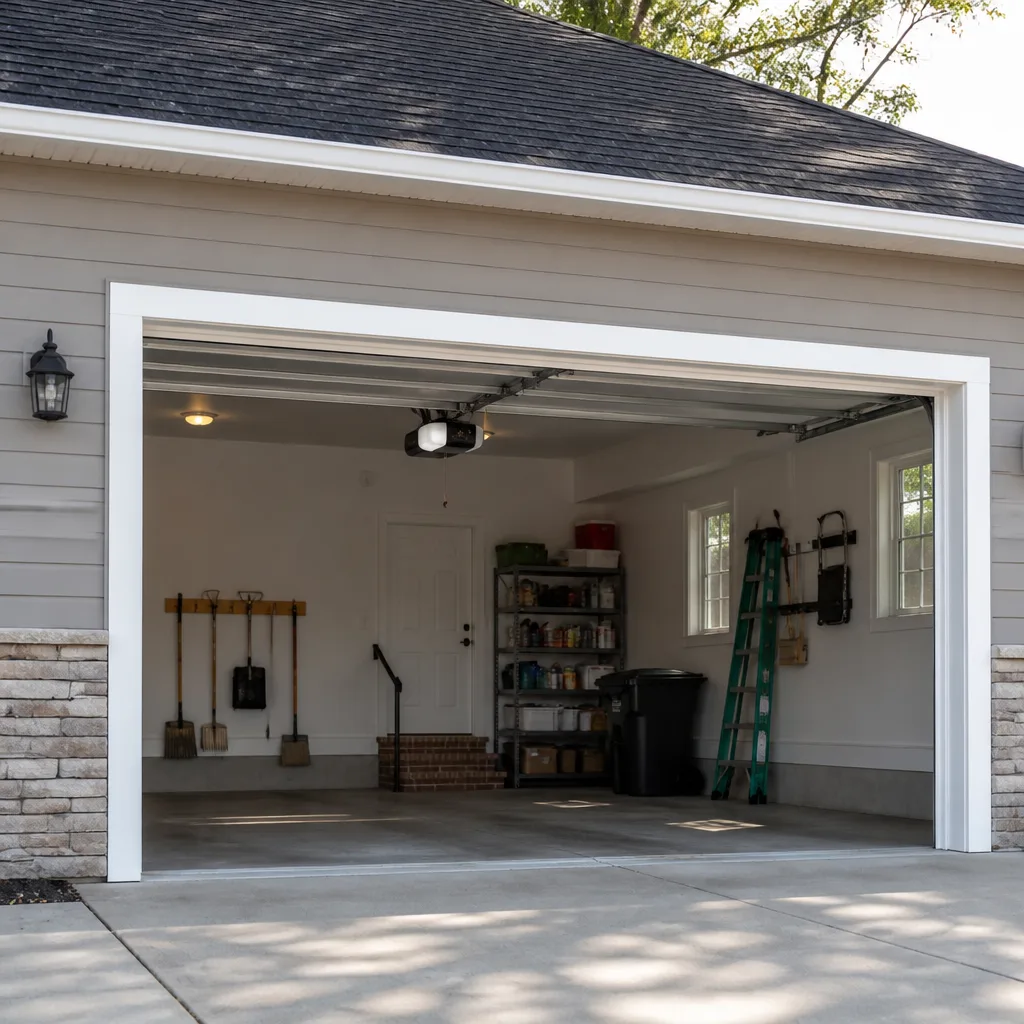 Chamberlain openers
Full 25-point door and opener safety check with every visit - springs, cables, rollers, tracks, and your LiftMaster or Chamberlain opener included
You get a price before we start. It does not change when the pro arrives.
Get your free estimateGarage Door Repair Maintenance Checklist for Kirkland Homeowners
The number one maintenance mistake we see Kirkland homeowners make isn’t skipping lubrication. It’s lubricating the wrong parts with the wrong product. Grease on a nylon roller. Spray oil on a track. WD-40 on anything that moves because it “seemed right.” Each of those moves accelerates wear on the exact components the owner was trying to protect, and the damage usually shows up months later as a grinding opener or a door that won’t close flush. This guide gives you the correct lubrication map, a safe balance test you can run without touching a spring, the visual wear thresholds on cables and rollers, and a Kirkland-specific inspection calendar. It’s a prioritized diagnostic protocol, not a ten-point list you skim and forget.
Quick Answer
A garage door maintenance checklist for Kirkland should be run in fall before the rain season, not in spring. Inspect rollers, hinges, and the bottom seal for wear, lubricate the correct components with silicone spray or white lithium grease only, test the balance and safety reversal monthly, and check cables and springs visually without touching them. Anything showing heavy rust, fraying, or a door that won’t hold halfway open needs a professional look. Our technicians have up to 14 years of experience and free estimates are always available.
Styles & brands we work with
- Raised-panel steel
- Carriage house
- Modern flush
- Full-view glass
- LiftMaster openers
- Chamberlain openers
Table of Contents
- The Right Order to Inspect a Garage Door
- The Correct Lubrication Map
- The Balance and Tension Test You Can Do Safely
- Why Fall Beats Spring for Kirkland Inspections
- Visual Wear Indicators: 30-Day vs. 90-Day Replacement
- Opener Safety Reversal and Force Limit Tests
- The Kirkland Seasonal Maintenance Calendar
The Right Order to Inspect a Garage Door
Inspection order matters because some failures hide others. A fraying cable can mask a dying roller. An unbalanced door can make a healthy opener look weak. Start with the parts that move least and work toward the parts that carry the most load. This sequence takes about ten minutes on a typical Kirkland single-car or double-car door.
- Visual survey from outside. Stand in the driveway and look at the door panels. Check for sagging, misalignment, or gaps between sections. Note any panel that sits proud of its neighbor.
- Bottom seal and weather stripping. Kneel and run a hand along the bottom rubber. Look for cracks, flattening, or gaps at the corners.
- Rollers. With the door closed, look at each roller where it sits in the track. Frayed nylon, flat spots, or a wobble in the stem are the three things to spot.
- Hinges and brackets. Check every hinge plate. Loose screws are common on older doors around Kirkland’s Juanita and Finn Hill neighborhoods where wood framing shifts with seasonal moisture.
- Cables. Look only. Do not touch. Note fraying, kinks, or slack on one side versus the other.
- Springs. Look only. Note a visible gap in a torsion spring or heavy rust on an extension spring.
- Track alignment. Sight down each vertical track. Any bend, dent, or gap at the joint is a flag.
- Opener and safety sensors. Test the reverse function and force limit last, once the mechanical parts are confirmed sound.
Running the inspection in this order means you’re not testing the safety reverse on a door that’s already misaligned, which can produce a false pass. It also means a problem early in the list gets caught before you spend time on parts that may not need attention.
The Correct Lubrication Map
This is where most Kirkland homeowners get it wrong, and the mistake is expensive because it shortens roller life and attracts grit into the tracks. Not every moving part gets the same product, and some parts should never be lubricated at all. Here’s the map we use on every door we service.
What gets silicone spray
- Rollers (nylon or steel). A light coat on the stem and bearing surface. Silicone is dry, doesn’t attract dust, and won’t break down nylon.
- Hinges. A quick spray into the pivot point. Work the hinge by hand after spraying so the silicone distributes.
- Track (lightly). A very thin pass on the inside curve of the track, not a flood. Too much and the rollers slide instead of roll, which is worse.
- Bottom seal. A thin coat on the rubber edge keeps it pliable through a wet Kirkland winter.
What gets white lithium grease
- Opener rail and drive screw. White lithium clings to the rail and won’t drip onto the car below. Use a small bead, not a smear.
- Chain drive (if you have one). A light coat on the chain links. LiftMaster and Chamberlain chain models benefit here more than belt models.
- Springs. A thin coat to inhibit rust, particularly on older torsion springs. Never force grease into a spring, and never touch a spring that’s under tension to apply it. Wipe the surface only.
What gets nothing at all
- Safety sensors. Ever. A greasy lens causes false trips and intermittent failures.
- Track (heavy application). A greased track collects grit that wears rollers faster.
- Photo-eye wiring and connections. Keep them dry and clean.
WD-40 is not a lubricant for this job. It’s a solvent and water displacer, and in our experience, using it as a general spray on rollers and hinges dries out the very surfaces it’s meant to protect. If you already have a WD-40 habit, swap it for a silicone spray and leave the lithium grease for the rail and springs. That one change will add years to your rollers.
For deeper component problems discovered during lubrication, garage door repair professionals can assess and correct the issue before it becomes a spring failure.
The Balance and Tension Test You Can Do Safely
You can check whether your door is balanced without ever touching the springs. This is the most important check most homeowners skip, and it’s also the safest diagnostic in the whole checklist. Here’s the procedure.
- Disconnect the opener. Pull the manual release cord (usually a red handle hanging from the opener trolley). The door should now move by hand.
- Run the door up and down manually. It should move smoothly with steady resistance. If it feels heavier in one section or sudenly light in another, note that.
- Stop it halfway. Bring the door up about halfway and let go.
- Pass: the door stays where you left it. That’s a balanced door.
- Fail: the door slowly drifts down, or slams down. That’s a sign of a weakening spring, and it means the opener is doing work the springs should do.
- Fail (opposite direction): the door rises on its own. That’s an over-wound or misadjusted spring and a sign it was recently touched, possibly by someone unqualified.
- Reconnect the opener and run a full open-close cycle to confirm it tracks in the rails normally.
Our technicians have up to 14 years of experience, and we’ll tell you plainly: balance failures are the leading early warning of a spring about to go. A door that drifts down slowly in the “halfway” test is telling you the spring has lost tension. That’s the moment to schedule a professional inspection, before a full failure traps a car or leaves the home unsecured.
We do not recommend testing spring tension by hand. If you see a gap in a torsion spring or feel an imbalance during the halfway test, that’s the point to stop and call. For doors under active repair, our garage door spring repair specialists handle the full inspection and replacement.
Why Fall Beats Spring for Kirkland Inspections
The standard advice is to inspect your garage door in spring. For Kirkland homeowners, that’s the wrong schedule. Fall matters more here, and the reason comes down to how a door behaves through a wet Pacific Northwest winter.
Kirkland sits between Lake Washington and the Cascade foothills, which means two things for a garage door. First, the fall rain season brings sustained humidity that works its way into wood framing around neighborhoods like Rose Hill and Bridle Trails. When framing swells, the door’s track alignment can shift by a few millimeters, and that’s enough to make rollers ride hard against the rail. Second, the temperature swings from fall into winter stress the bottom seal, the hinges, and any wood or composite panels. A seal that’s already cracked will let more water in, and a hinge that’s already loose will work itself looser.
Running your inspection in October or early November catches these conditions before they compound. You get ahead of the wet season instead of cleaning up after it. A spring inspection still makes sense for the door’s balance check, but the heavy diagnostic work belongs in fall.
There’s a second local timing factor: many Kirkland garage doors are on homes built in the 1980s and 1990s, and the factory-installed rollers and seals on those doors are past their expected service life. If your door has never had a component replaced, the fall check is the one that will find the most. We see this constantly on doors in the Houghton and Market neighborhoods, where the original hardware is often still in place.
Visual Wear Indicators: 30-Day vs. 90-Day Replacement
Every wear item on a garage door gives you a visual cue before it fails. The trick is knowing which cues mean “watch it closely” and which mean “replace it now.” Here’s how we triage what we see on a maintenance inspection.
Replace within 30 days
- Cables: any visible fraying, a loose strand, or a kink. Cables are load-bearing and a frayed cable is a safety risk, not a maintenance item.
- Rollers: flat spots, deep grooves, or a bearing that wobbles when you move the roller by hand.
- Springs: a visible gap in a torsion spring, or a broken extension spring. Stop using the door.
- Bottom seal: a tear longer than a few inches, or a seal that’s completely detached at one end.
- Hinges: a hinge plate that’s bent or a barrel showing heavy rust.
Replace within 90 days
- Rollers: slight surface wear or a faint flat spot but still rolling smoothly.
- Bottom seal: cracking along the length but still sealing at the corners.
- Hinges: surface rust on the plate but the barrel still moves freely.
- Weather stripping: hardening or minor gaps at the sides.
- Springs: light rust but no visible gap and a balanced door. Have them inspected on your next professional visit.
The 30-day items are the ones where we’d rather see the door serviced now than after a failure. A frayed cable near Kirkland’s Finn Hill neighborhood, where the door faces west into the afternoon sun, will degrade faster than the same cable on a shaded door because UV exposure adds to the fatigue. The same goes for the bottom seal. A door that gets full sun in summer and rain in winter works that rubber harder than a door tucked under a carport.
Opener Safety Reversal and Force Limit Tests
These are the two tests most homeowners skip, and they’re the ones that matter most for injury prevention. The safety reverse and force limit are the systems that stop the door from crushing something in its path. Testing them takes two minutes and requires no tools.
Safety reversal test
- Open the door fully, then place a roll of paper towels or a small box flat on the ground in the center of the opening.
- Press the close button and watch the door come down.
- Pass: the door contacts the object and immediately reverses to open.
- Fail: the door continues pressing on the object, or stops without reversing.
- Repeat the test with the door partway open (about knee height) to confirm the photo-eye sensors reverse the door before it contacts anything.
Force limit test
- With the door open, hold the bottom edge of the door lightly with one hand while a helper presses the close button.
- Pass: the door stops and reverses as soon as it meets resistance from your hand.
- Fail: the door pushes through your hand with noticeable force. If you can’t stop it easily with light pressure, the force limit is set too high.
- Repeat both tests quarterly and after any track, hinge, or roller replacement.
These are also the checks to run on any older opener still using liftmaster or chamberlain technology, where the force limit adjustment is usually a small screw on the back of the motor housing. If you don’t know which screw does what, don’t guess. A wrong adjustment can make the door unsafe. Our garage door opener repair specialists can confirm both settings in a single visit, and it’s worth it for a door that sees heavy use or has young kids or pets nearby.
The Kirkland Seasonal Maintenance Calendar
Maintenance intervals aren’t arbitrary. They follow the loads the door carries and the local conditions it lives in. Here’s the calendar we recommend for a typical Kirkland home.
Monthly (5 minutes)
- Safety reversal test
- Visual check of the bottom seal and track
- Listen for new grinding, scraping, or popping sounds
Fall, before the rain season (30-45 minutes)
- Full lubrication pass (silicone on rollers, hinges, tracks; lithium grease on rail and springs)
- Full visual inspection of cables, springs, rollers, and hinges
- Balance test
- Force limit test
- Weather stripping and seal check
Spring (20-30 minutes)
- Re-lubrication of high-wear parts (rollers and hinges)
- Visual wear check on everything listed in the 30/90-day categories
- Balance test
Annually or after any repair
- Professional inspection by a garage door specialist
- Spring tension and cable condition check
- Opener force limit and safety reverse calibration
One note on the opener: if you’re running a Raynor door with an older opener or a chain drive from Genie, the rail and chain lubrication interval is shorter than a belt drive, because chains wear faster under load. Add a mid-winter lube pass on the rail if you’re running a chain model.
If your opener is behaving oddly between visits, or the door reverses on its own, see our Kirkland Garage Door Repair Pros page for the full service overview. And if you’re curious how a professional inspection compares to your own upkeep, a free estimate will show you exactly what a specialist would flag.
Common Mistakes to Avoid
- Using WD-40 as a universal lubricant. It’s a solvent, not a lubricant, and using it on rollers and hinges shortens their life. Use silicone spray instead.
- Greasing the track heavily. Too much grease collects grit, which wears rollers faster. A light silicone pass is enough.
- Forcing a door that won’t close. If the door drags or reverses on its own, there’s a mechanical issue. Forcing it can bend the track or damage the opener.
- Inspecting in spring on a Northwest schedule. Kirkland doors take their heaviest beating through the fall and winter rain, so fall is the time to inspect, not spring.
- Skipping the safety reverse test because it “worked last year.” Photo-eye alignment shifts over time, especially when a door sits on a slightly settling slab or a driveway that shifts with the wet season. Test it monthly.
- Replacing a spring or cable without inspecting the other. Springs typically come in matched pairs, and a cable that failed usually has a partner under similar fatigue. Replace matched sets together.
- Ignoring an unbalanced door. A door that drifts down from halfway is telling you the spring is weakening. Ignoring it puts full load on the opener and accelerates failure.
See the difference
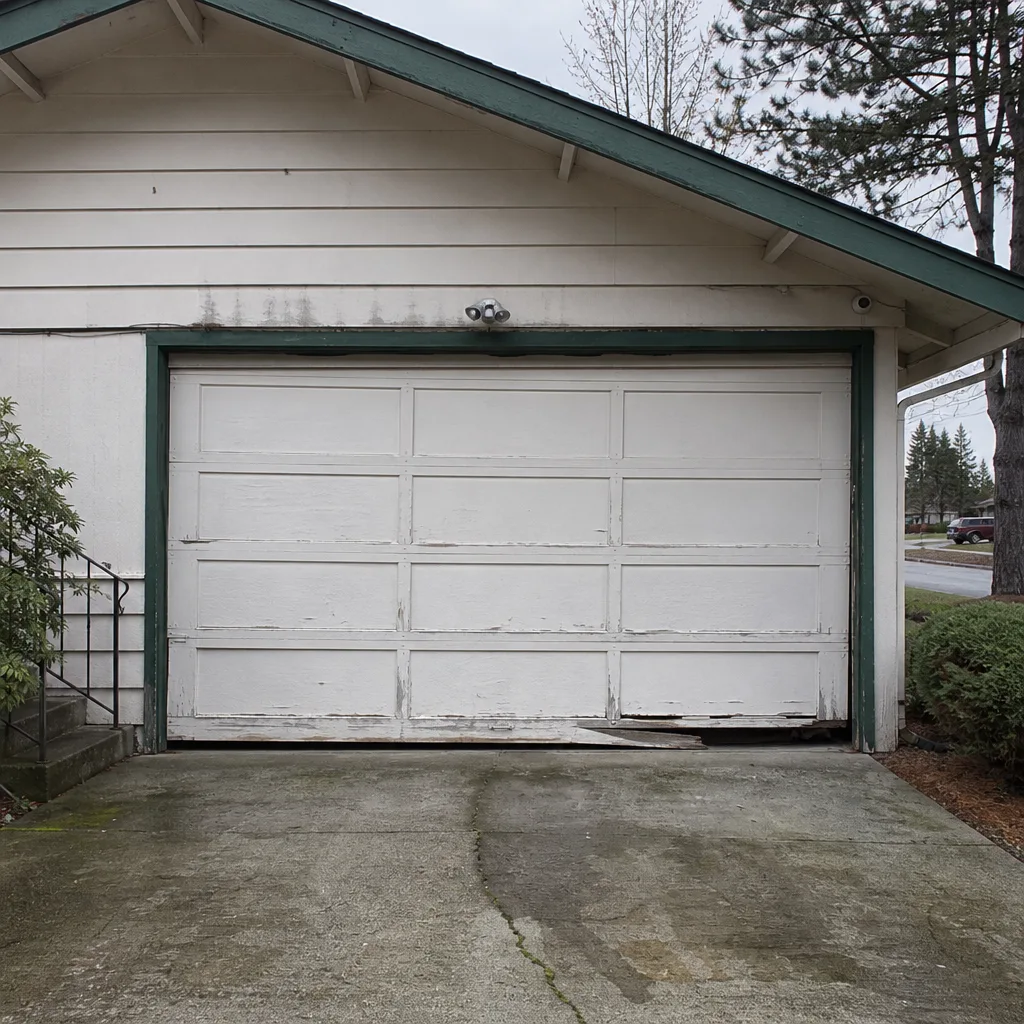 Before
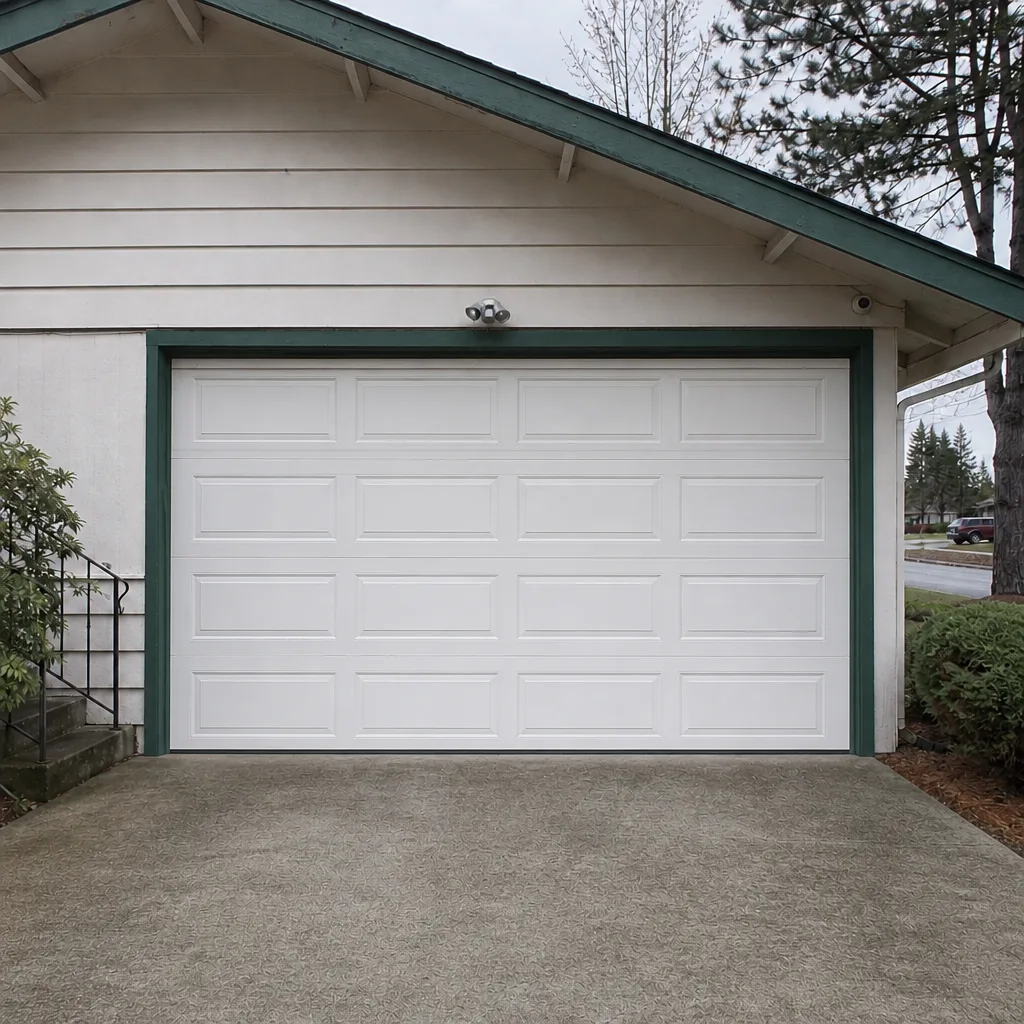 After
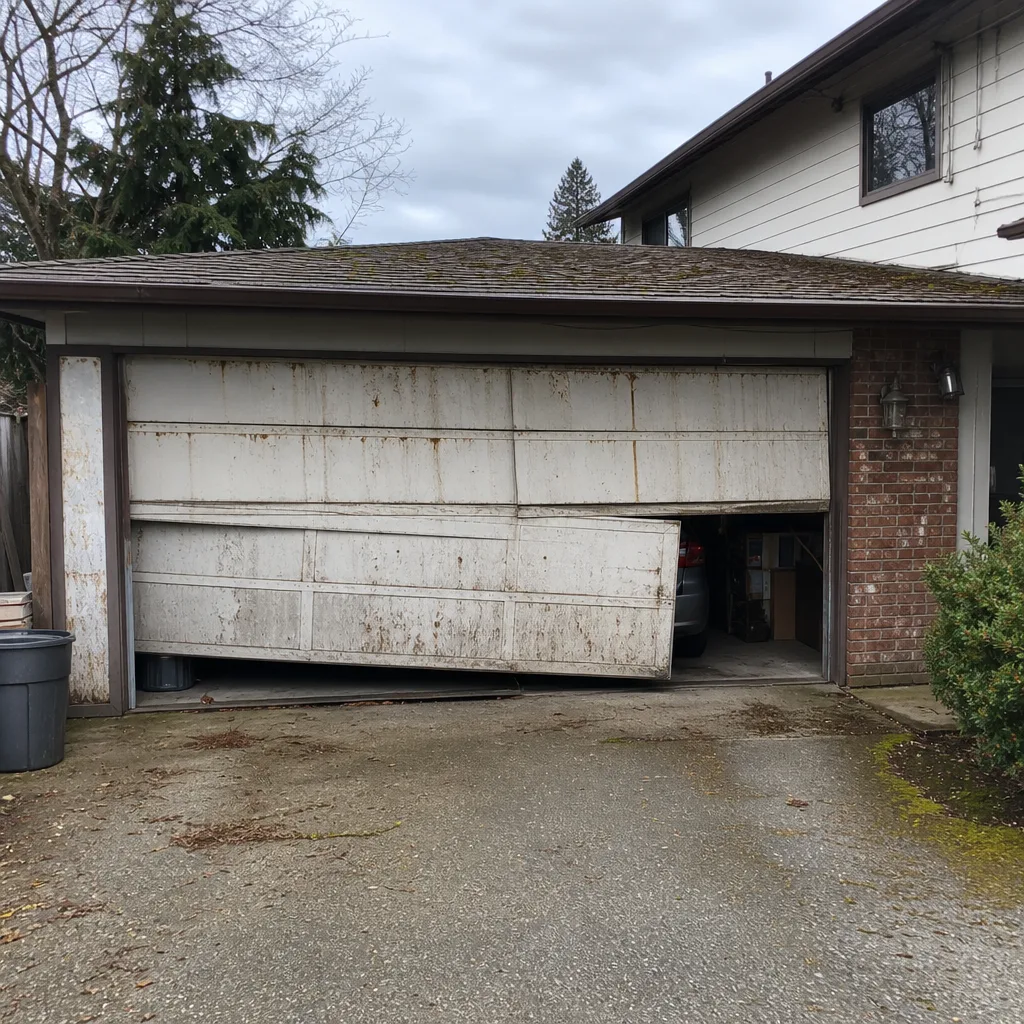 Before
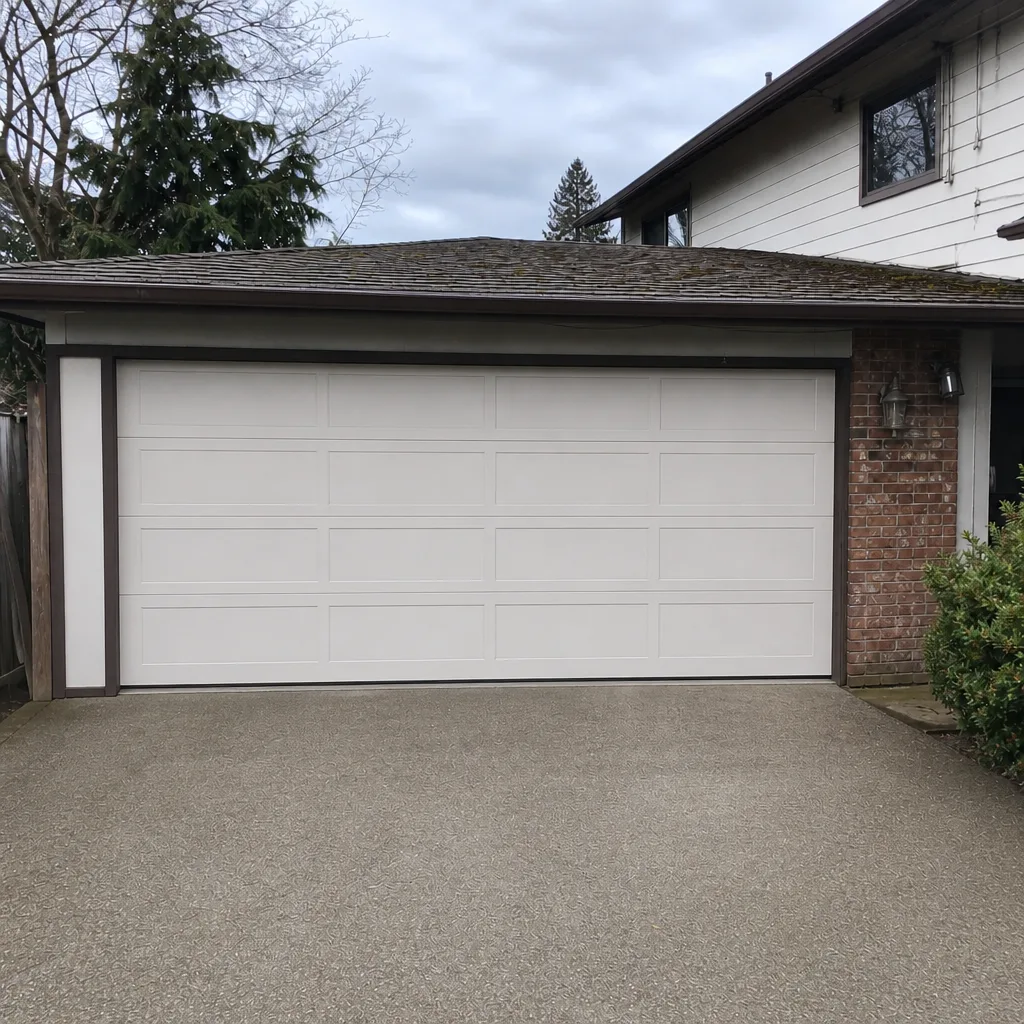 After
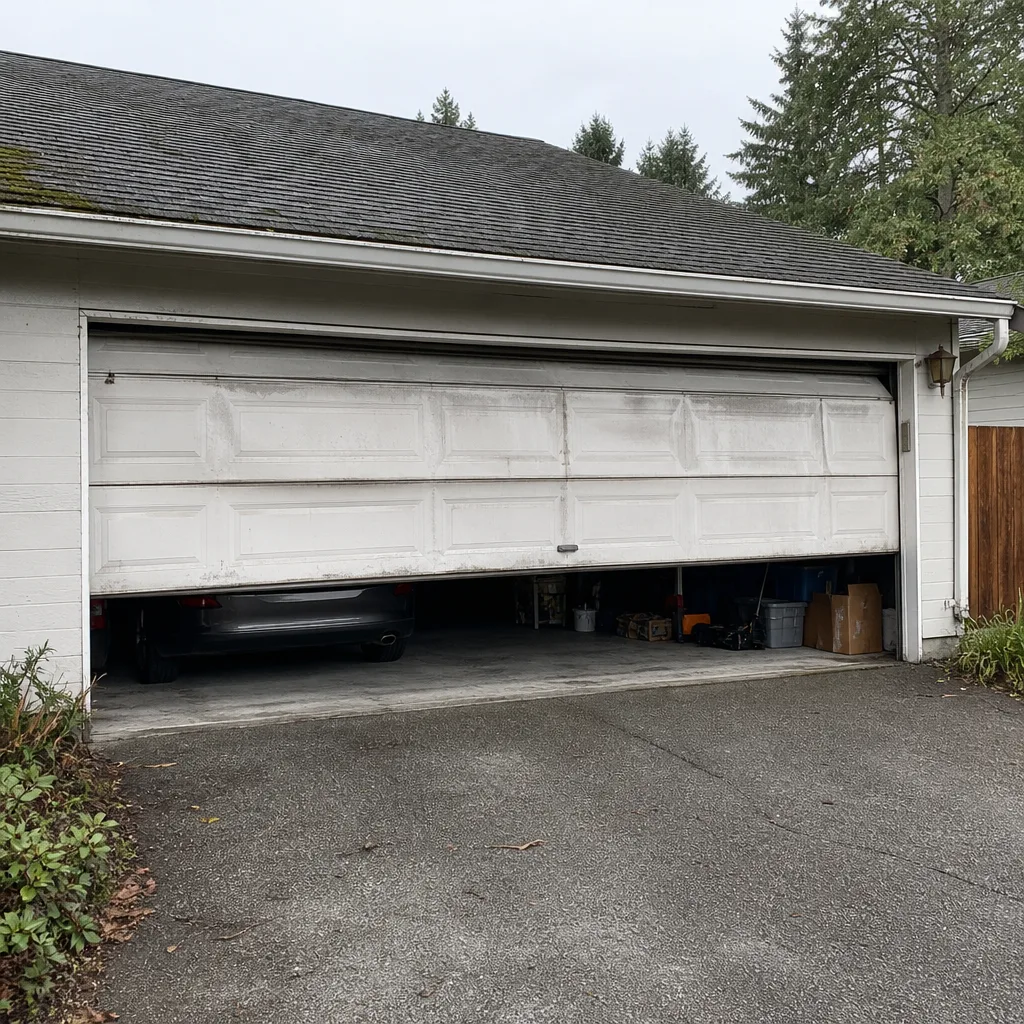 Before
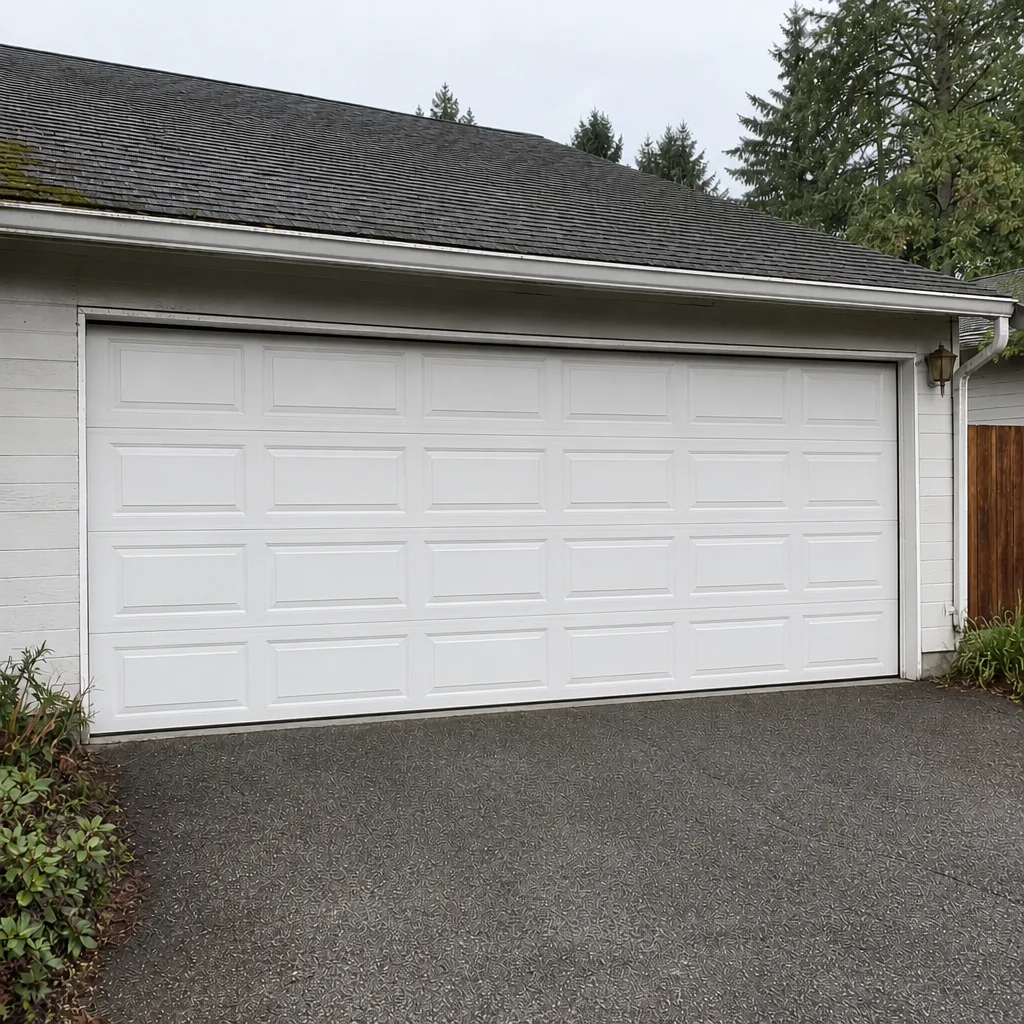 After
When to Call a Professional
Some checks are homeowner diagnostics; some belong to a specialist. Call a professional when you see a frayed cable, a gap in a spring, a door that slams or drifts from the halfway position, a track that’s bent, or an opener that won’t reverse. Springs, cables, and torsion assemblies are under high tension and carry real injury risk. They’re not a repair to attempt without training, and a wrong move can cause serious harm. Our technicians have up to 14 years of experience and are certified on eight major garage door and opener brands, including LiftMaster, Chamberlain, Genie, Clopay, Amarr, Wayne Dalton, Craftsman, and Raynor. We handle emergency calls when a door traps a car or leaves a home open, and we offer new door installation when your maintenance record points to replacement. Kirkland Garage Door Repair Pros offers free estimates in Kirkland. Call (855) 981-4153. We answer 24/7. Fast dispatch from 7am to 7pm, Sunday through Friday.
Frequently Asked Questions
Lubricate twice a year: once in fall before the rain season and once in spring. In Kirkland’s wet months, hinges and rollers can start to stiffen faster than in a drier climate, so don’t stretch the interval past six months. Call (855) 981-4153 for an exact quote on a professional tune-up. Estimates are free.
No. Garage door springs are under high tension, and releasing that tension without the right tools and training can cause serious injury. Spring repair should always go to a trained technician. Our garage door spring repair team handles both torsion and extension springs. Call (855) 981-4153 for a free estimate.
If a door won’t close in cold weather, the most common causes are a stiff bottom seal, a track that’s shifted with temperature, or a photo-eye sensor that’s been knocked out of alignment. Check the sensors first (they should be facing each other and clean), then check the track for gaps at the joints. If the door still refuses to close, that’s a call to a professional. Call (855) 981-4153 for an exact quote. Estimates are free.
Replace rollers within 30 days if they show flat spots, deep grooves, or a wobbling bearing. Within 90 days if you see light surface wear. If you’re not sure, a professional inspection will tell you. Call (855) 981-4153 for a free estimate.
Repair is usually the right call if the door panels are structurally sound and you’re only dealing with rollers, hinges, or the opener. Replacement makes more sense when panels are warped, the door has been struck, or the repair list grows past what a single visit can cover. We handle both repair and new installation, so you won’t be referred out. Call (855) 981-4153 for a free estimate.
A professional visit gives you a trained set of eyes on the parts you shouldn’t touch: springs, cables, and opener calibration. That’s worth the difference, particularly if you’re not certain about balance or force limit settings. Call (855) 981-4153 for an exact quote. Estimates are free, and the written estimate sets the price before any work starts.
The Bottom Line
Maintenance on a Kirkland garage door comes down to four things: correct lubrication with the right product on the right part, a fall inspection timed ahead of the rain season, a safe balance test that tells you when the spring is weakening, and the two safety tests most homeowners skip. Run those consistently and you’ll catch problems at the 30-day window instead of the emergency window. When something moves from the “monitor” column to the “fix it now” column, that’s the moment to bring in a specialist. Our team handles repair, opener repair, spring repair, installation, and emergency service across Raynor, LiftMaster, Chamberlain, Genie, and four other major brands.
Contact Us
If your inspection turned up something that needs a trained eye, call Kirkland Garage Door Repair Pros at (855) 981-4153 for a free estimate. We answer 24/7, and fast dispatch runs from 7am to 7pm, Sunday through Friday. Whether your door needs a quick repair, a spring replacement, opener work, or a full replacement, we’ll assess it, quote it upfront, and put the door back in service.
Written by the team at Kirkland Garage Door Repair Pros.