
Last updated November 21, 2026
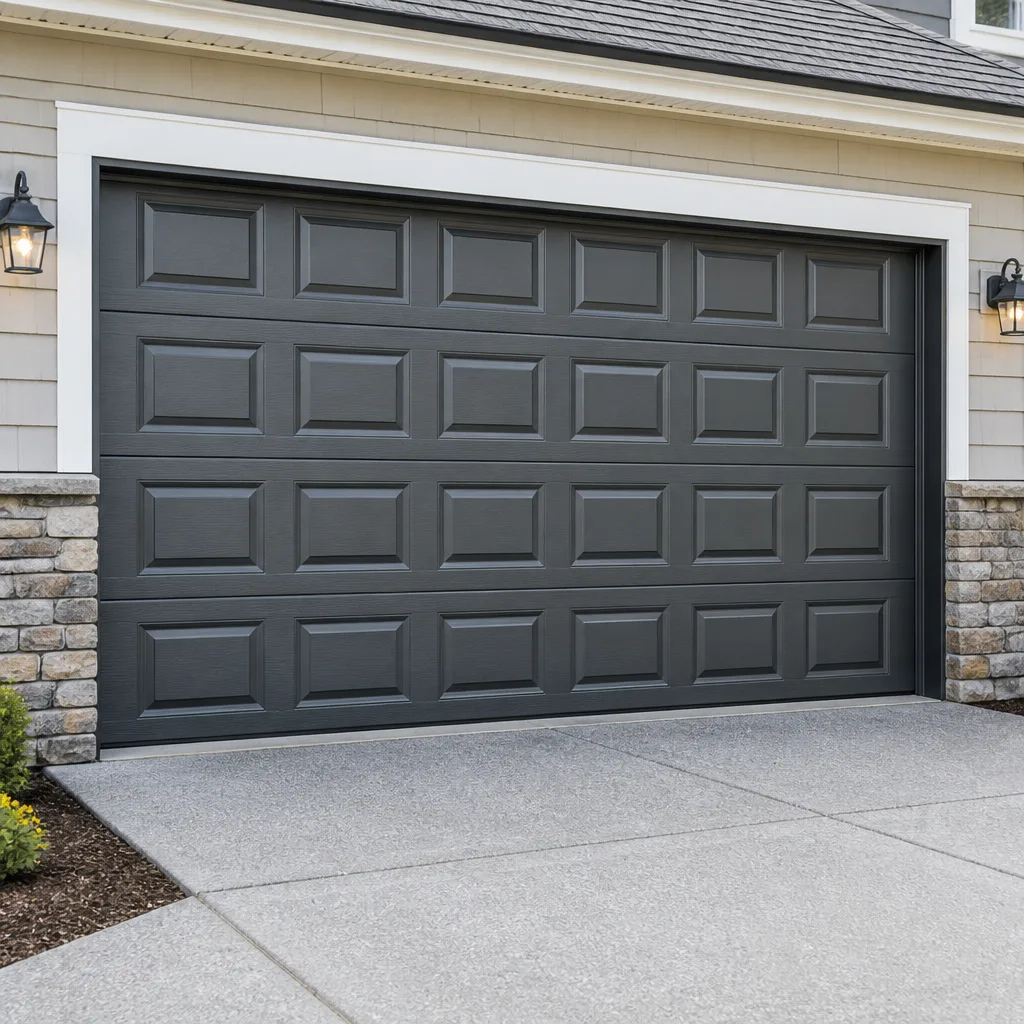 Raised-panel steel
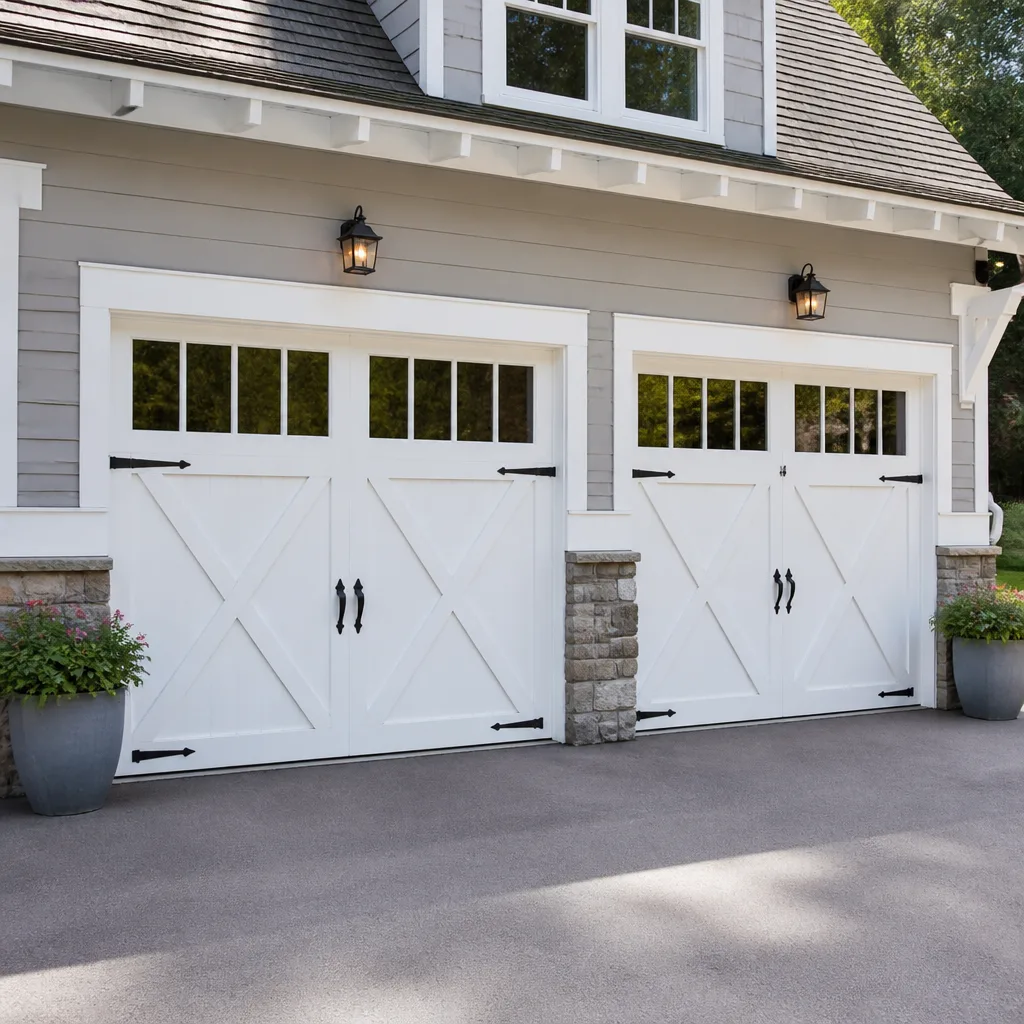 Carriage house
 Modern flush
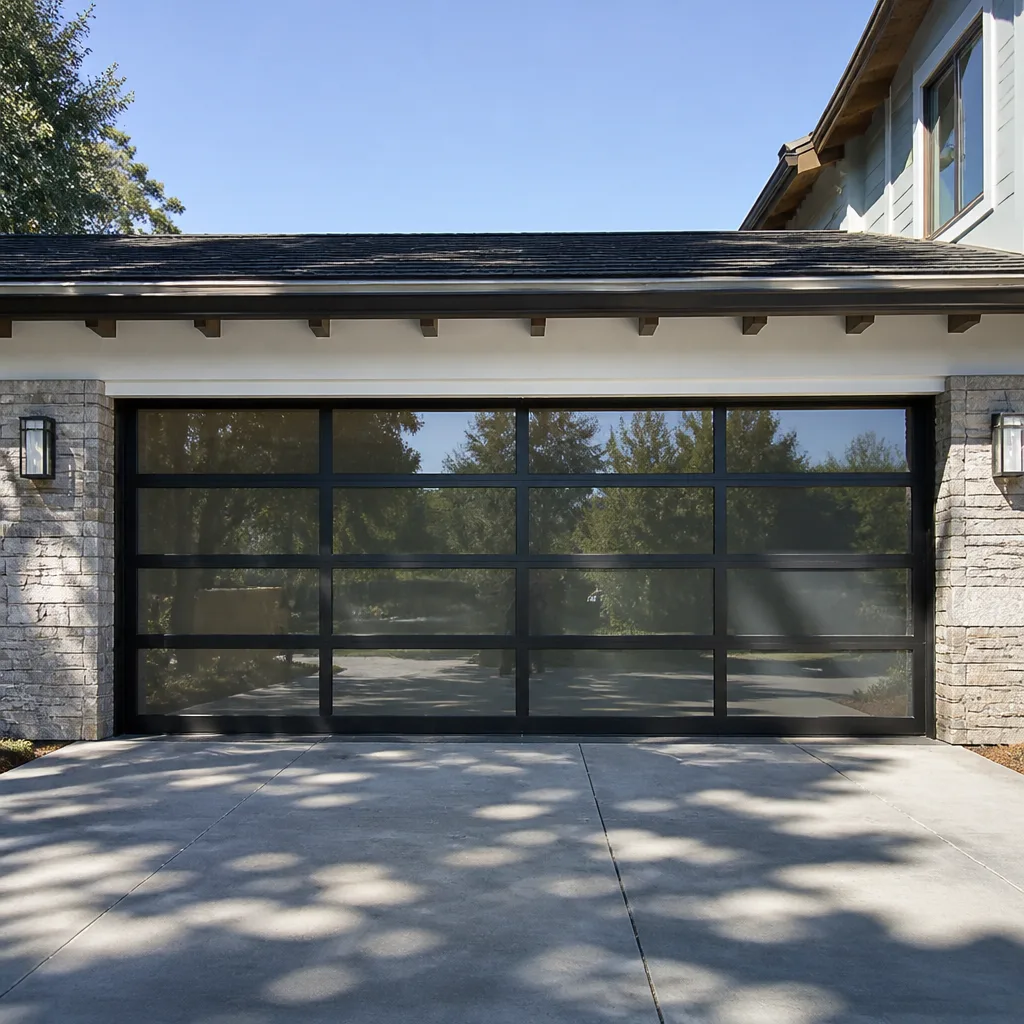 Full-view glass
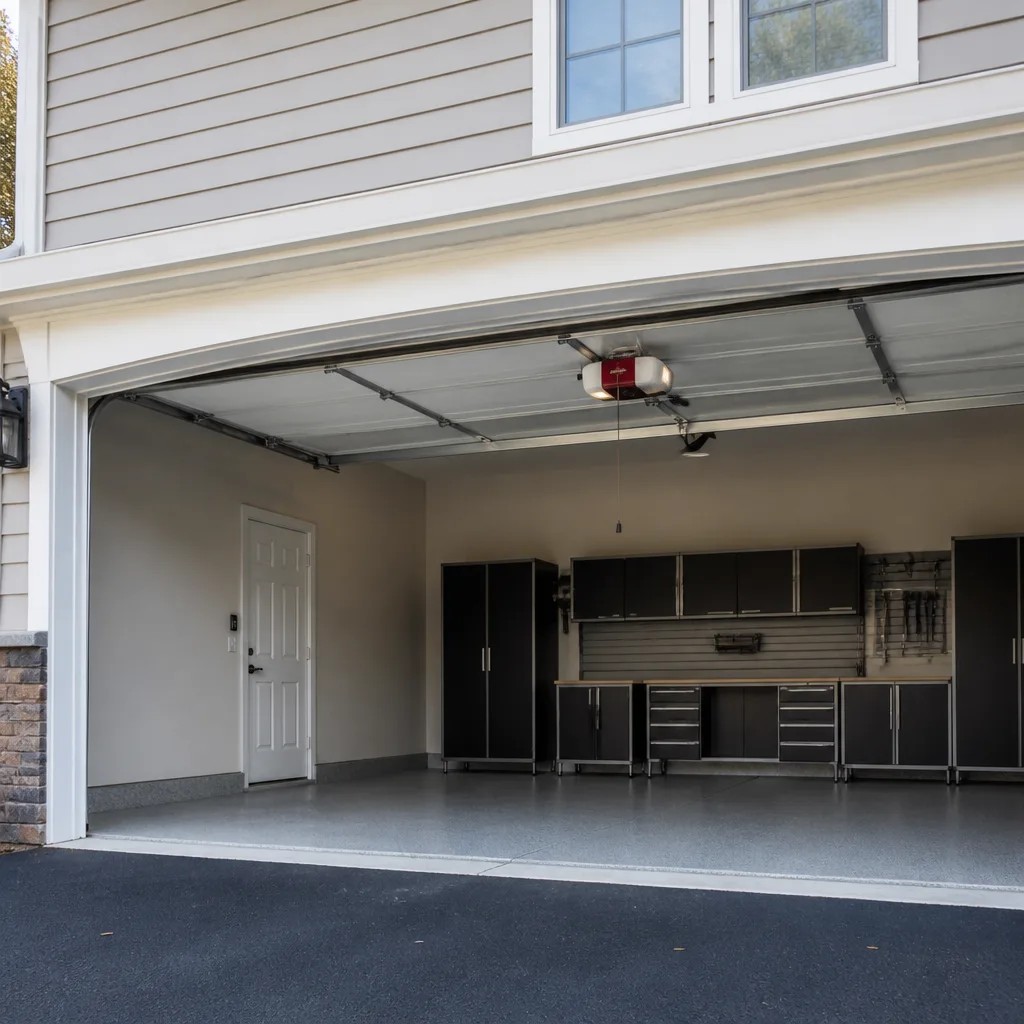 LiftMaster openers
 Chamberlain openers
Full 25-point door and opener safety check with every visit - springs, cables, rollers, tracks, and your LiftMaster or Chamberlain opener included
You get a price before we start. It does not change when the pro arrives.
Get your free estimateGarage Door Repair Maintenance Schedule: What to Do and When
Lubricating your garage door springs every six months sounds responsible. If you’re reaching for WD-40 to do it, you’re accelerating corrosion on the very component most likely to injure you when it fails. That’s the strange truth about garage door maintenance: the wrong interval on the right task can do more harm than skipping it entirely. Most homeowners in Kirkland either ignore their door until something snaps or over-oil the wrong parts on a schedule nobody defined. This guide breaks maintenance into monthly, biannual, and annual tiers built around how the components actually wear, tells you which lubricant belongs where, and explains the balance and safety tests you can run yourself – plus the threshold where a technician needs to step in.
Quick Answer
A garage door needs a light monthly check (visual and a listen), a biannual lubrication and balance test in spring and fall, and an annual full inspection covering springs, cables, rollers, hinges, and the opener’s safety reverse. In Kirkland’s wet climate, the fall inspection matters most because bottom seals and tracks take on water through the rainy season. Springs and cables are never DIY territory – those call for a specialist.
Styles & brands we work with
- Raised-panel steel
- Carriage house
- Modern flush
- Full-view glass
- LiftMaster openers
- Chamberlain openers
Table of Contents
- Why a Tiered Schedule Beats an Annual Checklist
- The Monthly Tier: What to Check in Ten Minutes
- The Biannual Tier: Lubrication and the WD-40 Myth
- The Annual Tier: A Full Inspection, Component by Component
- Kirkland’s Wet Winters and the Fall Seal Check
- Tension and Balance Tests You Can Do Safely
- Opener Maintenance Most Homeowners Skip
- Your Kirkland Seasonal Calendar at a Glance
Why a Tiered Schedule Beats an Annual Checklist
Garage door components don’t wear at the same rate. Rollers, hinges, and tracks want attention every few months. Springs and cables run on a cycle count, so their wear depends on how often the door opens, not the calendar. The opener’s safety systems should be verified more than once a year because a drifting force setting is a hazard long before anything visibly breaks. A flat annual checklist treats all of these the same, which is why so many doors still fail between “maintenance appointments.”
Think of it as three tiers stacked on top of each other:
- Monthly – quick visual checks and a listening test while the door runs. Catches the obvious stuff: wobble, grinding, a dragging seal.
- Biannual – lubrication, balance test, and a close look at hinges and rollers. Spring and fall are the natural bookends in Kirkland because the seasons flip the demands on the door.
- Annual – a full inspection of every moving part plus opener safety testing. This is also the moment to decide whether a worn door is worth repairing or replacing.
The reason the interval matters so much comes down to how each part fails. Over-lubricated rollers collect grit and wear flat spots faster. Dry hinges squeal but keep working. Springs don’t announce themselves at all – they just reach the end of their cycle count. Matching the task to the right interval is what keeps a Kirkland door quiet and safe year after year, and it’s why we build every maintenance conversation around wear cycles rather than a generic to-do list.
The Monthly Tier: What to Check in Ten Minutes
The monthly tier is about spotting change, not fixing anything. Ten minutes with the door running, a flashlight, and your ears is all it takes. Do this on a dry day so you’re not mistaking water on the track for a mechanical problem.
- Watch the door travel. Open and close it fully and look for any hesitation, jerk, or uneven movement. A door that pauses mid-travel is telling you something is binding.
- Listen. A steady hum is normal. Grinding, squealing, or a rhythmic thunk points to rollers, hinges, or a loose chain or belt. Note where the sound comes from.
- Look at the tracks. Run a hand along the inside of each track (door closed) and feel for dents, debris, or grit. Wipe out what you find with a dry cloth.
- Check the bottom seal. Look for cracks, tears, or a seal that’s pulling away from the door panel. It should meet the floor across its full width.
- Eyeball the springs and cables. Look for visible gaps in springs, frayed strands on cables, or a sagging door on one side. Don’t touch – just observe and write it down.
- Test the opener’s response. Both remotes and the wall button should respond without lag. A remote that only works close-up usually means a battery or antenna issue, not a motor failure.
Keep a simple note in your phone of anything you see. A “grinding started today” log turns a vague description at the estimate into a specific one, and it helps a technician pinpoint the problem before the truck arrives. If any month’s check turns up something on the spring or cable list, stop using the door and call us – those two parts don’t get better on their own.
The Biannual Tier: Lubrication and the WD-40 Myth
Twice a year – early spring and early fall in Kirkland – is the right interval for lubrication and a balance test. The critical part is what you reach for. WD-40 is a solvent-based water displacer, not a lubricant. On springs, it strips whatever protective coating is left and leaves bare metal that corrodes faster, especially in a wet climate. On rollers, it attracts dust that turns into abrasive paste. The classic “spray everything with WD-40” advice is actively working against you.
Here’s what each component actually wants:
- Springs – a dedicated garage door spring lubricant or a lithium-based grease applied sparingly. Never WD-40, never motor oil.
- Rollers – a few drops of light machine oil on the roller stem, not the wheel itself. Replace nylon rollers that spin roughly rather than trying to lube them back to life.
- Hinges – a light application of garage door lubricant at each pivot point. Wipe off excess; a hinge that drips collects grit.
- Tracks – never lubricate. Tracks should stay clean and dry. Oil in a track is a magnet for grit and debris.
- Cables – a very light wipe of lubricant along the visible cable surface if the manufacturer calls for it. Avoid over-applying near the bottom brackets.
While you’re at it, run a balance test (below) and inspect the hinges for loose screws or a bent pivot. Tighten what’s loose with a screwdriver, but don’t over-tighten – stripped hinge screws are a common reason doors start to rattle. If your door has a belt or chain opener, this is also a good time to glance at the rail for slack or fraying; that falls under garage door opener repair territory if anything looks off. And if the springs themselves show visible gaps or the door feels heavy, that’s a job for a specialist – which is why garage door spring repair is one of our most-called services.
The Annual Tier: A Full Inspection, Component by Component
Once a year, go deeper than the monthly and biannual walkthroughs. The annual inspection is where you catch the wear that hasn’t turned into a symptom yet. You can do part of this yourself, but the spring and cable portions belong to a trained technician because those parts are under extreme tension and can cause serious injury if handled wrong.
Run through this list once a year:
- Inspect every hinge for looseness, bending, or rust. Replace any hinge that’s visibly deformed.
- Examine all rollers – steel rollers for flat spots and worn bearings, nylon rollers for cracks. Worn rollers are the usual cause of a noisy door.
- Look at the panels for dents, splitting, or separating seams. Panel damage on a Clopay or Amarr door is often repairable without replacing the whole door.
- Check the weather seal around the perimeter, not just the bottom. Side and top seals are often ignored until drafts and water get in.
- Test the opener’s safety systems (see the opener section below).
- Check the door’s balance one more time and note any drift.
- Inspect the lift cables for fraying, kinks, or rust near the drum. Any sign of fraying means calling a technician before you use the door again.
This is also the right time to look at the big picture. A door that needs three or four repairs in a year is often telling you it’s near the end of its serviceable life – and that’s when garage door repair turns into a replacement conversation. We work on Wayne Dalton, Genie, LiftMaster, Chamberlain, Craftsman, Raynor, Clopay, and Amarr systems, so whatever brand you have, the annual inspection will cover parts the technician actually knows. If you’re weighing repair against a new door, our team can walk you through both so the decision isn’t a guess.
Kirkland’s Wet Winters and the Fall Seal Check
The Pacific Northwest rainy season is the single biggest local driver of garage door wear, and it doesn’t show up in generic maintenance guides. From late fall through early spring, Kirkland gets prolonged wet stretches that keep the bottom seal and the lower door panels damp for weeks. That moisture breaks down the rubber seal faster than dry-climate schedules assume, and once the seal fails, water reaches the bottom panel, the track, and eventually the floor inside your garage.
That’s why the fall inspection earns its place at the top of the priority list:
- Inspect the bottom seal closely for cracking, hardening, or separation before the rains set in.
- Check that the seal meets the floor evenly with no gaps at the corners.
- Wipe down and dry the lower track after wet weather to reduce standing moisture.
- Look for water staining on the bottom panel or the floor – a sign the seal is already leaking.
- Check garage floor drainage away from the door so runoff doesn’t pool against the seal.
Spring is the natural moment to check what winter did. Winter leaves the tracks slightly more prone to grit and the seal more prone to compression, and a quick spring inspection catches the damage before summer heat hardens any remaining rubber. Doors facing west or downhill property in Kirkland tend to see more wind-driven water against the seal, so those homes benefit from checking the seal a bit more often than once a year. Treating the fall check as a fixed appointment rather than an optional task is the difference between a door that seals for years and one that starts letting water in every November.
Tension and Balance Tests You Can Do Safely
You can test the door’s balance without touching a spring – and you should, twice a year. The balance test tells you whether the springs are doing their share of the lifting or whether the opener is straining to compensate. Here’s how to do it safely:
- Disconnect the opener. Pull the manual release cord (usually red) so the door runs free. On most openers the carriage releases with a firm pull.
- Raise the door to about halfway. Lift it by the bottom edge with both hands, keeping clear of the springs and cables.
- Let go gently at the halfway point. A balanced door stays where you put it. A door that drops is under-tensioned; one that rises on its own is over-tensioned.
- Lower it slowly and re-engage the opener. Push the door back down and pull the release again to reconnect the carriage.
The threshold: if the door drifts more than a few inches on its own or feels noticeably heavy to lift, stop and call a technician. Don’t adjust the springs yourself. Garage door springs are under extreme tension, and the winding process is the single most dangerous task in this trade – a spring that releases unexpectedly can cause serious injury. That’s exactly why spring work belongs to someone trained for it. Our garage door spring repair specialists handle balance issues daily, and spring replacement is usually a same-day repair once we’ve confirmed the cause. One spring price in the ranges below is for a single spring; if you have a matched pair, both are usually replaced together, so the pair runs about twice the single figure.
| Service | Typical estimated range (per job) |
|---|---|
| Single torsion spring replacement | $180 – $340 |
| Matched pair of torsion springs | About twice the single-spring figure |
| Balance/tension adjustment | Quoted in the written estimate |
Every price is quoted and agreed before any work starts. The written estimate is the final price, and there’s no surprise invoice at the end. Estimates are free – call (855) 981-4153 for yours.
Opener Maintenance Most Homeowners Skip
Almost nobody tests their opener’s safety systems, and almost everybody should. Three checks take five minutes and cover the failures that matter most: force sensitivity, auto-reverse, and battery backup. The same steps apply whether you have a LiftMaster, Chamberlain, Craftsman, or Genie unit, though the exact button locations vary by model.
Force sensitivity test. Close the door and, as it descends, press down lightly on the bottom edge. The door should reverse immediately. If it keeps pushing or requires real force to stop it, the force setting is too high and needs adjusting. This setting drifts over time and is the most common safety failure we find on garage door opener repair calls.
Auto-reverse (photo-eye) test. With the door open, wave a broom handle or similar object across the path of the safety sensors near the floor. The door should refuse to close. If it closes anyway, the sensors are misaligned or dirty. Wipe the lenses with a dry cloth and check that neither sensor has been bumped out of line. A sensor that keeps tripping is worth a service call before the door stops responding entirely.
Battery backup check. If your opener has a battery backup, test it once a year by cutting power at the breaker and running the door on battery alone. A backup that fails when you need it – during a Kirkland winter storm, say – is no backup at all. Replace the battery if the door won’t move or moves sluggishly. Most models use a standard replacement battery you can swap yourself.
While you’re at it, oil the chain or check the belt tension if the opener is a chain-drive or belt-drive model, and test every remote and the wall button. A remote that stops working is usually a battery issue, but if two remotes fail at once, suspect the opener’s receiver board. If your opener is old and the safety systems won’t hold their settings, replacement is often the more sensible move. If you’re not sure what’s going on with yours, our garage door repair team can diagnose it and lay out the options before you decide.
Your Kirkland Seasonal Calendar at a Glance
Here’s how the tiers line up across the year in Kirkland. This isn’t a rigid schedule – adjust it to how often your door runs and how exposed your driveway is – but it’s the pattern we recommend to keep a door quiet, sealed, and safe through every season.
- January – February: Monthly visual checks. Look for water intrusion around the bottom seal after heavy rain. Run the auto-reverse test once.
- March: Spring inspection. Full lubrication pass, balance test, and a look at what winter did to the seal and tracks.
- April – May: Monthly checks. Test the opener’s force sensitivity and battery backup.
- June – August: Monthly checks. Watch for heat-related seal hardening and track expansion. Clean tracks.
- September: Fall inspection. Full lubrication, balance test, and a thorough bottom-seal check before the wet season.
- October – November: Monthly checks with extra attention to seal gaps and water pooling at the door.
- December: Annual full inspection of springs, cables, rollers, hinges, and panels. Opener safety re-test. Decide on any repairs before the worst of winter.
The annual inspection landing in December isn’t arbitrary – it front-loads any major fixes before the heaviest rain, and it gives you a clean read on whether the door can head into another year as-is. If the answer is no, that’s when a replacement estimate makes more sense than another round of patch repairs. Whether you need a tune-up on a Genie opener, a Wayne Dalton panel replaced, or a full new installation, our team covers the whole range.
Common Mistakes to Avoid
- Spraying WD-40 on springs and tracks. It strips protective coating on springs and attracts grit in tracks. Use a proper garage door lubricant on springs and keep tracks clean and dry.
- Lubricating rollers and tracks together. Rollers want a few drops of light oil on the stem; tracks should never be lubricated. Doing both on the same schedule is a common mix-up.
- Skipping the fall seal check. Kirkland’s wet winters find every crack in a bottom seal. Waiting until the spring lets moisture into the bottom panel and track for months.
- Adjusting the springs yourself when the door feels heavy. Balance issues are tempting to “fix” with a wrench, but garage door springs are under extreme tension. This is the one maintenance task a homeowner should never do.
- Ignoring the opener’s safety systems. Force sensitivity and auto-reverse drift over time. Testing the opener only once every few years leaves a real hazard unaddressed.
- Treating every repair as a stopgap. If a door needs multiple repairs in a single year, keep putting money into the old door and you’ll spend more than a replacement. Assess the whole door, not just the part in front of you.
- Over-lubricating every visit. More oil isn’t better. Rollers and hinges that drip collect grit and wear faster. Apply sparingly and wipe off excess.
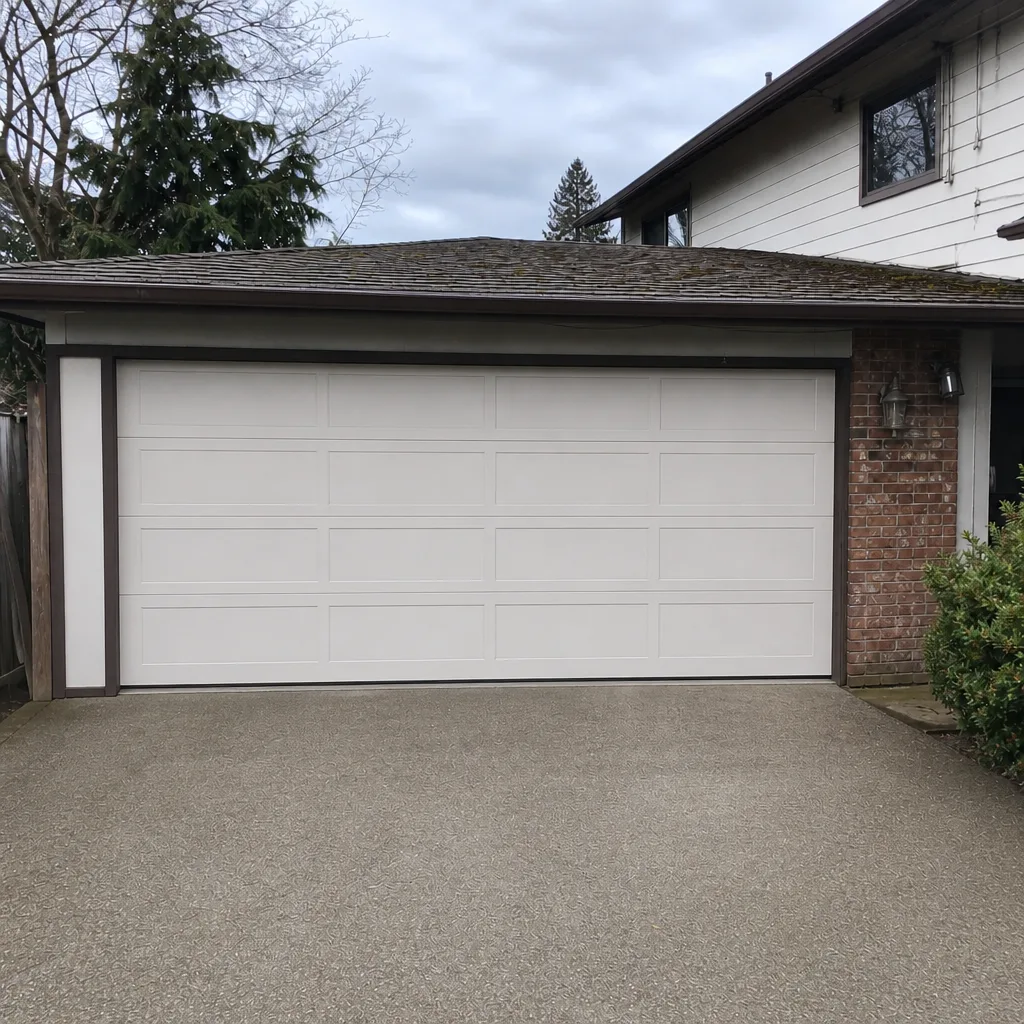
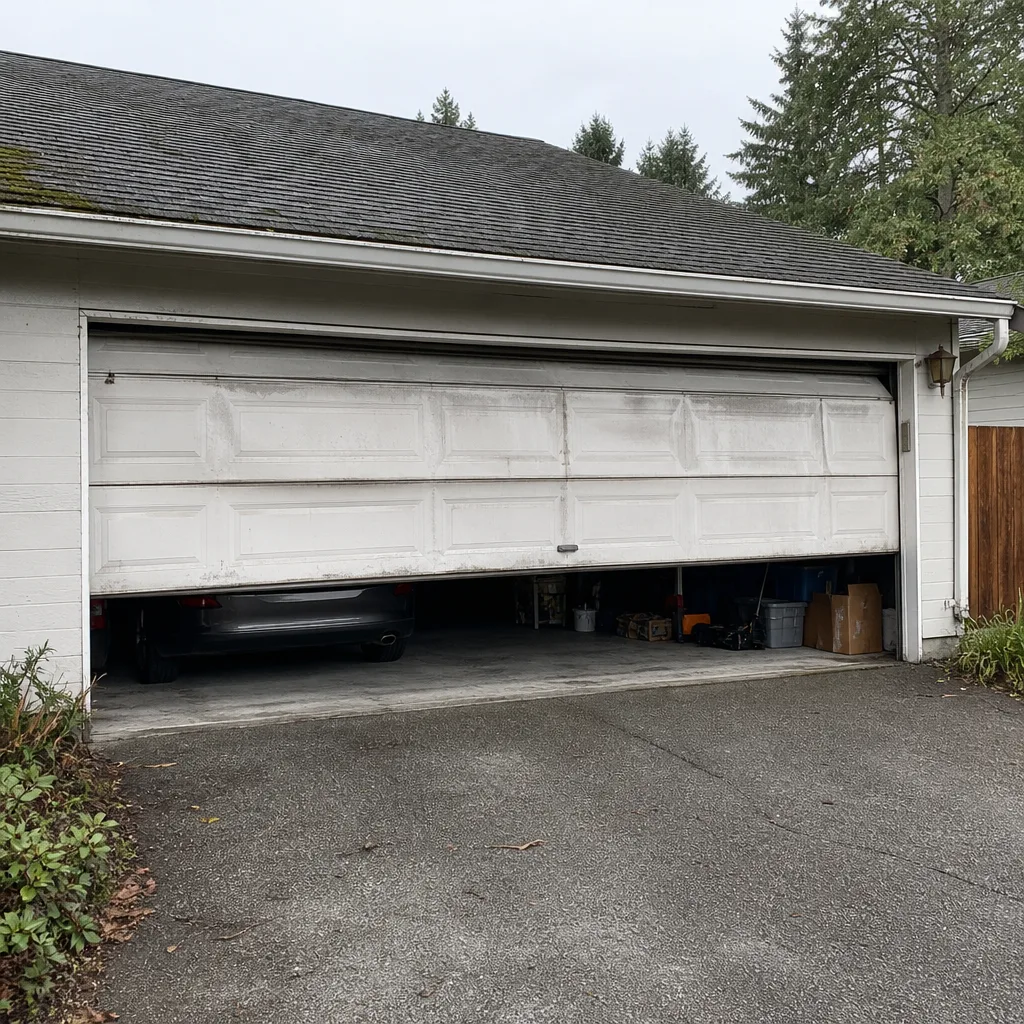
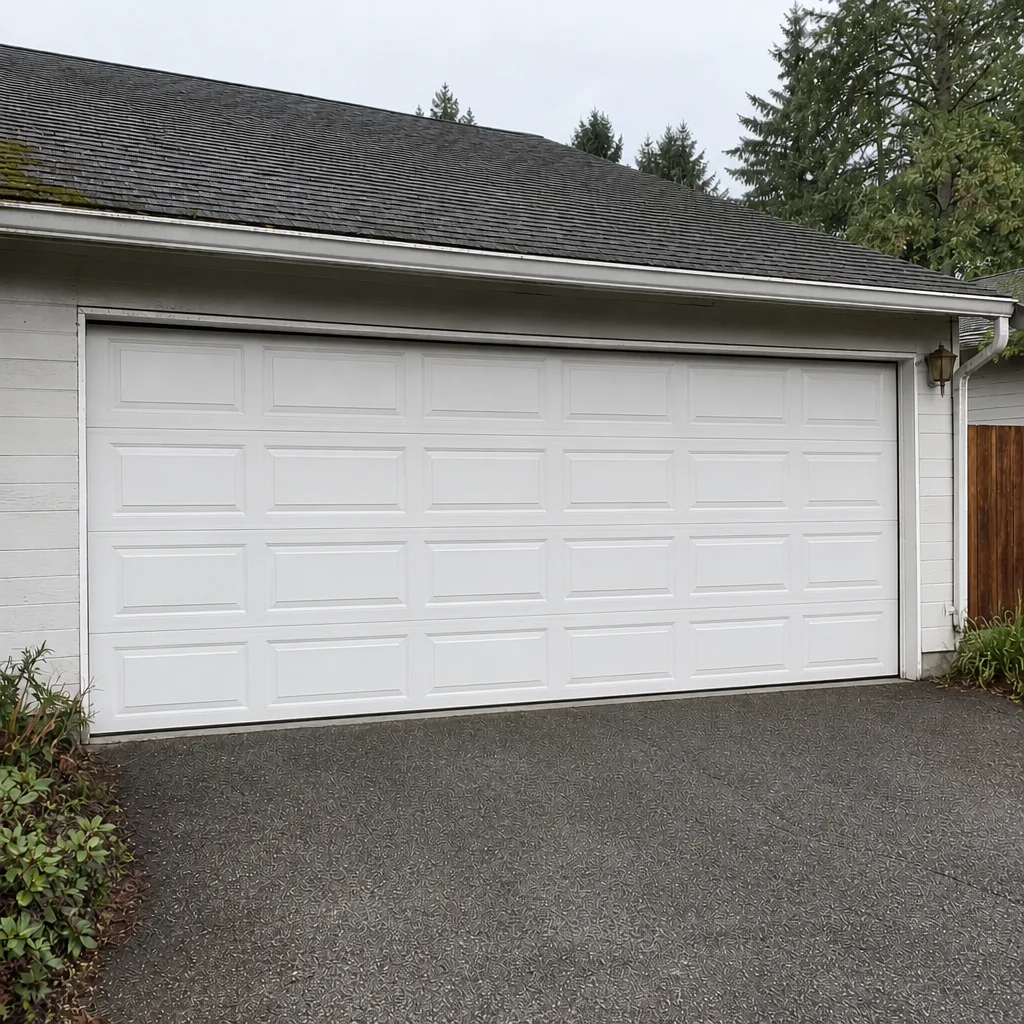
See the difference
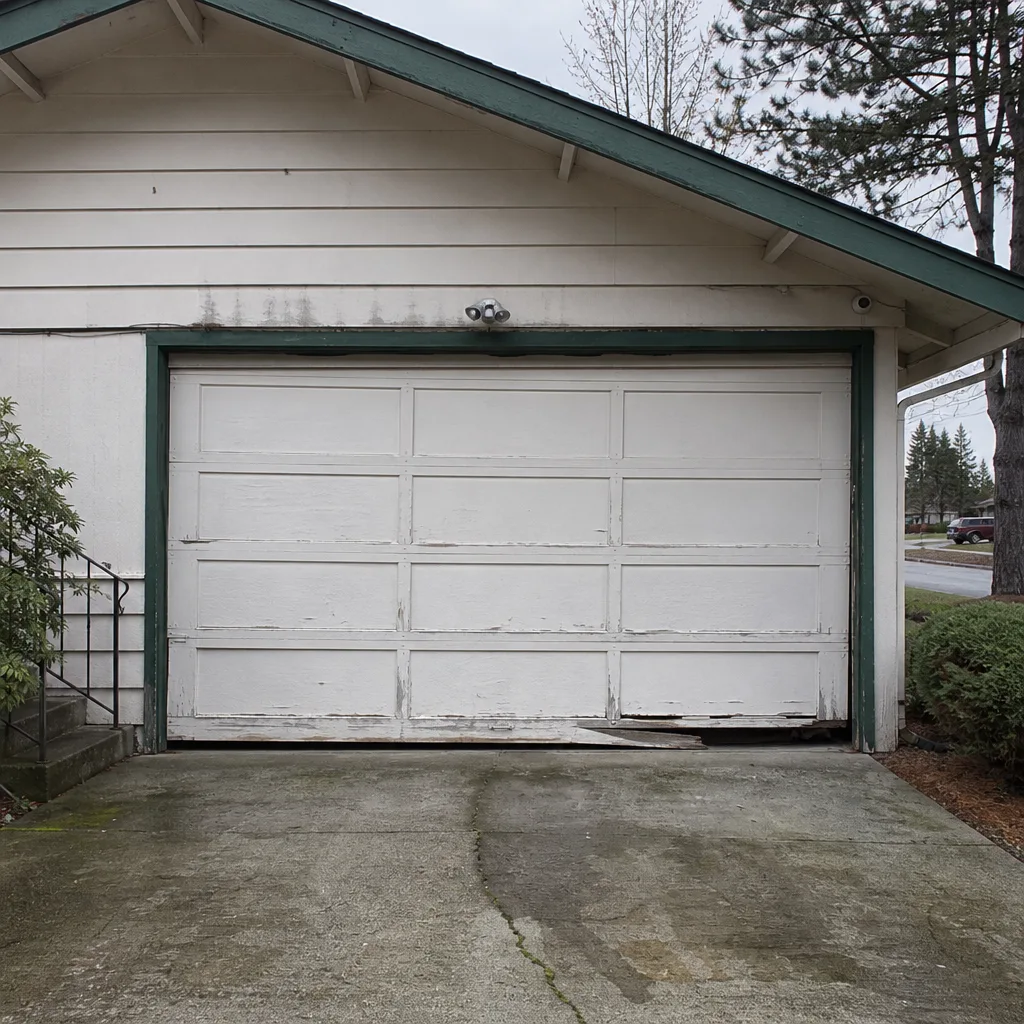 Before
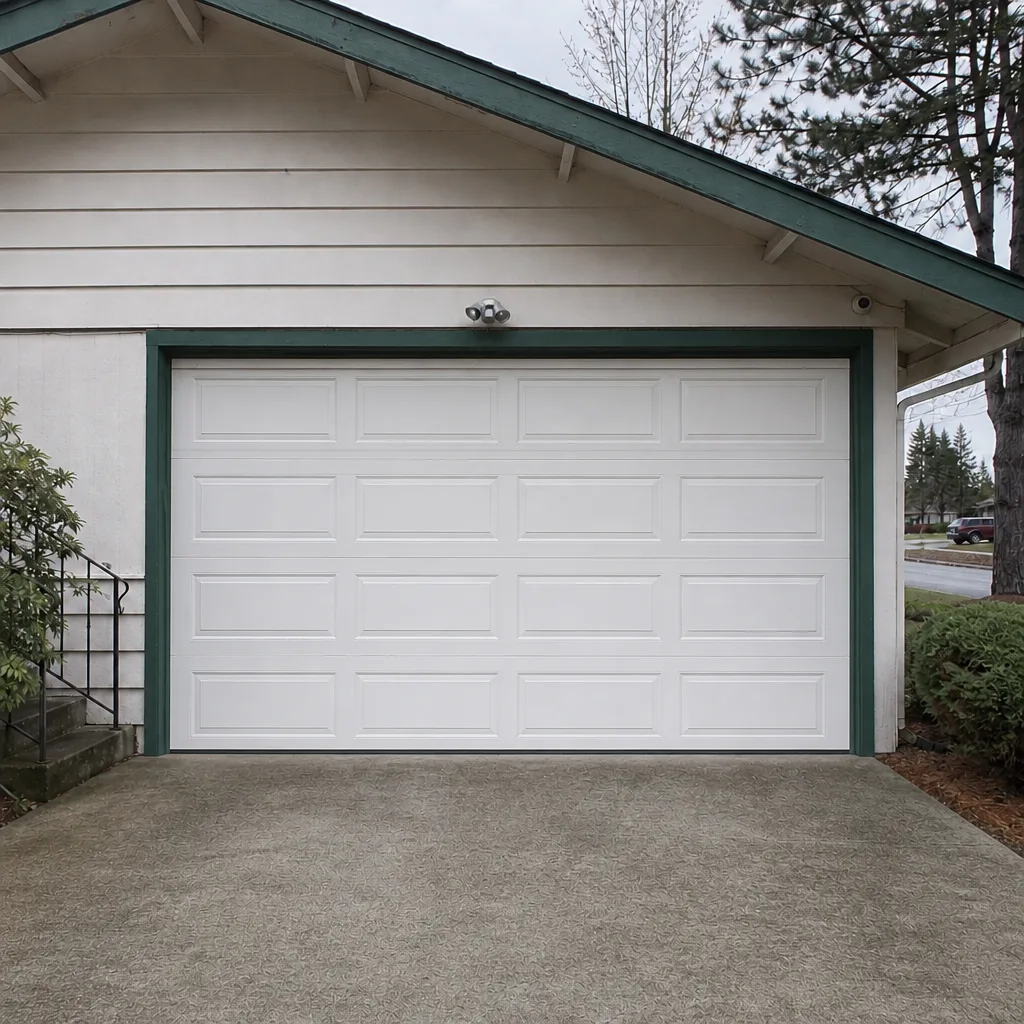 After
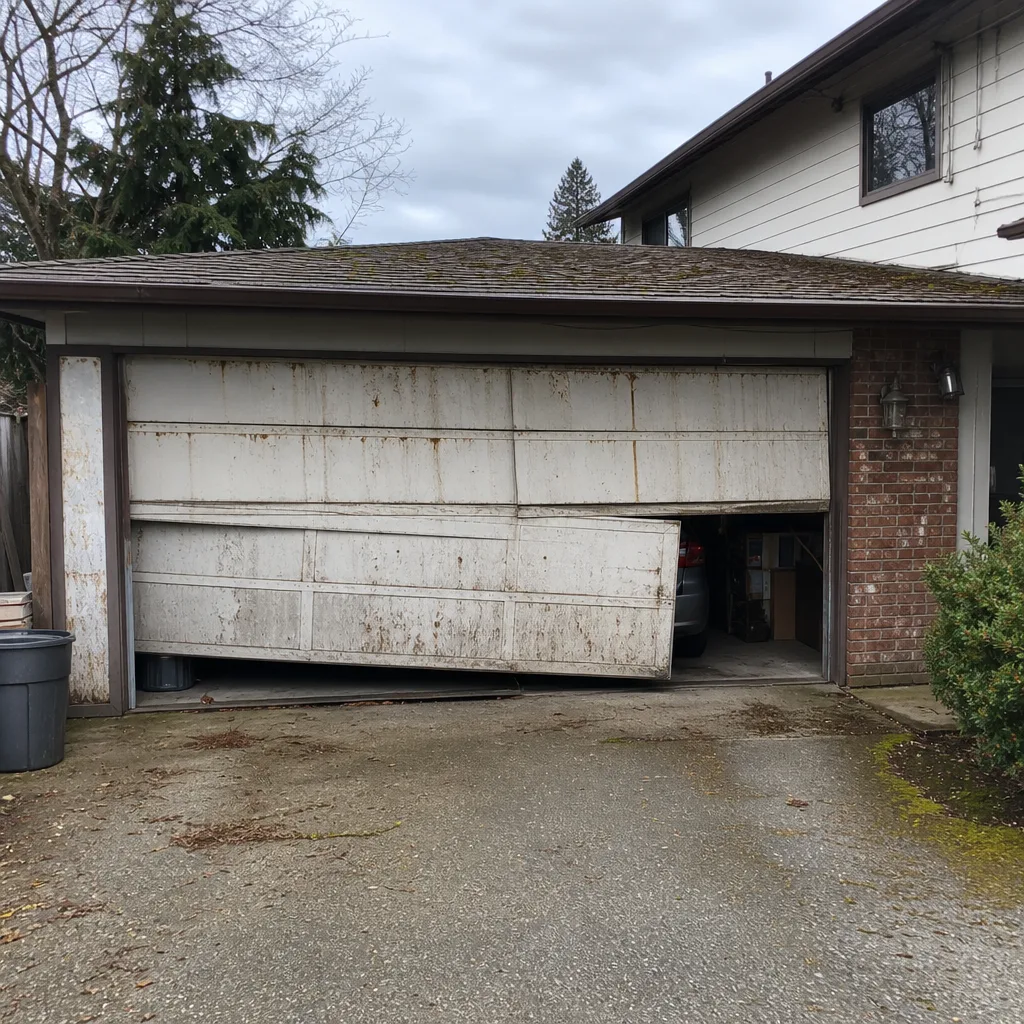 Before
 After
 Before
 After
When to Call a Professional
Some jobs belong to a trained technician, full stop. Call us when a spring is visibly broken or gapped, when the door feels heavy or unbalanced after the balance test, when a lift cable is frayed or kinked, or when the door comes off track. A door that reverses inconsistently, an opener that won’t hold its force setting, and a bottom panel that’s taking on water are all worth a visit. Call Kirkland Garage Door Repair Pros for a free estimate in Kirkland. Free estimates, upfront pricing, and the price is quoted and agreed before any work starts. Our technicians have up to 14 years of experience and work on the 8 most widely installed brands – LiftMaster, Chamberlain, Genie, Clopay, Amarr, Wayne Dalton, Craftsman, and Raynor. Call (855) 981-4153. We answer 24/7. Fast dispatch from 7am to 7pm, Sunday through Friday.
Frequently Asked Questions
A light monthly visual check, lubrication and a balance test in spring and fall, and a full professional inspection once a year. In Kirkland’s wet climate, aim your seal check at the fall so the door heads into the rainy season with a solid bottom seal.
Lubricating the moving parts correctly, twice a year. Use a garage door lubricant on springs and hinges, light oil on roller stems, and never WD-40 on springs or oil in the tracks. That one habit prevents a lot of wear, but it never replaces a professional inspection of the springs and cables.
Single spring replacement typically runs $180 – $340, and a matched pair is about twice that because both springs are usually replaced together. The written estimate sets the final price, quoted before any work starts. Call (855) 981-4153 for an exact quote – estimates are free.
For most repairs, yes. Spring failures, opener problems, off-track doors, and cable issues are same-day repairs once we’ve confirmed the cause. Call (855) 981-4153. We answer 24/7. Fast dispatch from 7am to 7pm, Sunday through Friday. A call outside dispatch hours is booked into the next opening, Sunday through Friday, 7am to 7pm.
No. The price is quoted and agreed before any work starts, and the written estimate sets the final price. What you agree to is what you pay. That’s true for repairs and for installation work alike.
Start with a repair assessment. Noise usually traces to worn rollers, dry hinges, or an off-track door, all of which are straightforward fixes. If the noise keeps coming back across multiple repairs in a year, weigh a replacement. Our team will tell you which path makes sense.
The Bottom Line
Garage door maintenance is a schedule, not a single task. Monthly checks catch obvious wear. Spring and fall inspections keep lubrication, balance, and seals on track. A full annual inspection catches the parts that fail quietly. In Kirkland, the fall seal check earns extra attention because wet winters are the toughest thing a garage door faces. And the two rules that matter most: use the right lubricant and never touch a spring. If a test turns up something you can’t fix safely, the (855) 981-4153 line is answered 24/7, and our free estimate tells you exactly what it costs before any work starts. Estimates are free – call (855) 981-4153 today.
Written by the team at Kirkland Garage Door Repair Pros.