
Last updated November 21, 2026
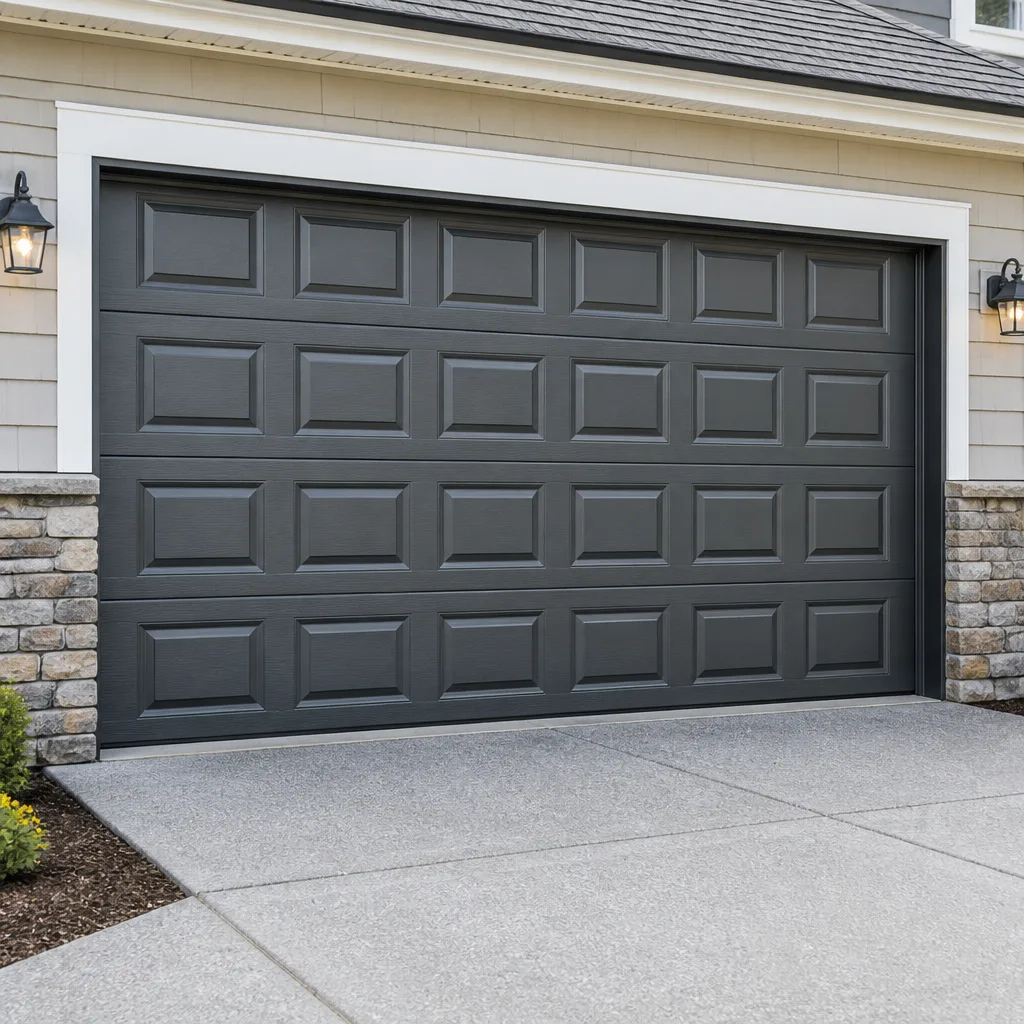 Raised-panel steel
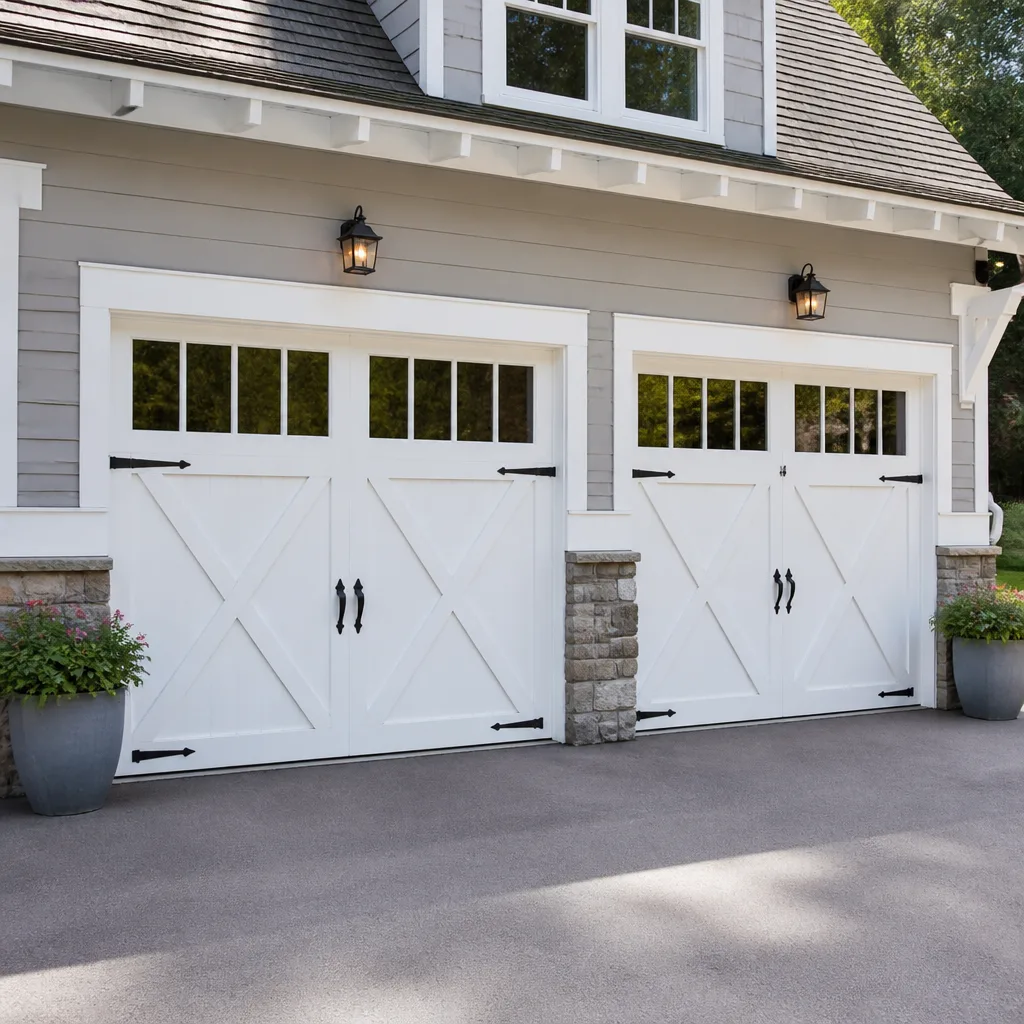 Carriage house
 Modern flush
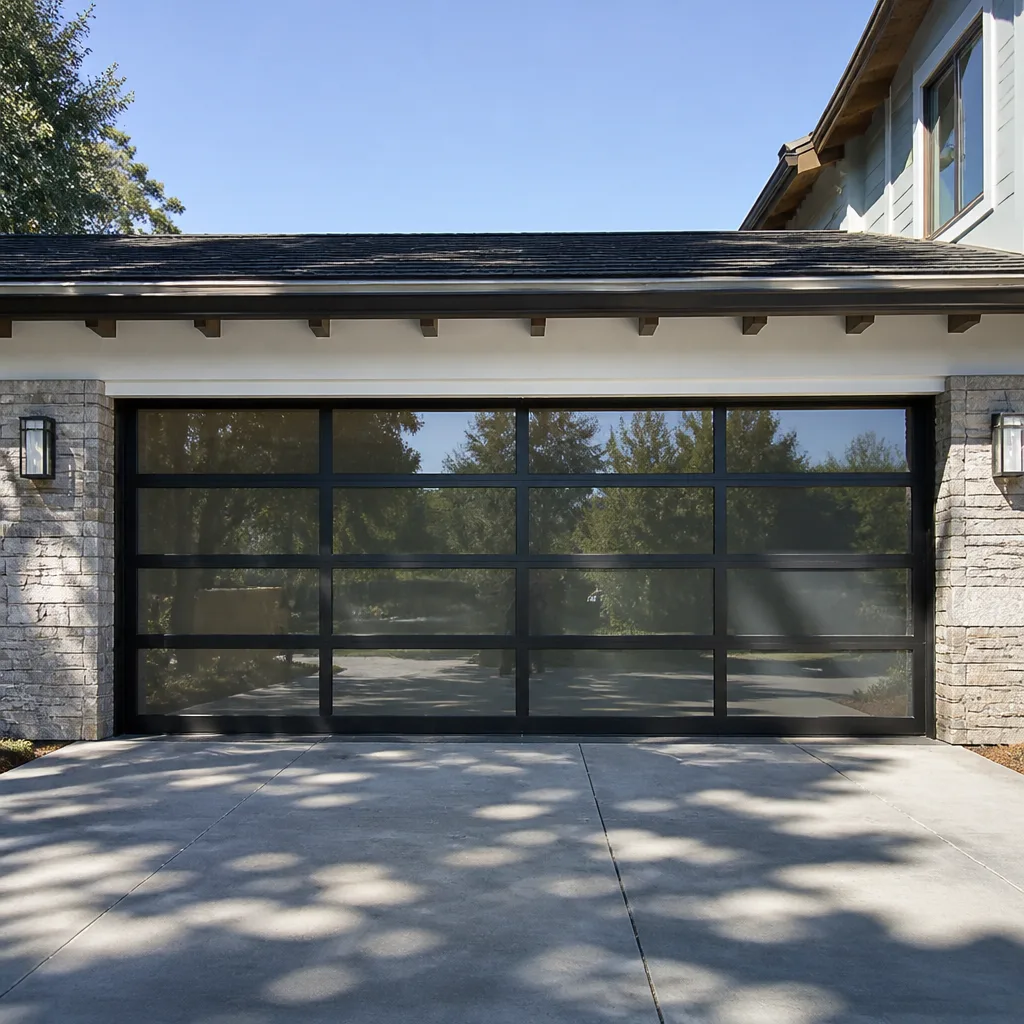 Full-view glass
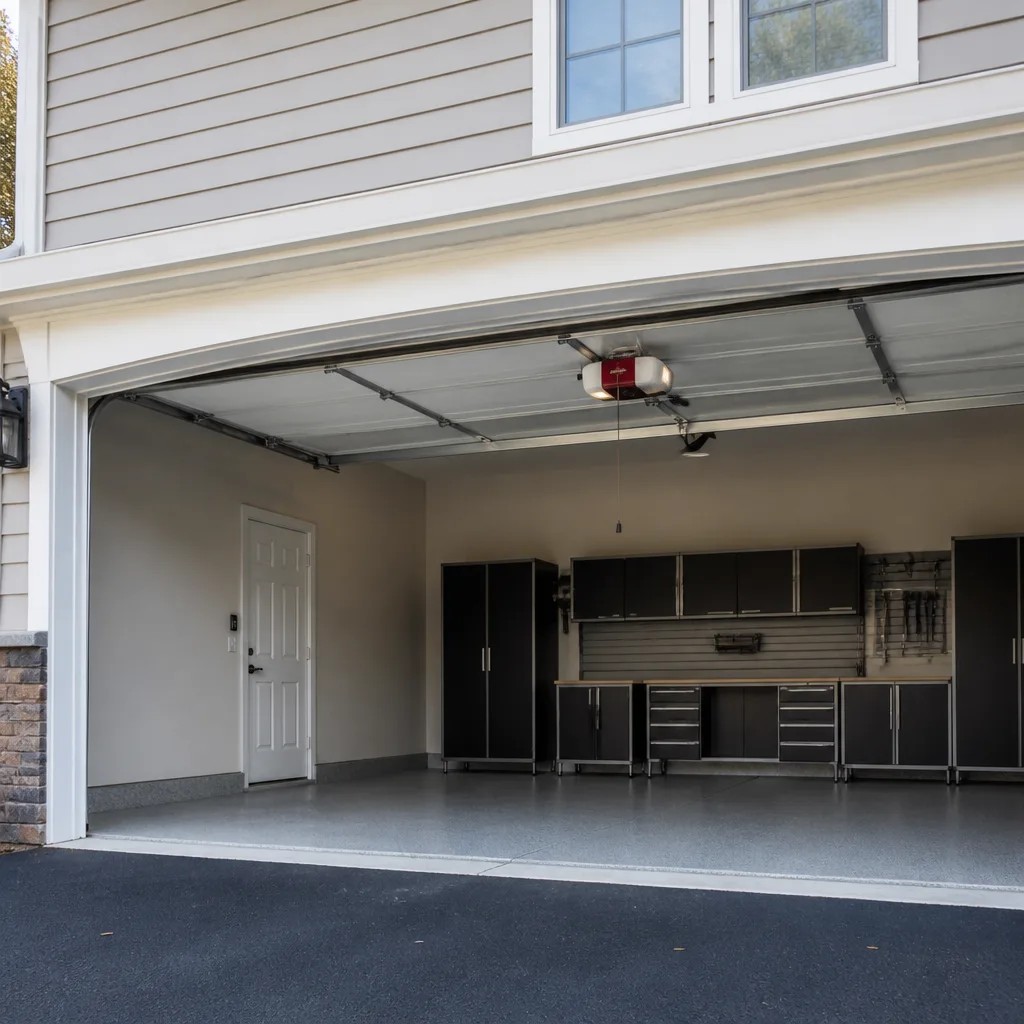 LiftMaster openers
 Chamberlain openers
Full 25-point door and opener safety check with every visit - springs, cables, rollers, tracks, and your LiftMaster or Chamberlain opener included
You get a price before we start. It does not change when the pro arrives.
Get your free estimateGarage Door Repair Troubleshooting in Kirkland: Common Problems and How to Fix Them
Most homeowners chase the symptom. The door hums and won’t move, so they assume the opener is dead. The door bounces back up, so they assume the sensor is dirty. The door drags, so they blame the track. In our experience, the symptom is rarely where the problem lives. A garage door is a mechanical system, and the opener is only one part of it. Before anyone touches a remote or a sensor, you need to know which system failed: the opener, the hardware, or the balance of the door itself. That single split saves most Kirkland homeowners a wasted service call. This guide walks through the diagnostic logic a technician uses, so you can tell the difference between a five-minute fix and a job that needs a professional.
Quick Answer
Garage door troubleshooting in Kirkland starts with one question: is the problem the opener or the door hardware? If the opener runs but the door doesn’t move, or moves unevenly, the hardware is the likely culprit. If the door moves fine when you pull the release cord, the opener is the problem. Most reversal issues trace back to sensor alignment, a warped bottom seal, or travel limit settings, while most noise and binding issues trace back to rollers, hinges, and spring balance. Springs and cables are never a DIY job.
Styles & brands we work with
- Raised-panel steel
- Carriage house
- Modern flush
- Full-view glass
- LiftMaster openers
- Chamberlain openers
Table of Contents
- Start With the System, Not the Symptom
- How Do You Tell Opener Problems From Hardware Problems?
- Why Does My Door Reverse Before It Closes?
- What Does Pacific Northwest Humidity Do to Your Door?
- Why Is My Door So Noisy?
- The Overlooked Role of Travel Limit Settings
- Which Fixes Are Safe to Do Yourself?
- The Symptom-to-Cause Decision Matrix
- Common Mistakes to Avoid
- When to Call a Professional
- Frequently Asked Questions
Start With the System, Not the Symptom
A garage door has three subsystems that fail independently: the opener and its controls, the door hardware (rollers, hinges, tracks, cables, springs), and the balance of the door itself. When a door acts up, the symptom usually points to one system, but the cause often lives in another. That mismatch is why homeowners misdiagnose so many problems in Kirkland.
Here’s how the logic works. Your opener’s job is simple: lift the door and lower it. Your door’s job is to stay balanced. A properly balanced door needs roughly the same effort to lift as it does to lower. When that balance is off, the opener has to work harder than it should, and the symptoms start showing up in the wrong place.
A door that’s out of balance might trigger your opener’s safety reversal, even though the sensor is clean and aligned. A door with a failing spring might hum and strain, making you think the motor is shot. A bent track might send the door off-course and jam the opener’s trolley, so you replace the opener and the problem comes right back.
That’s why we start every diagnosis the same way. Before we test a single opener function, we test the door itself:
- Pull the manual release cord to disconnect the opener.
- Lift the door by hand to about halfway.
- Let go.
A balanced door holds position, or drifts only slightly. A door that slams down or rockets up has a balance problem, and that problem lives in the springs, cables, or hardware, not in the opener. Fixed balance issues resolve a surprising share of “my opener is dying” calls around Kirkland.
How Do You Tell Opener Problems From Hardware Problems?
Once you’ve disconnected the opener and tested the door by hand, you’ve split the diagnosis in two. If the door moves smoothly and stays balanced on its own, the opener is the problem. If the door binds, drags, or won’t lift by hand, the hardware is the problem.
An opener problem looks like this:
- The door lifts hard but the motor runs normally.
- The door works by hand but the opener won’t start or sounds strained.
- The remote or wall switch doesn’t respond, but the safety reversal still works.
- The opener runs but the trolley doesn’t move the door.
- The door reverses mid-travel and the motor sounds fine.
A hardware problem looks like this:
- The door binds or scrapes on the track.
- The door pulls to one side as it rises.
- The door falls too fast when you release it by hand.
- The cables are loose, frayed, or off their drums.
- The door shudders but the opener runs smoothly.
Most opener issues on LiftMaster, Chamberlain, and Craftsman units are control problems: remotes, wall switches, safety sensors, limit switches, or logic boards. These are straightforward for a specialist who works on those brands daily. Hardware issues are almost always balance, wear, or impact damage, and they need a garage door specialist rather than an opener specialist.
The mistake we see most often in Kirkland is replacing the opener when the door was the problem all along. A hard-working opener on an unbalanced door will burn out or strip a gear eventually, and then the new opener fails too. Diagnose the door first, then the opener. If you’re already sure it’s a control problem, our garage door opener repair team can usually narrow it down in one visit.
Why Does My Door Reverse Before It Closes?
A door that reverses before closing is not “broken.” It’s reporting one of four specific conditions, and each one has a different fix. In our experience, this is the single most misdiagnosed problem in Kirkland garages.
Condition 1: Safety sensor misalignment or obstruction. The most common cause. The two photo-eye sensors at the bottom of the tracks need to face each other. A bumped track, a stray leaf, or a spider web in the lens can break the beam. Clean the lenses and check that the indicator lights on both sensors are steady. If one flashes or stays dark, that’s your problem.
Condition 2: A warped or swollen bottom seal. Pacific Northwest humidity gets into the bottom seal and swells it, especially where the door sits close to the concrete. A swollen seal triggers the door’s contact reversal when it meets the floor, even without a real obstruction. This is very common in Kirkland after a wet stretch of weather.
Condition 3: Travel limit settings. If the opener’s close limit is set too high, the door “closes” before it actually reaches the floor and the logic board reads that as an obstruction. This is a setup issue, not a hardware failure. See the travel limit section below.
Condition 4: Force sensitivity set too low. Openers sense resistance. If the force setting is too gentle, a slightly stiff door triggers a reversal. On a Raynor or Wayne Dalton system this can happen after months of dry weather followed by damp conditions that stiffen the rollers.
The good news: three of the four are sensor or setting issues, not structural failures. If you’ve cleaned the sensors and checked the seal and the door still reverses, the setting is where we look next.
What Does Pacific Northwest Humidity Do to Your Door?
Kirkland’s climate is hard on garage doors in ways that don’t show up in sunny-climate repair guides. The wet season puts months of moisture against the door, the tracks, and the floor seal, and the dry summer dries everything back out. That cycle causes predictable wear.
Here’s what we see in Kirkland doors:
- Swollen bottom seals. The rubber or vinyl seal soaks up moisture and swells, causing false reversals and gaps at the floor.
- Stiff rollers. Steel rollers rust and nylon rollers stiffen when they sit in damp air. The door gets noisy and harder to lift.
- Warped panels. Wood and composite doors absorb moisture unevenly, especially on south-facing doors that get more sun and dry out faster than the shadowed side.
- Seized hinges. Hinge pins that sit in damp air without lubrication rust and bind, which puts extra load on the opener.
- Loose track fasteners. Wood framing behind the tracks expands and contracts with the seasons, and the lag screws loosen over time.
None of these are emergencies on their own, but together they’re the reason a door in Kirkland gets louder and slower over a few seasons. The fix is usually not a new door. It’s lubrication, seal replacement, roller replacement, and a balance check. That’s where we start before anyone talks about replacement.
If you have a LiftMaster or Genie opener paired with a door that has stiffened up, don’t assume the opener is on its way out. Diagnose the door hardware first. Our garage door repair team handles seals, rollers, hinges, and tracks as part of routine service.
Why Is My Door So Noisy?
Noise is almost always a wear problem, not a failure. A garage door that’s louder than it used to be is telling you a moving part has lost its lubrication or its shape. The good news: most noise issues are the safest, cheapest category of repair there is.
Work through the noise sources in this order:
- Rollers. Steel rollers are the loudest. Nylon rollers run quieter and are the usual upgrade on a noisy door.
- Hinges. Every hinge is a pivot point. Rusted or dry hinges squeal on every cycle.
- Springs. A stretched or worn torsion spring can groan under load. Spring noise is not something to lubricate and ignore.
- Opener drive. Chain-drive openers are loud by design. Belt-drive openers are quieter. If the opener itself is rattling, the problem is the unit, not the door.
- Loose hardware. Loose bolts and hinges vibrate with every cycle and add to the noise.
Lubricating the rollers, hinges, and tracks with a garage-door-specific lubricant is safe and effective. A silicone or lithium-based lubricant is the right choice. Never use grease on the tracks themselves, because it collects grit and accelerates wear. We do not recommend lubricating the springs as a DIY project. Springs are under high tension, and a slip can cause serious injury. That’s a job for a trained technician.
If the door is quiet but the opener rattles, the problem may be the opener’s drive belt or chain tension. That’s a common adjustment on Chamberlain and Craftsman units.
The Overlooked Role of Travel Limit Settings
Travel limits are the most common misdiagnosis in garage door troubleshooting, and they’re the first thing we check when a door acts like it’s hitting an obstruction when there isn’t one. The travel limit settings tell the opener how far to move the door up and down. If the close limit is set too high, the opener stops before the door reaches the floor and the safety system reads that gap as an obstruction. The door reverses. The homeowner replaces the sensor, the seal, the rollers, and the opener, and the door still reverses.
Here’s the diagnostic logic:
- The door reverses at the same point every time, a few inches above the floor.
- There is no visible obstruction in the safety sensor beam.
- The bottom seal is clean and not swollen.
- The door doesn’t have a hard bounce when it reaches the floor.
That pattern points straight to the close limit setting. On a LiftMaster or Chamberlain opener, the limit switches are adjusted with the control panel on the motor head. On a Genie, the limit switches are mechanical and need a small adjustment screwdriver. On a Raynor opener, the limit settings are usually in the programming menu.
The adjustment is simple for someone who knows the unit, but it’s easy to overshoot. Set the close limit too low and the door hits the floor hard and strains the opener. Set it too high and the door never seals. That’s why we recommend having a specialist set the limits and verify them with the door in motion, not just by looking at the gap.
Which Fixes Are Safe to Do Yourself?
Some garage door troubleshooting is within reach for a careful homeowner. Some is not, at any skill level. The line is bright, and it’s worth knowing it before you grab a toolbox.
Safe to do yourself:
- Cleaning the safety sensor lenses and checking for obstructions.
- Aligning a safety sensor that’s been bumped out of position.
- Lubricating rollers, hinges, and tracks with the right lubricant.
- Replacing a remote battery and re-syncing a remote.
- Tightening a loose track bracket bolt, without moving the track itself.
- Replacing a bottom seal on a door where the seal is clearly accessible and not trapping the door.
Never a DIY job:
- Spring replacement or adjustment. A torsion spring under load can cause serious injury in an instant.
- Cable restringing or drum rework. The cable is the part that holds the spring’s tension against the door.
- Track replacement or realignment. A misaligned track can send the door off its rollers under tension.
- Opener replacement or rewiring.
- Any repair after a collision with a vehicle.
We’ve seen enough close calls to say this plainly: if the repair involves the spring, the cable, or the opener’s wiring, stop and call a technician. That’s not caution for its own sake. It’s the difference between a service call and an emergency room visit. Our garage door spring repair technicians handle springs and cables every week and know exactly where the risk lives.
The Symptom-to-Cause Decision Matrix
Here’s the diagnostic table we keep in our heads on every service call. Use it to sort your problem before you call, and you’ll know whether to grab a lubricant or a phone.
| Symptom | Most Likely Cause | DIY or Pro | Typical Estimated Cost |
|---|---|---|---|
| Door reverses before closing | Sensor misalignment, swollen bottom seal, or travel limit setting | Sensor cleaning is DIY; limits and seals are pro | $150-$300 for a sensor or limit adjustment |
| Door hums but doesn’t move | Balance issue, binding rollers, or opener gear failure | Pro | $180-$350 for a balance or hardware check |
| Door is noisy on every cycle | Dry rollers, stiff hinges, or chain-drive opener | Lubrication is DIY; roller replacement is pro | $150-$350 for a roller or hinge replacement |
| Door pulls to one side | Failing spring, loose track, or worn cable | Pro | $200-$500 for a spring or track repair |
| One spring broken | Spring failure | Pro | $180-$340 for one spring; a matched pair is about twice that |
| Remote or wall switch doesn’t respond | Battery, remote, logic board, or wiring | Battery and sync are DIY; control work is pro | $120-$320 for opener control repair |
| Door won’t close at all | Safety sensor obstruction or opener logic fault | Sensor check is DIY; logic fault is pro | $150-$300 for sensor or opener repair |
| Door will not open by any control | Opener failure or safety reversal | Pro | $150-$350 for opener repair |
These ranges are typical estimates for work in the Kirkland market, based on the kind of repair involved. The written estimate sets the final price, and we quote and agree on that number before any work starts.
Common Mistakes to Avoid
- Replacing the opener before checking the door’s balance. A new opener on an unbalanced door will fail the same way the old one did. Test the door by hand first.
- Lubricating the tracks with grease. Grease collects grit in Kirkland’s damp air and turns the track into a grinding paste. Use a proper garage door lubricant on the rollers and hinges only.
- Adjusting the travel limits too far. A close limit set too low slams the door against the floor and strains every component in the opener. Set the limits with the door in motion, not by eyeballing the gap.
- Ignoring a warped bottom seal. A swollen seal from seasonal humidity causes false reversals on a door that otherwise works fine. It’s an easy fix and an easy thing to overlook.
- Touching the springs or cables. This is the mistake with the worst consequences. Springs and cables are under high tension, and a slip can cause serious injury. Leave them to a trained technician.
- Assuming a noisy door needs replacement. Most noise is a roller or hinge issue. Replacement is the last option, not the first.
- Forgetting the opener’s manual release. If the door won’t open, pulling the release cord disconnects the opener and lets you open the door by hand. If the door still won’t move, that confirms a hardware problem, not an opener one.
When to Call a Professional
Call a professional when the repair touches springs, cables, tracks, or the opener’s wiring. Call right away if the door is stuck open and your home is exposed, if the door has come off its tracks, or if a spring has visibly snapped. These are the cases where an emergency call is the right move: a broken door can trap a car or leave a home unsecured, and that’s exactly the situation our emergency service exists for. We answer 24/7 and send a technician with fast dispatch, 7am-7pm, Sunday through Friday. We’re closed on Saturdays. If you call outside dispatch hours, we book you into the next opening.
Kirkland Garage Door Repair Pros offers free estimates in Kirkland. Call (855) 981-4153 and we’ll tell you what’s wrong, what it takes to fix it, and what it costs before anyone starts. Estimates are free, and the price is quoted and agreed before any work starts.
Frequently Asked Questions
Most garage door repairs in Kirkland run $150 to $350 for sensor, limit, roller, or hinge work. Spring replacement is typically $180 to $340 for one spring, and a matched pair is usually replaced together at about twice that. Track or cable repairs can run higher depending on the damage. The written estimate sets the final price, and we quote it before any work starts. Call (855) 981-4153 for an exact quote; estimates are free.
Yes, we handle same-day repair for many garage door problems in Kirkland. We answer 24/7, and we send technicians with fast dispatch, 7am-7pm, Sunday through Friday. If you call outside dispatch hours, we book you into the next opening. Call (855) 981-4153 and we’ll get you on the schedule. Estimates are free.
It reverses because the opener is reading an obstruction, and the cause is usually one of four things: a misaligned safety sensor, a swollen bottom seal, a travel limit set too high, or a force setting too low. Check the sensor lenses for dirt or a bumped track first. If that doesn’t fix it, the limit or force setting is the next place to look. Call (855) 981-4153 if you want it diagnosed properly; estimates are free.
No. The written estimate sets the price, and we quote and agree on that number before any work starts. If we find something the estimate didn’t cover, we tell you and get your approval before doing the extra work. There’s no invoice surprise at the end. Call (855) 981-4153 to set up a free estimate.
The technicians we connect you with are licensed and insured as the state of Washington requires for the work they perform. We work only with trained garage door specialists, and our technicians have up to 14 years of experience. We’re familiar with LiftMaster, Chamberlain, Genie, Clopay, Amarr, Wayne Dalton, Craftsman, and Raynor equipment. Call (855) 981-4153 with questions; estimates are free.
Repair first, in most cases. A noisy or slow door usually needs rollers, hinges, a seal, or a spring, not a new door. Replacement makes sense when the panels are structurally damaged, the door is out of balance in a way that can’t be corrected, or you’re upgrading for other reasons. We’ll give you an honest read on which way to go. Call (855) 981-4153 for a free estimate.
The Bottom Line
The key to garage door troubleshooting is diagnosing the system, not the symptom. Separate the opener from the hardware, test the door’s balance by hand, and you’ve already sorted most problems into the right bucket. Sensors, seals, and travel limits explain most reversals. Rollers, hinges, and springs explain most noise and binding. Springs and cables stay in professional hands, always. When the problem is more than a lubricant and a sensor wipe, a specialist saves you time and prevents a bigger repair. Our technicians have up to 14 years of experience with LiftMaster, Chamberlain, Genie, Clopay, Amarr, Wayne Dalton, Craftsman, and Raynor systems, and we work on virtually any setup a Kirkland homeowner already has.
Call (855) 981-4153 for a free estimate. We answer 24/7, with fast dispatch from 7am to 7pm, Sunday through Friday. The written estimate sets the price, and we agree on it before any work starts. Garage doors are all we do, and we can have you back in service today or help you plan a full replacement when that’s the better call.
Written by the team at Kirkland Garage Door Repair Pros.
See the difference
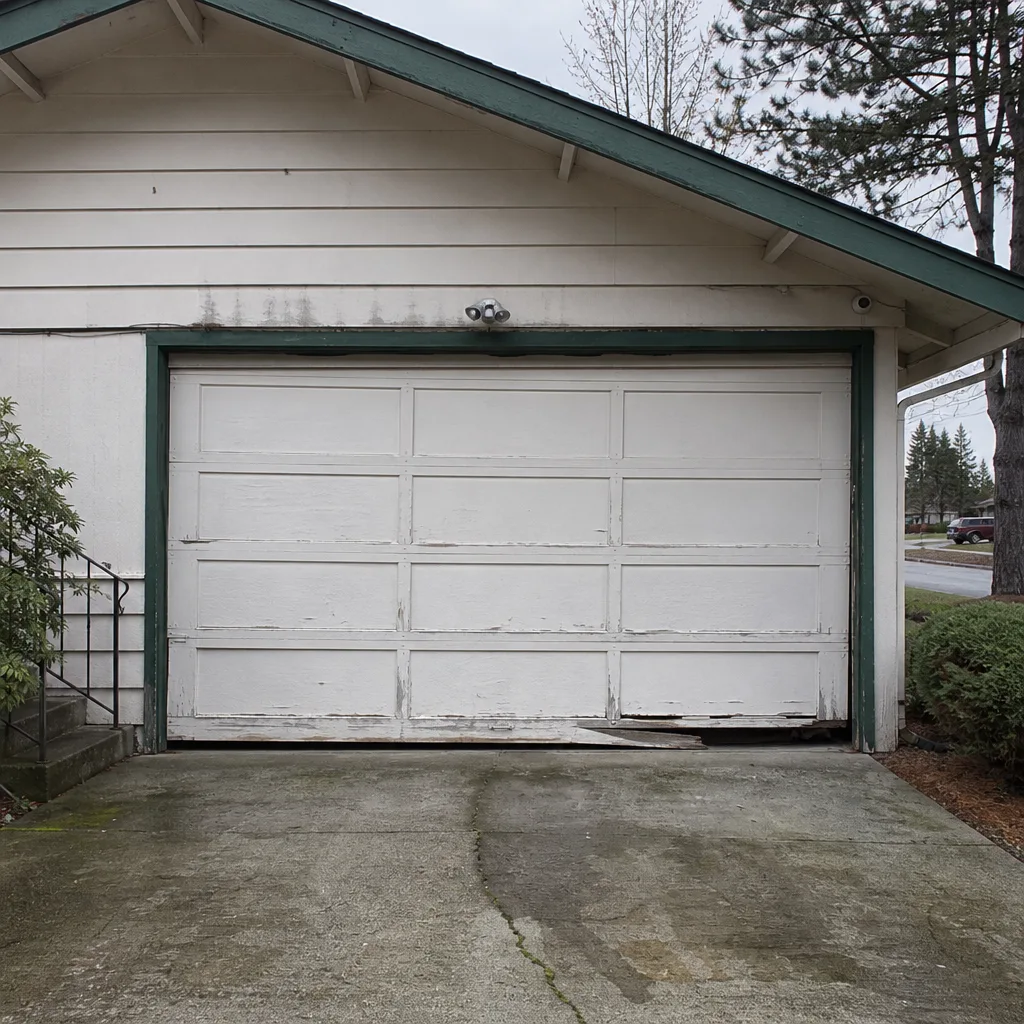 Before
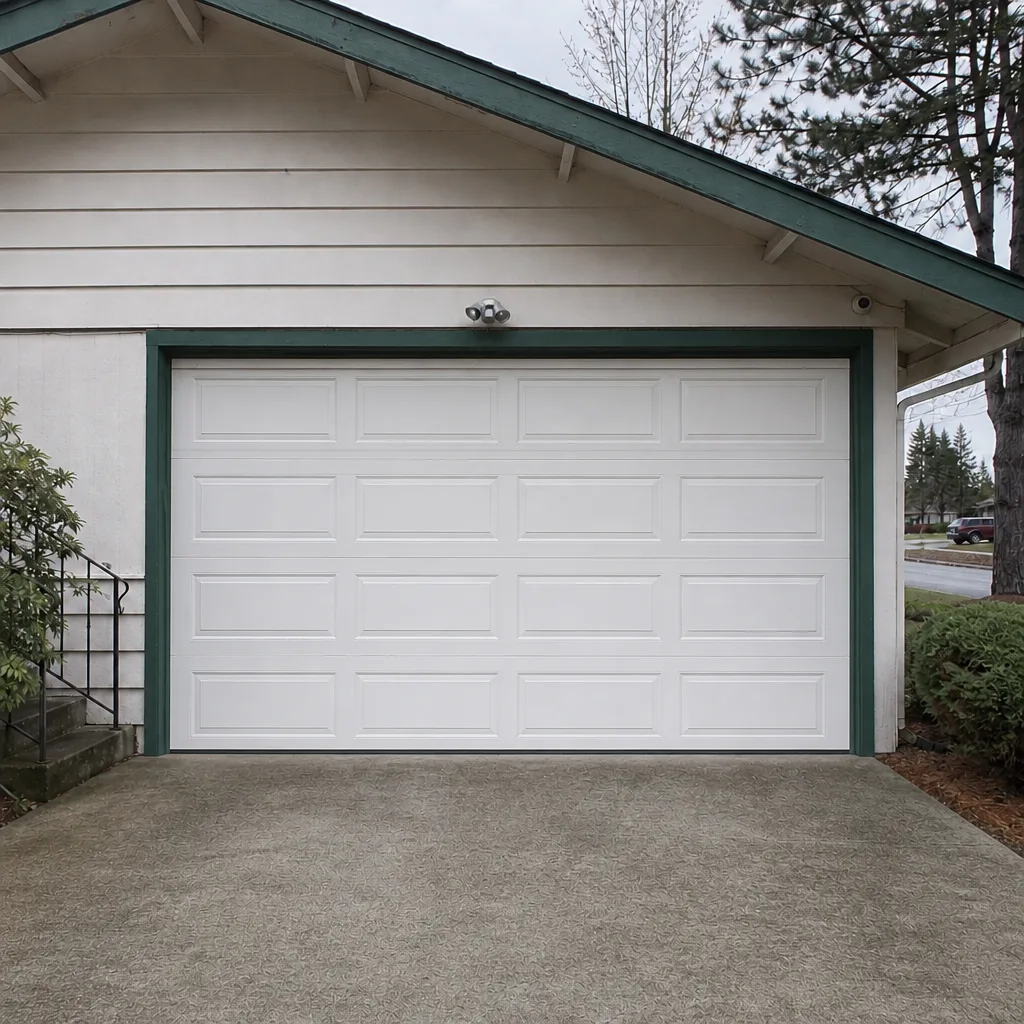 After
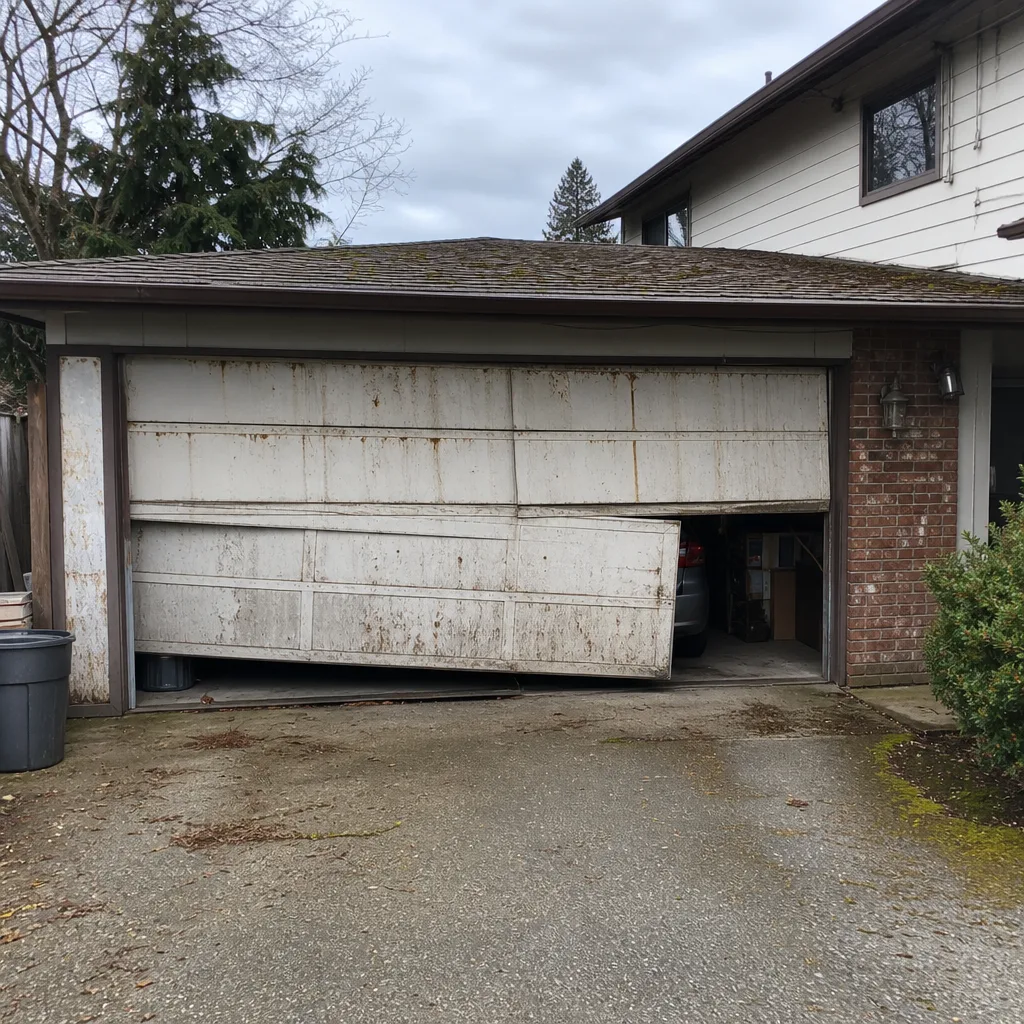 Before
 After
 Before
 After