
Last updated November 21, 2026
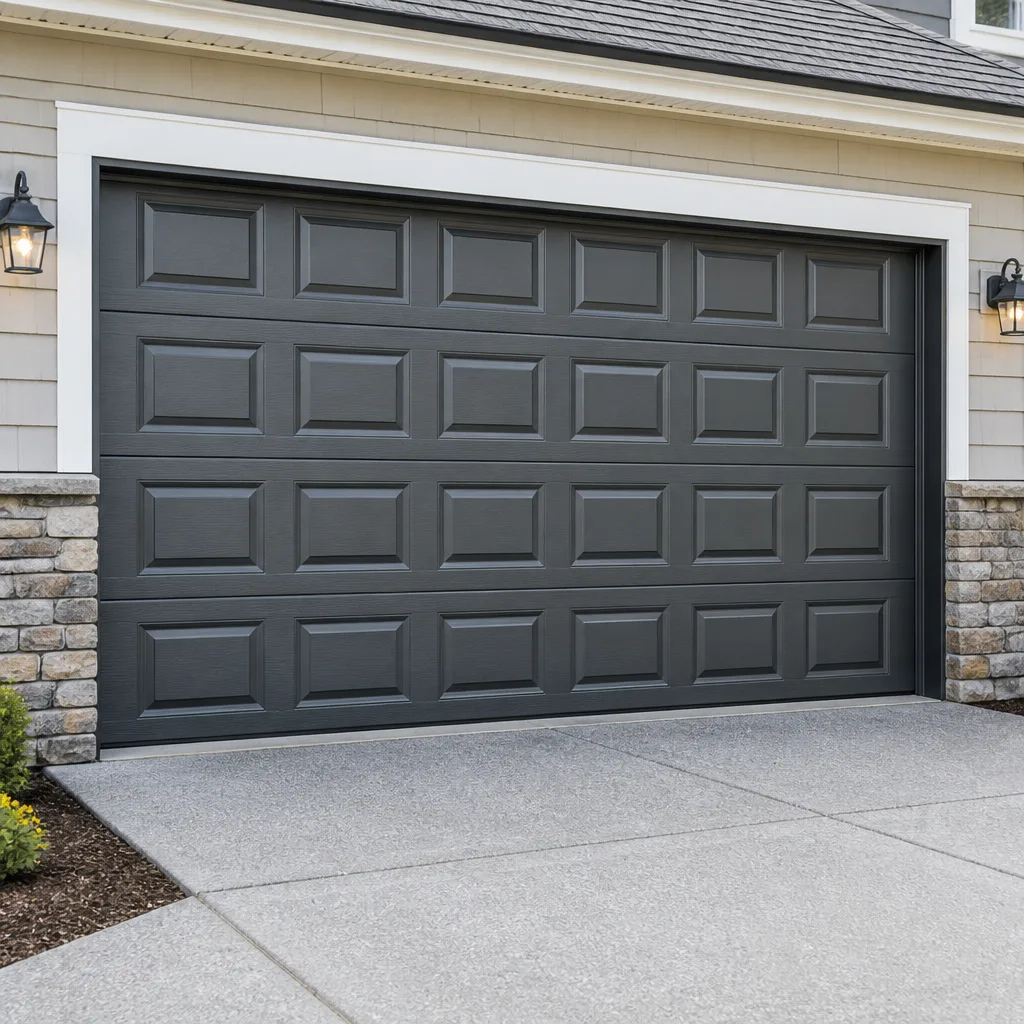 Raised-panel steel
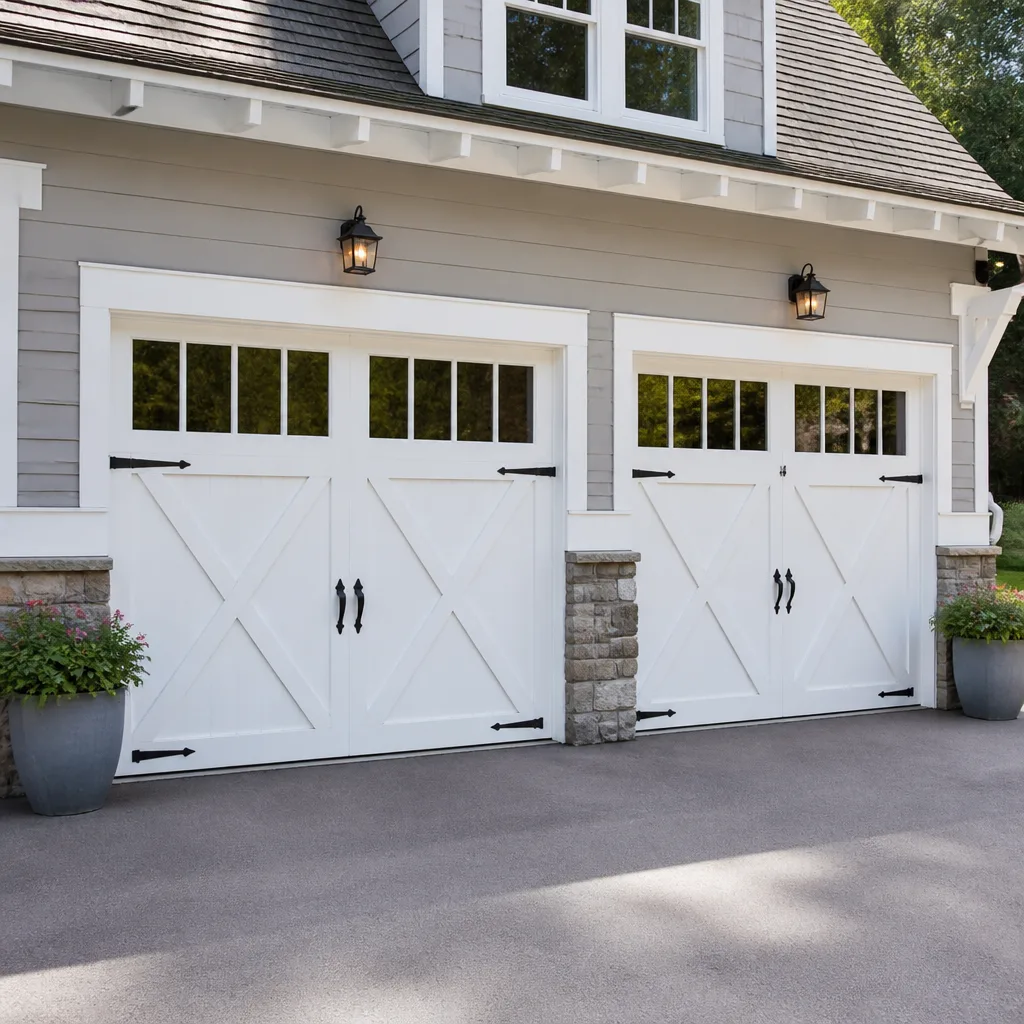 Carriage house
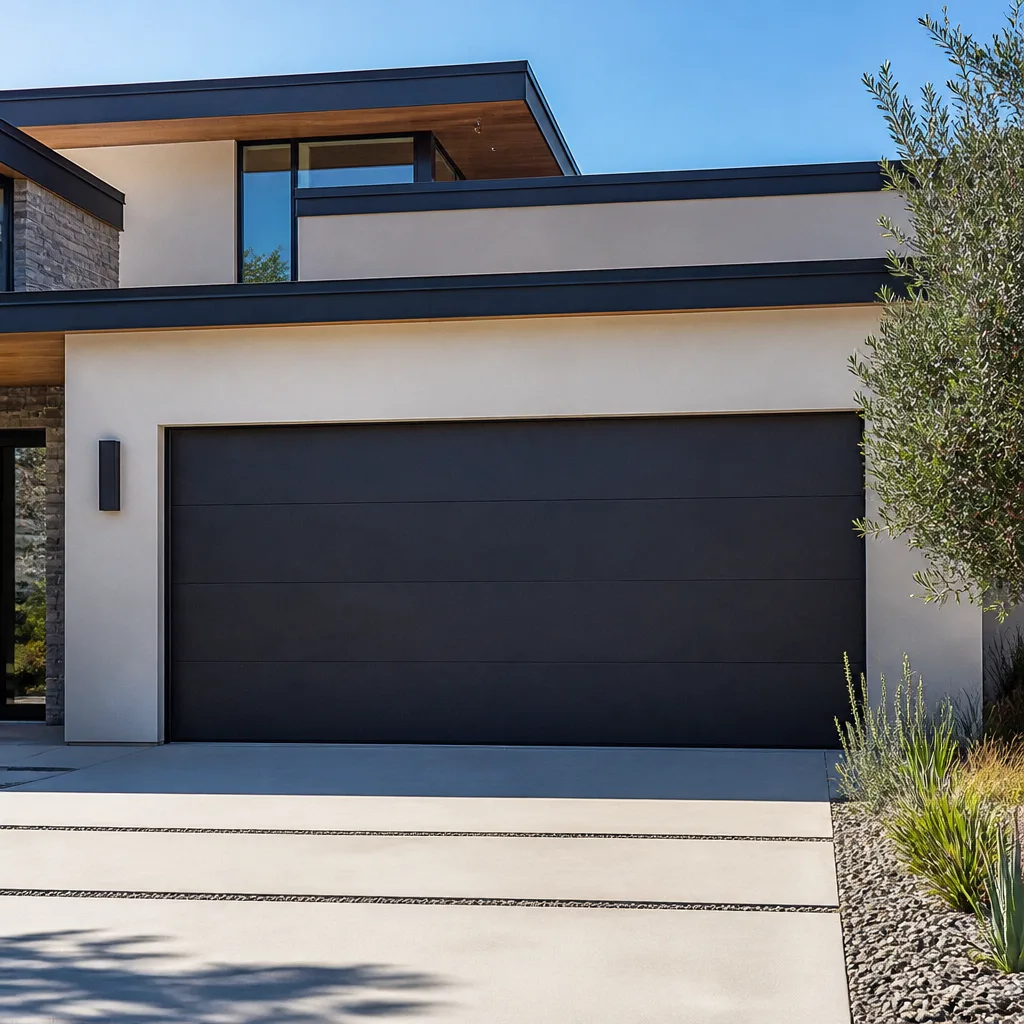 Modern flush
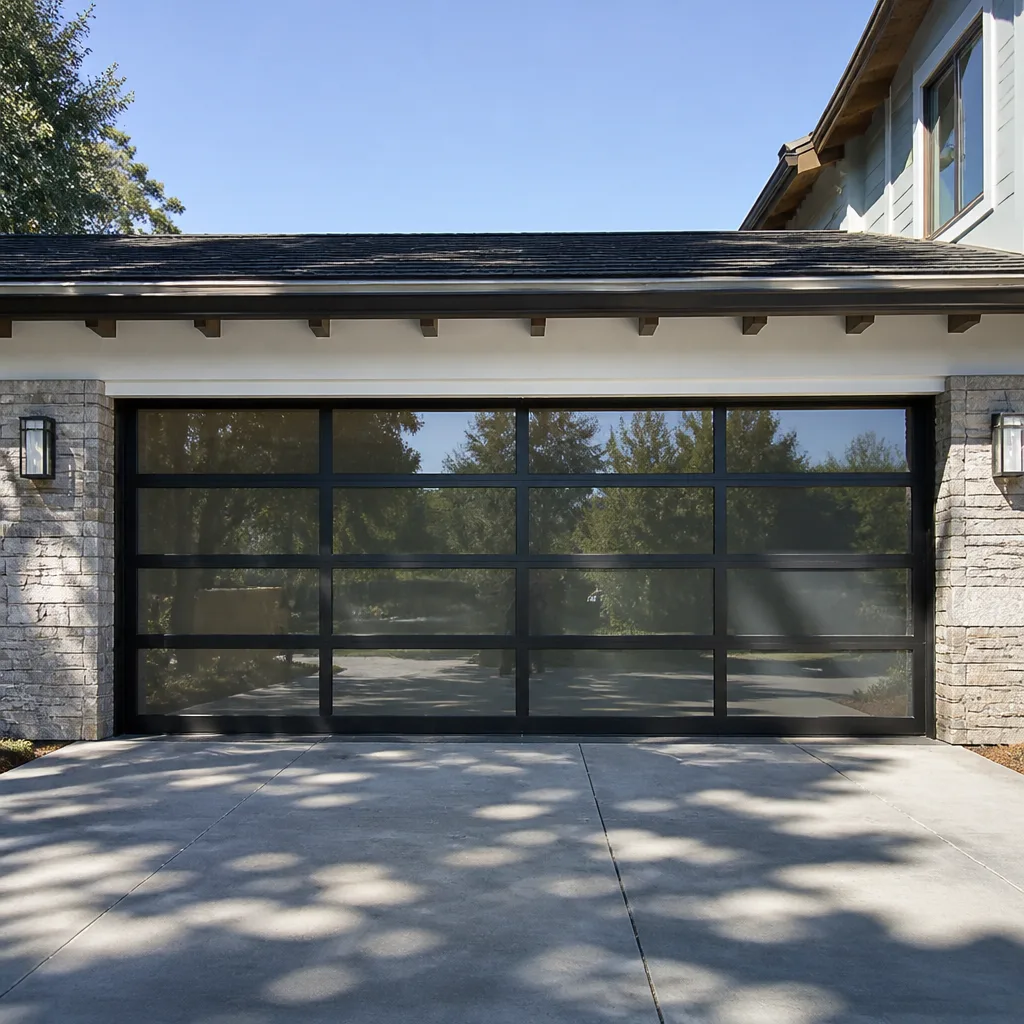 Full-view glass
 LiftMaster openers
 Chamberlain openers
Full 25-point door and opener safety check with every visit - springs, cables, rollers, tracks, and your LiftMaster or Chamberlain opener included
You get a price before we start. It does not change when the pro arrives.
Get your free estimateChoosing the Right Garage Door Brand: A Buyer’s Guide for Kirkland
The phrase “rust-through warranty” sounds like a guarantee that your door won’t rust. Read the fine print on most residential door warranties and you’ll find the opposite: surface rust is excluded, and the coverage only kicks in when corrosion has perforated the steel all the way from the inside out. In a wet, mild, green climate like Kirkland’s, surface rust and finish breakdown are exactly what you’ll actually deal with over a door’s life, and that’s the failure most warranties quietly leave you holding. So brand shopping starts with reading the document, not the badge on the showroom wall. This guide covers how to decode a warranty, which brands have real Eastside support, how to choose a material for Kirkland’s weather, and why the hardware package matters more than the name on the door.
Quick Answer
The right garage door brand in Kirkland is the one whose material construction and finish warranty match our wet, mild, moss-and-mildew climate and whose warranty can actually be serviced through a dealer with Eastside parts access. For most homeowners that points toward a well-galvanized steel door from a brand with established local dealer support, paired with a quality spring, roller, and insulation package. The door brand is only half the decision; the hardware installed with it determines how long the door performs.
Styles & brands we work with
- Raised-panel steel
- Carriage house
- Modern flush
- Full-view glass
- LiftMaster openers
- Chamberlain openers
Table of Contents
- How to Decode a Garage Door Warranty
- Clopay vs. CHI vs. Wayne Dalton vs. Amarr in a Wet Climate
- The Local Dealer Network Reality Check
- Steel vs. Wood vs. Composite vs. Aluminum for Kirkland
- Why the Hardware Package Beats the Brand
- Matching the Opener Brand to the Door
- A Step-by-Step Brand Selection Framework
- Common Mistakes to Avoid
- Frequently Asked Questions
How to Decode a Garage Door Warranty
A garage door warranty is only useful if the clause that matters covers the failure you’ll actually experience. In Kirkland that failure is rarely catastrophic; it’s gradual finish breakdown driven by damp air, shade, and organic growth on the door surface. Here are the five clauses to read before you sign.
- The finish warranty term. This is the paint or powder-coat coverage, and it’s usually much shorter than the structural warranty beside it. Look for how long the finish is covered and whether fading, chalking, or film failure are included.
- The rust-through clause. Rust-through almost always means perforation from the inside out. Surface rust and cosmetic corrosion are typically excluded. In a wet climate, surface rust is the realistic failure, so a rust-through clause is less protection than the headline number suggests.
- The galvanization specification. Steel doors are protected by a zinc coating applied before painting. The thickness of that coating, often described in the manufacturer’s spec sheet, is what actually resists corrosion. Ask for it in writing.
- The exclusions list. Nearly every warranty excludes damage from improper installation, lack of maintenance, salt, chemicals, and sometimes proximity to standing water or sprinklers. Confirm which apply to your property.
- The claims process. A warranty is only as good as the dealer who can file it. Ask who processes a claim locally, how parts are ordered, and whether the brand’s parts reach the Eastside quickly or on long lead times.
Where warranties are concerned, the structural clause (hinges, sections, tracks) tends to be the most generously worded, and the finish clause the stingiest, which is backwards from where Kirkland homeowners actually need protection. Read them the other way around. For the mechanical side of the door, our garage door repair team can walk you through what’s a warranty matter and what’s a wear item that simply needs replacing.
Clopay vs. CHI vs. Wayne Dalton vs. Amarr in a Wet Climate
Nationally these four brands get compared on showroom styling and price. In Kirkland they should be compared on three things: finish warranty terms, galvanization quality, and seal design. Here’s how those metrics stack up for a wet, mild climate.
- Clopay: Broad product range including insulated steel and composite options, with finish warranties that vary significantly by line. The high-end steel and composite lines carry better finish terms than the entry level, so the brand name alone doesn’t tell you what coverage you’re getting.
- CHI: Known for heavy-gauge steel construction and strong section integrity. Their steel doors typically come with a robust galvanized substrate that suits damp climates, and their hardware packages are built with commercial-style durability that favors longevity on a busy residential door.
- Wayne Dalton: Offers a range of steel and insulated steel doors, with some lines leaning toward value pricing. The finish warranty and galvanization spec drop on the lower tiers, so ask specifically which line the quote covers and what its coating spec is.
- Amarr: A strong contender on insulated steel doors with finish warranties among the more generous in the mid-range, and construction details that hold up in damp air. Their seals and section joints are worth checking closely, since joint design affects how much weather gets past the panel.
One point that gets missed: on all four brands, the seal quality at the bottom and between sections matters as much as the steel. A well-galvanized door with a poor bottom seal will let water and debris sit against the threshold, and that’s where finish failure begins. Ask your installer what bottom seal and weatherstripping come with the door, and whether those are the manufacturer’s premium seal or a generic one. This is a detail most buyers never bring up, and it’s one of the first things a good technician checks when a two- or three-year-old door starts showing finish trouble.
The Local Dealer Network Reality Check
Some garage door brands have established authorized dealer support on the Eastside, with parts stocked regionally or reachable in days. Others route warranty parts through national distribution with lead times that can stretch much longer. This matters more than most buyers realize, because a door that’s stuck open or won’t close can’t wait weeks for a replacement section.
Before you commit to a brand, get straight answers to these questions from whoever is quoting:
- Is there an authorized dealer or service provider for this brand near Kirkland?
- If a section or panel needs replacing under warranty, where does that part ship from, and how long does the factory take to release it?
- Are wear components (rollers, hinges, springs, seals) available locally, or do they need to be ordered?
- Does the brand support the opener platform it’s being paired with, and does that matter for the install?
We’re factory-familiar with the major brand families – Raynor, LiftMaster, Chamberlain, Genie, Clopay, Amarr, Wayne Dalton, and Craftsman – which means we can tell you honestly whether a door or opener line is going to be easy or painful to support in this area. A brand nobody on the Eastside can service is a brand that turns every minor issue into a major delay. That’s not a knock on the product; it’s just the reality of how warranty parts move. If you already own an opener and want it evaluated before you pick a door, our garage door opener repair team can check compatibility first.
Steel vs. Wood vs. Composite vs. Aluminum for Kirkland
Kirkland’s climate is mild, wet for much of the year, and generously shaded in many neighborhoods. That combination favors materials that resist moisture, resist organic growth on the finish, and don’t need repainting every few seasons. Here’s how each option performs here.
- Steel (insulated or uninsulated): The default choice for most Kirkland homes. Galvanized steel with a quality factory finish handles damp air well, and insulated steel cores add stability and quiet. The finish will still collect moss and mildew on shaded sides unless it’s washed periodically, and surface rust on scratches is the main long-term concern. Best overall balance of durability and cost.
- Composite: Resistant to moisture and rot, doesn’t rust, and often carries strong finish warranties. It’s heavier and pricier than steel, and while it suits the Pacific Northwest well, it’s worth confirming that a local dealer can service warranty claims.
- Wood: Beautiful, but the wrong material for a wet climate unless it’s meticulously maintained. Wood swells, warps, and grows mildew in damp shade, and it needs regular sealing. A wood door in Kirkland is a maintenance commitment, not a low-effort choice.
- Aluminum: Lightweight and rust-proof, good for full-view and modern designs with glass panels. It’s less insulating than steel or composite, so it’s best where the garage isn’t a conditioned space and appearance matters more than thermal performance.
Notice what’s absent from the framework: a “best material” verdict. The right answer depends on whether your garage faces the weather or sits in shade, how much you care about insulation, and whether you want a door that behaves like a maintenance item or a one-time purchase. We’ve seen plenty of Kirkland doors where the material was fine and the installation or seal package was the problem, and that’s where a specialist’s eye on the whole assembly pays off. If a spring ever gives out on a wood or composite door, the weight and balance are different enough that you’ll want the right hardware, which is where garage door spring repair comes in.
Why the Hardware Package Beats the Brand
Two doors from the same manufacturer can perform very differently depending on what hardware was installed with them. The brand sets the ceiling on quality; the hardware package determines whether you actually reach it. Springs, rollers, hinges, cables, and the insulation core all wear independently of the door panel.
- Spring system grade: The torsion or extension springs carry the full weight of the door, and their cycle rating determines lifespan. A premium spring rated for more cycles can last years longer than a standard one. Springs are also the most dangerous component of a garage door, which is why they belong to a technician, not a weekend project.
- Roller quality: Nylon rollers run quieter and last longer than steel rollers, and they don’t need lubrication. For a door on a Kirkland home with a bedroom above the garage, the difference in noise is noticeable.
- Insulation core: A polyurethane core insulates better and adds structural rigidity compared with polystyrene, and on a west- or south-facing door it helps moderate heat gain on warm summer afternoons.
- Hinges and cables: Higher-gauge hinges and properly rated cables reduce sag and premature wear. These are cheap to upgrade at install and annoying to replace later.
This is why a specialist install matters more than the name on the door. We install both repair-grade and premium hardware packages depending on what the door needs, and we’re happy to quote a door with a better spring and roller package rather than a fancier panel. The door brand is the frame; the hardware is the machine.
Matching the Opener Brand to the Door
The opener is the other half of the system, and brand compatibility is worth thinking through before you buy the door. The major opener platforms – LiftMaster, Chamberlain, Genie, and Craftsman – each bring their own remote, safety sensor, and smart-home compatibility quirks, and a new door with the wrong opener pairing can feel wrong from day one.
If your existing opener is a LiftMaster or Chamberlain, you’ll generally have an easy path to smart-home features and parts. Genie and Craftsman owners have solid options too, but remotes and accessories cross over less freely between platforms, so it pays to stay within the family you already own unless you’re replacing the whole system. A new insulated steel door is heavier than the door your current opener may have been sized for, so it’s worth having the opener checked before assuming it will handle the load. When we’re asked which door brand pairs best with an existing opener, the honest answer is that the opener’s capacity and features matter more than the door brand; the door just has to fit the opener’s lift and balance. We’ll flag any mismatch before you commit. For a free estimate on the full picture, Kirkland Garage Door Repair Pros can put the door, hardware, and opener on one written quote.
A Step-by-Step Brand Selection Framework
Rather than starting with a brand name, start with your conditions and work backward. This sequence keeps you from overpaying for a badge or underpaying for a door that lets you down.
- Assess your exposure. Is the door on a shaded, north-facing wall where moss and mildew will build up, or a sun-facing wall where UV fading is the bigger concern? That single question changes which finish warranty matters most.
- Choose the material. Insulated steel for most Kirkland homes, composite where you want lower maintenance and a stronger finish warranty, aluminum for full-view designs, wood only if you accept the upkeep.
- Match the finish warranty to your exposure. Look for a finish warranty that covers the failure you’re actually likely to see – chalking, fading, or peeling – and check the rust-through clause for inside-out language that leaves surface rust out.
- Confirm local dealer support. Ask where warranty parts ship from and how long a claim takes. A brand with no Eastside support is a brand whose warranty is theoretical.
- Specify the hardware package. Choose the spring cycle rating, roller type, and insulation core you want, and get them line-itemed on the quote.
- Check opener compatibility. Make sure the new door’s weight and balance match your opener, or budget for an opener upgrade.
- Get it in writing. Have the brand, model line, finish warranty term, hardware package, and total price all written on one estimate before work starts, and confirm the price in writing.
Common Mistakes to Avoid
- Buying the badge, not the document. A big-name brand with a weak finish clause in a wet climate is worse than a lesser-known brand with a generous one. Read the warranty first.
- Reading “rust-through” as “rust-proof.” Rust-through almost always means perforation from the inside out, so the surface rust a Kirkland door actually collects on its damp, shaded panels falls outside coverage. Ask what the warranty says about surface corrosion.
- Choosing a material for its look alone. Wood in a shaded, damp spot is a maintenance job you’ve signed up for without knowing it. Pick the material for your exposure, then style.
- Ignoring the hardware package. A premium door on standard springs and steel rollers wears out faster than a mid-range door on a good hardware package. Budget for the parts that move.
- Skipping the local dealer check. A brand with no Eastside support can turn a small warranty claim into a long wait. Ask where parts come from before you commit.
- Pairing a heavier door with an undersized opener. An insulated steel door can outclass the opener that handled the old one. Check capacity and balance before the install.
- Assuming a generic installer will spec the right seal. Bottom seals and weatherstripping protect the door from the water that drives finish failure. Ask what seal comes with it, and don’t accept a generic one silently.
See the difference
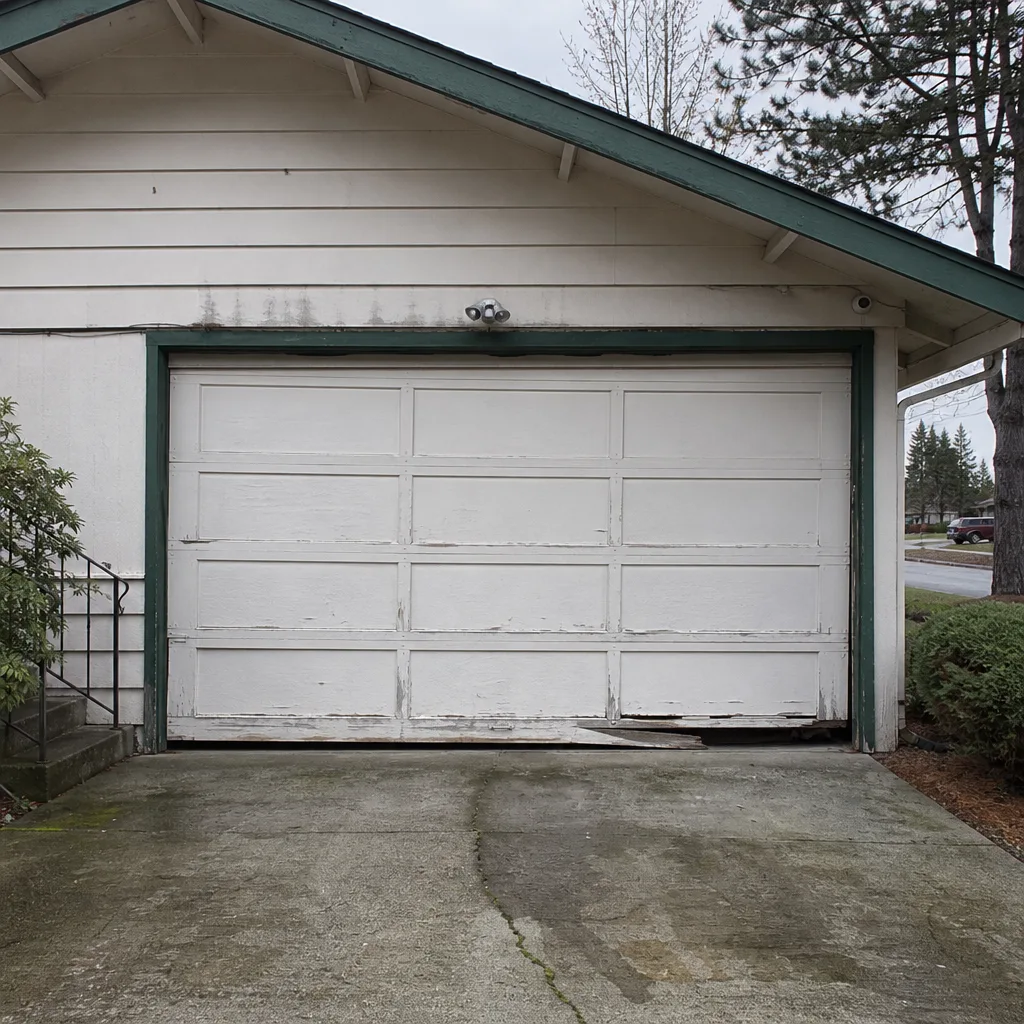 Before
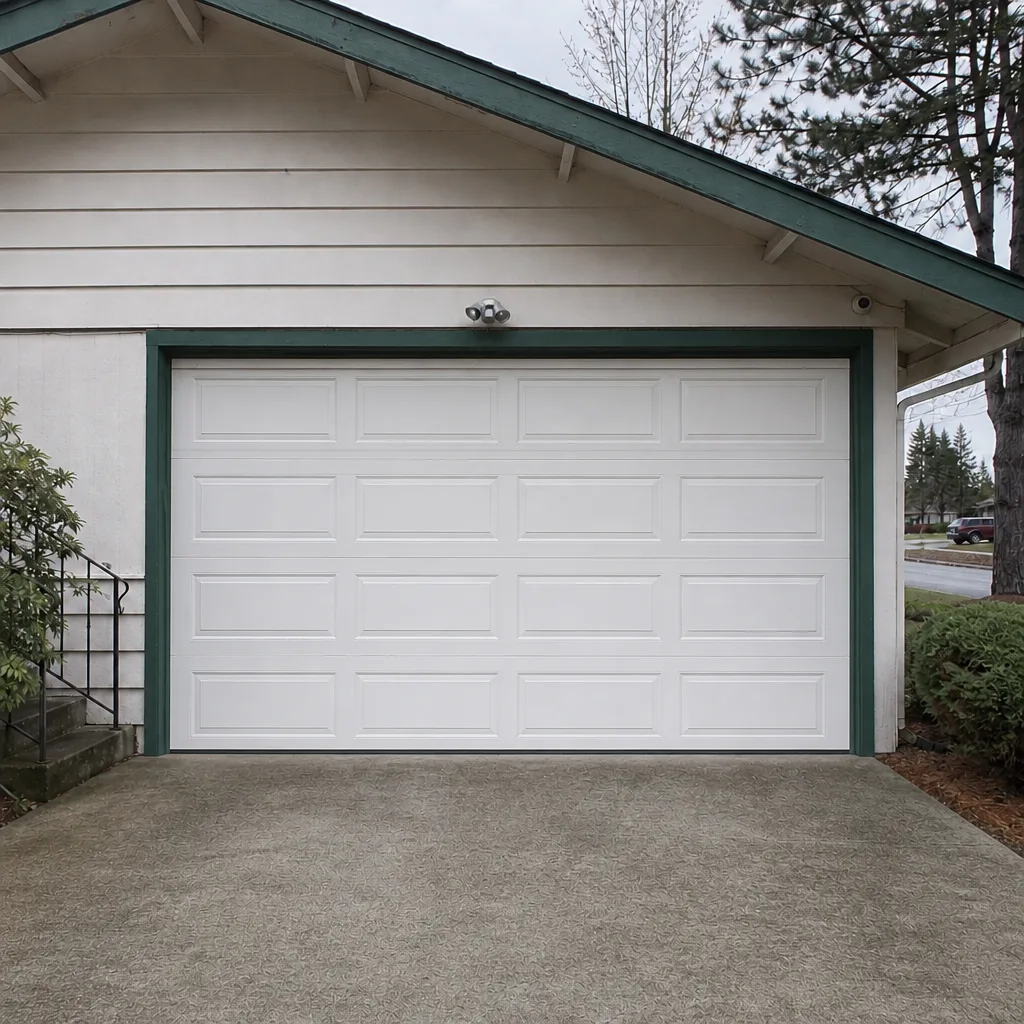 After
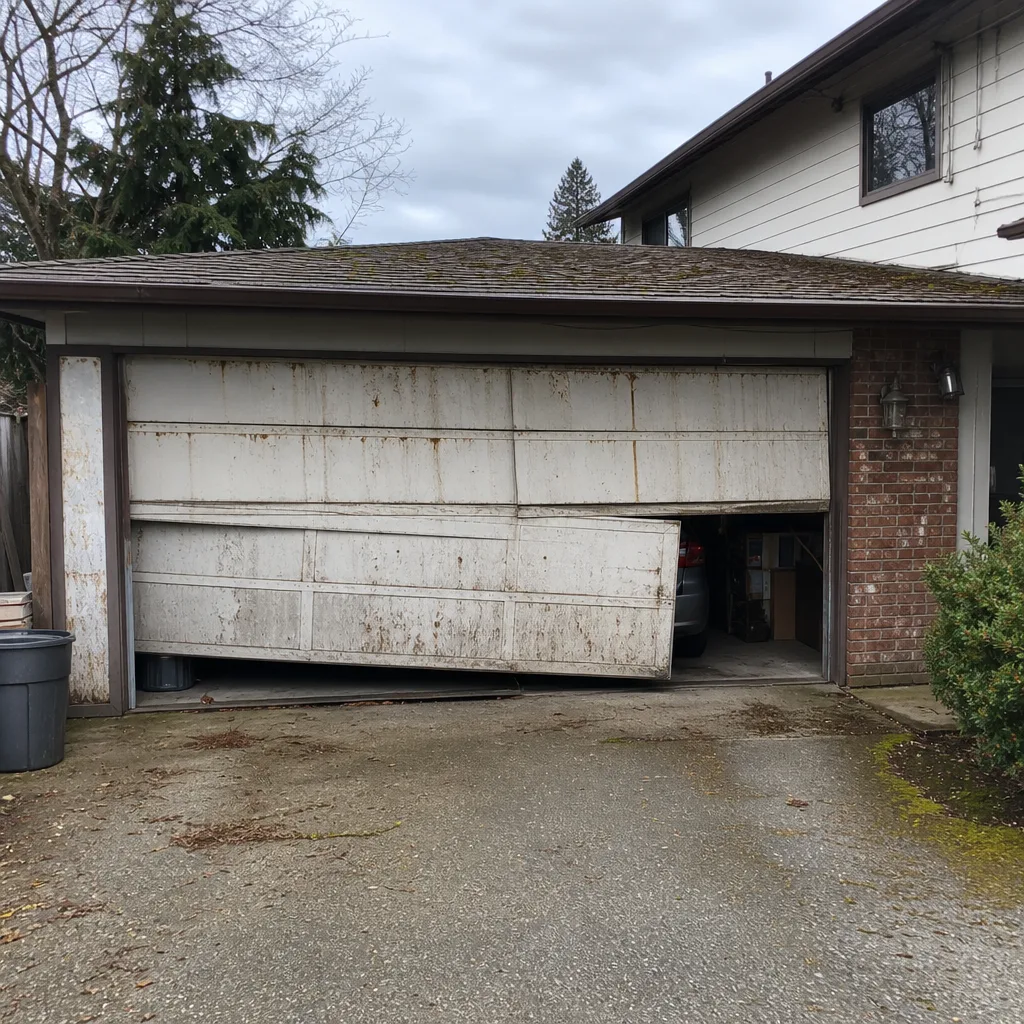 Before
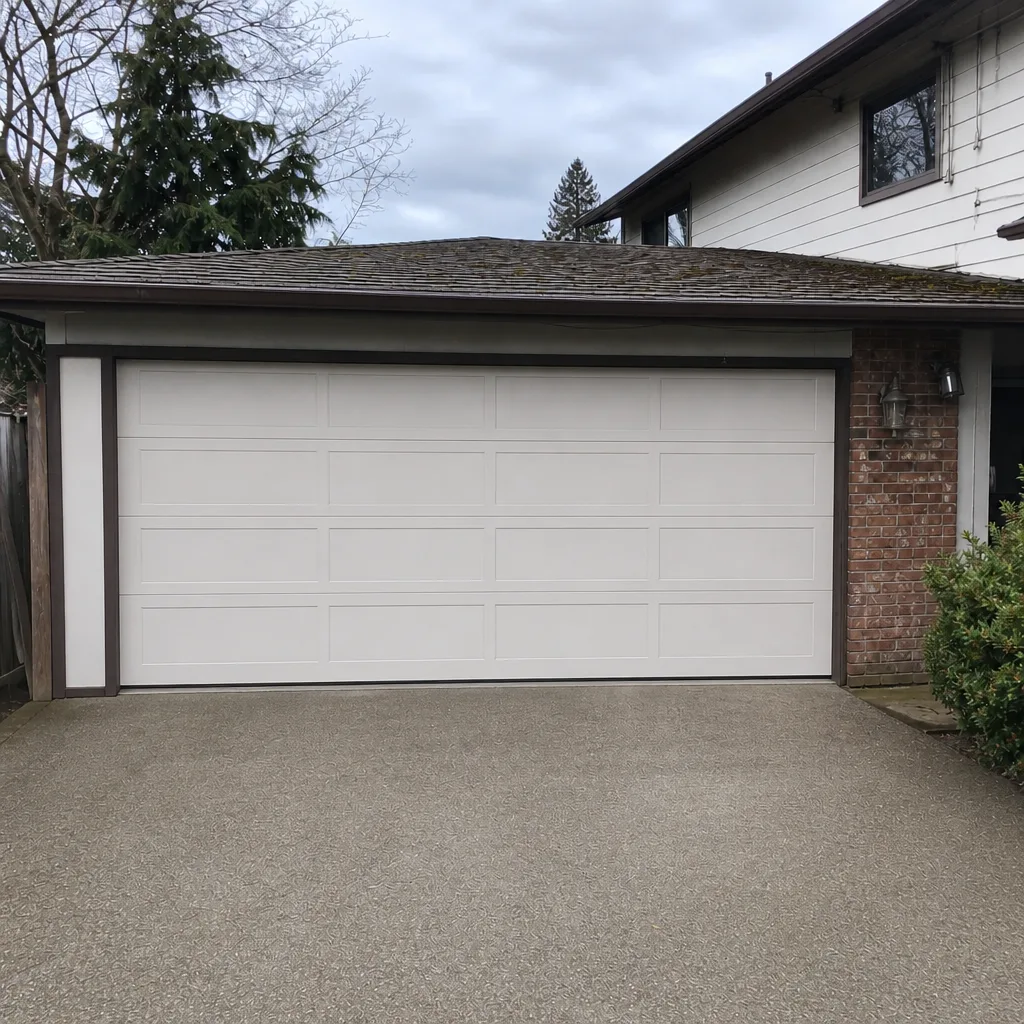 After
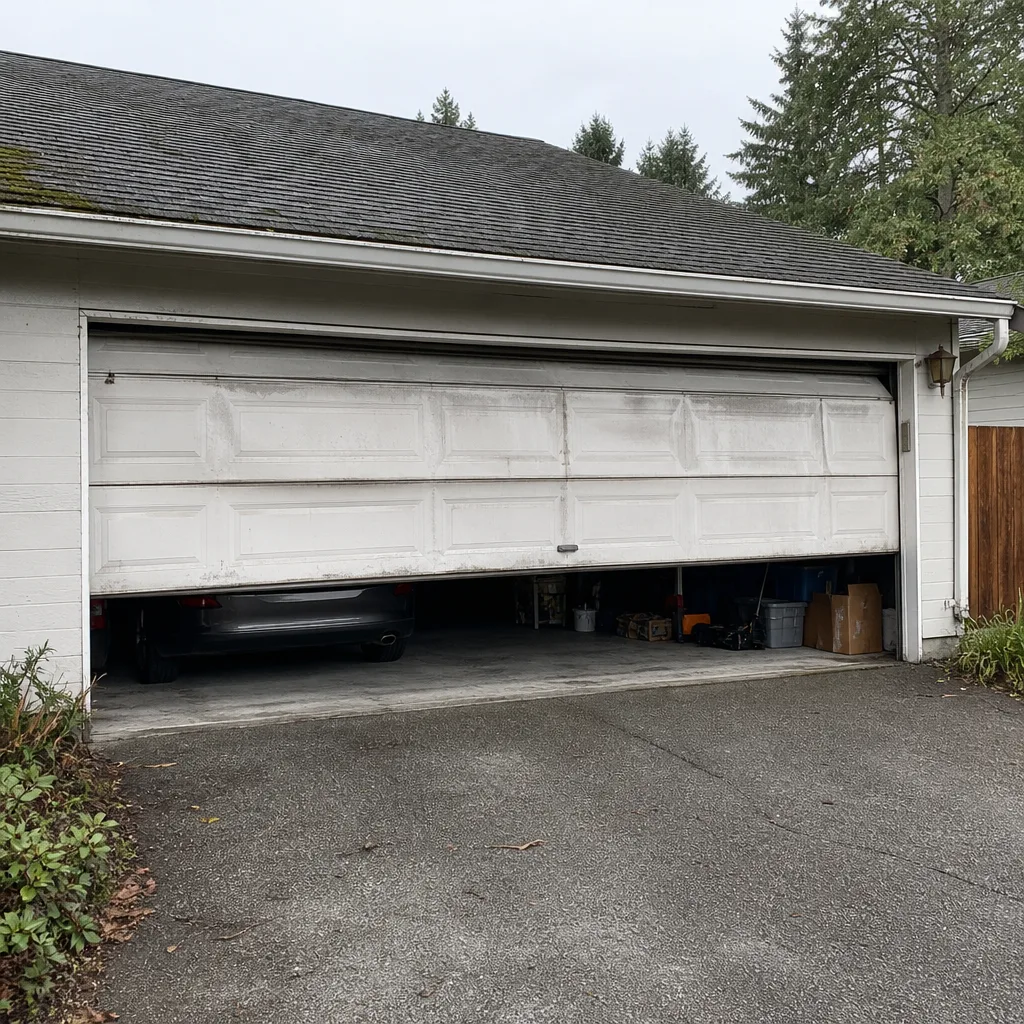 Before
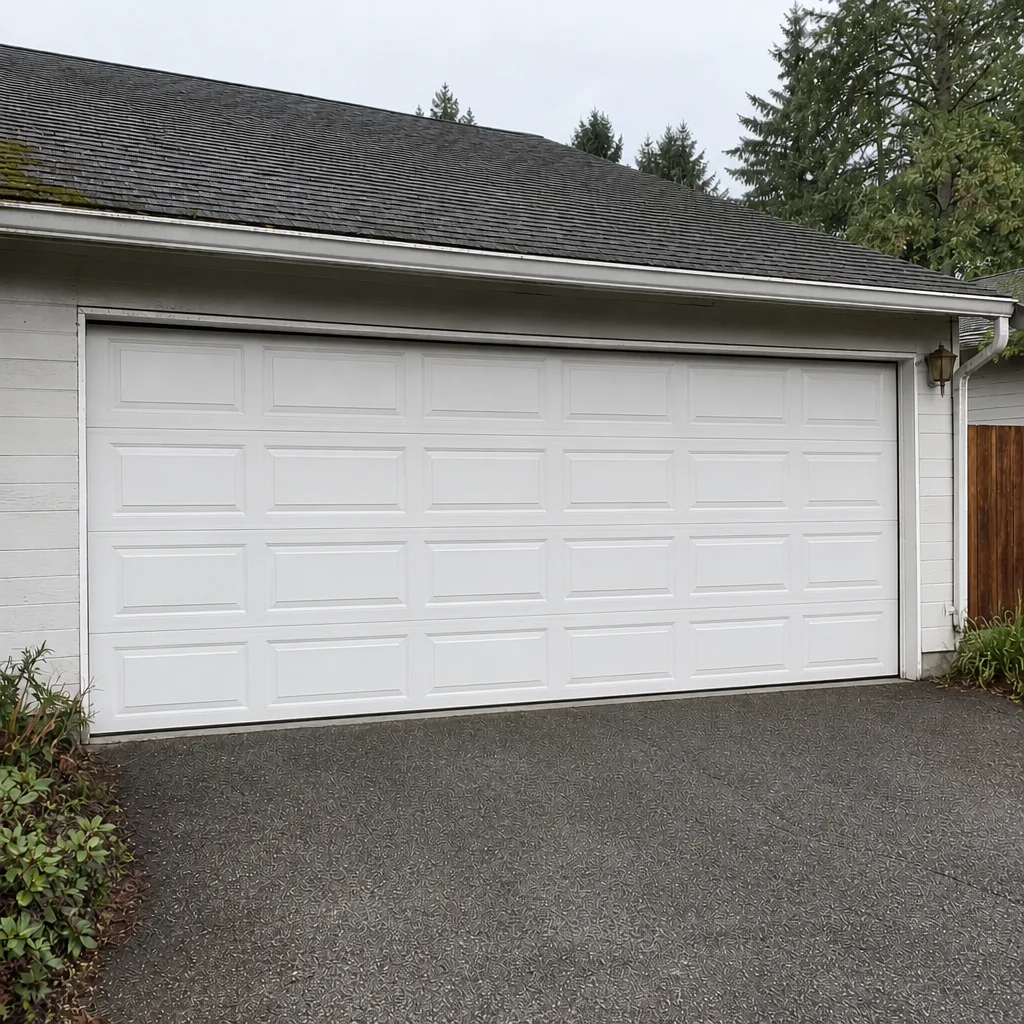 After
When to Call a Professional
Some brand decisions can wait; some can’t. Call us when a door isn’t closing fully and you’re not sure whether it’s a track, spring, or opener problem. Call when a spring breaks, when a door comes off its track, when an opener runs but the door doesn’t move, or when a door is stuck open and the house is exposed. Call when you’re planning a new door and want the brand, hardware package, and opener sized together in one written estimate. Call when you’ve got a warranty issue and you need to know whether it’s a covered defect or a wear item, and what local dealer can actually process the claim. Spring tension is the one thing you should never attempt yourself; a torsion spring under load can cause serious injury, and a trained technician with the right tools is the only safe route. Kirkland Garage Door Repair Pros offers free estimates in Kirkland – call (855) 981-4153.
Frequently Asked Questions
For most Kirkland homes, a well-galvanized insulated steel door from a brand with established Eastside dealer support is the strongest choice for our wet, mild climate. Clopay, CHI, Wayne Dalton, and Amarr all have suitable lines, but which one is best depends on the finish warranty term and the hardware package on the quote, not the badge alone. Call (855) 981-4153 for a free estimate that puts the brand, finish warranty, and hardware side by side.
Usually only partly. Most rust-through warranties cover perforation from the inside out and exclude surface rust, which is the failure a damp Kirkland neighborhood actually produces on shaded door panels. Read the exclusions list carefully and ask the dealer which corrosion failures the finish warranty covers. If you’re unsure, call (855) 981-4153 and we’ll walk you through the clauses before you buy.
Local dealer support determines whether a warranty claim actually gets resolved quickly. A brand with Eastside parts access can replace a panel or section in a reasonable time, while a brand routed through longer national distribution can leave a door stuck for weeks. Ask where warranty parts ship from before you choose. Call (855) 981-4153 for a free estimate and we’ll tell you which brands are easy to service here.
Not always, but you need to check. An insulated steel door can weigh more than the door your opener was originally sized for, and an undersized opener will struggle, sound worse, and wear out faster. We check lift capacity and balance before the install and tell you if an upgrade makes sense. Call (855) 981-4153 for a free estimate on the door and opener together.
Yes, and it’s common. Door brands and opener brands are separate systems, and the pairing works as long as the opener is sized for the door’s weight and balanced correctly. The one place to be careful is remotes and smart-home accessories, which cross over less freely between platforms. For a free estimate that matches the two, call (855) 981-4153.
Typically a single day once the door is on site, but the timeline depends on ordering, since most doors are measured, ordered, and scheduled rather than installed from stock. That’s different from a repair, which can often be done same-day. We’ll give you a written price and a scheduled install date before work starts. Call (855) 981-4153. We answer 24/7. Fast dispatch from 7am to 7pm, Sunday through Friday.
The Bottom Line
Brand selection for a Kirkland garage door isn’t about picking the most advertised name. It’s about matching material construction and finish warranty to our wet, mild climate, confirming the brand has local dealer support that can actually process a claim, and budgeting for the hardware package that determines how long the door lasts. Steel for most homes, composite where you want lower maintenance, aluminum for full-view designs, and wood only if you accept the upkeep. Read the warranty before the brochure, ask where parts ship from, and get the door brand, spring system, and opener sized together on one written quote. Springs are dangerous – that’s where a specialist earns their keep. We’re factory-familiar with Raynor, LiftMaster, Chamberlain, Genie, Clopay, Amarr, Wayne Dalton, and Craftsman, and garage doors are all we do. From emergency fix to full replacement, we can help you choose with confidence in Kirkland. Call (855) 981-4153 for a free estimate. We answer 24/7. Fast dispatch from 7am to 7pm, Sunday through Friday.
Written by the team at Kirkland Garage Door Repair Pros.