
Last updated November 21, 2026
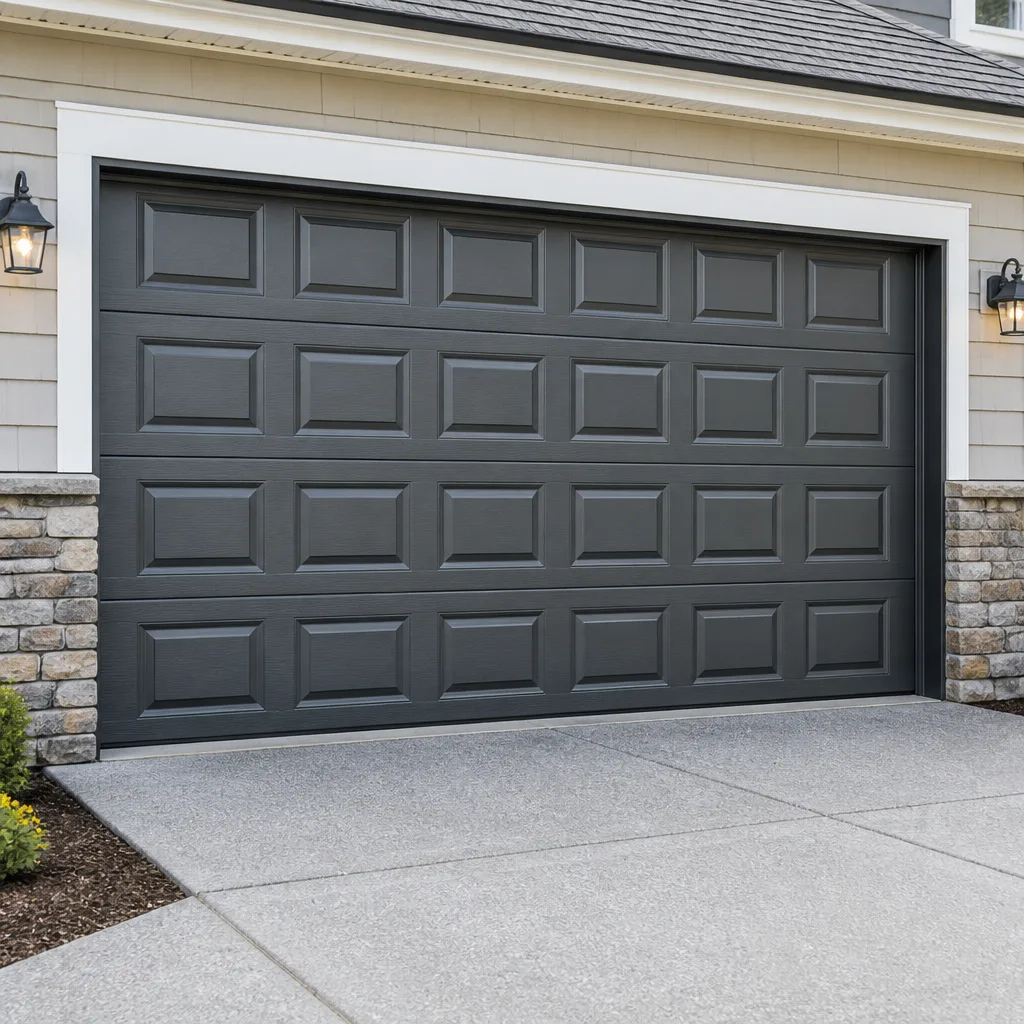 Raised-panel steel
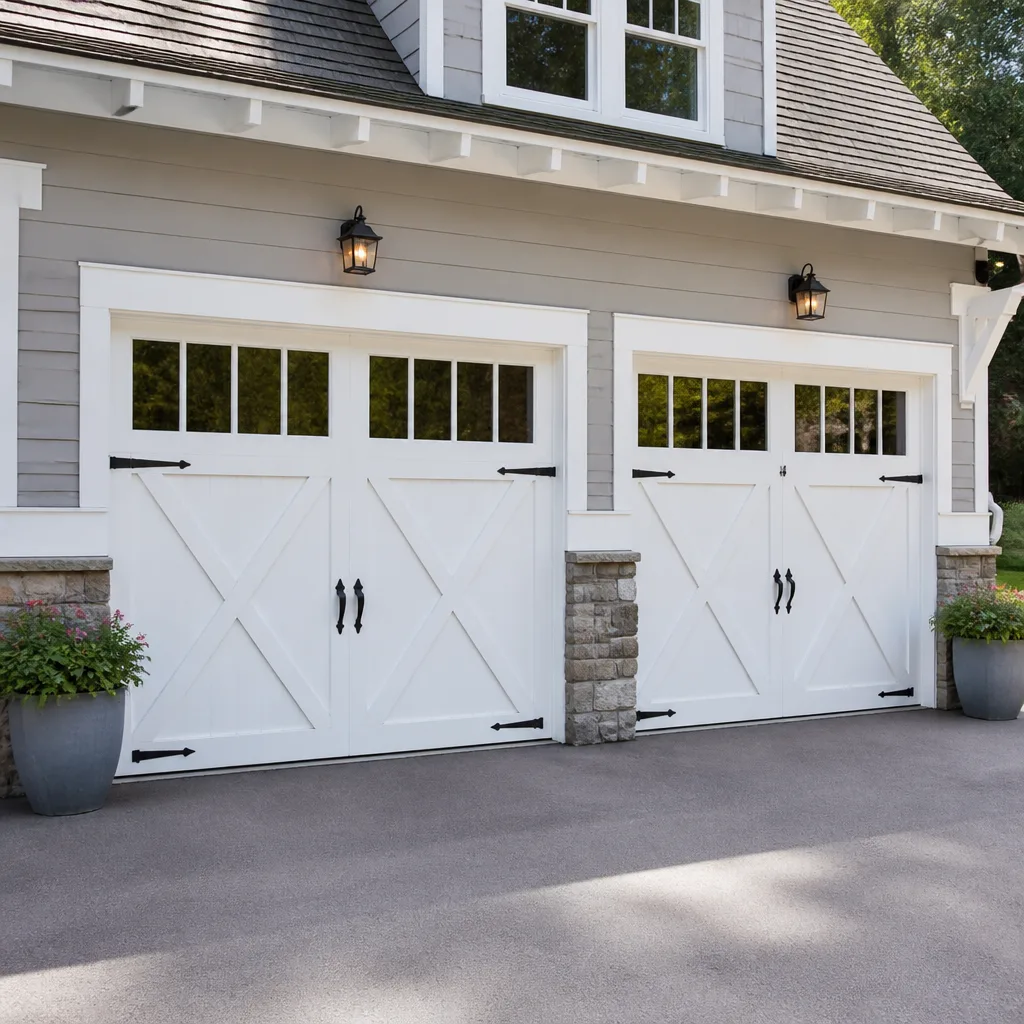 Carriage house
 Modern flush
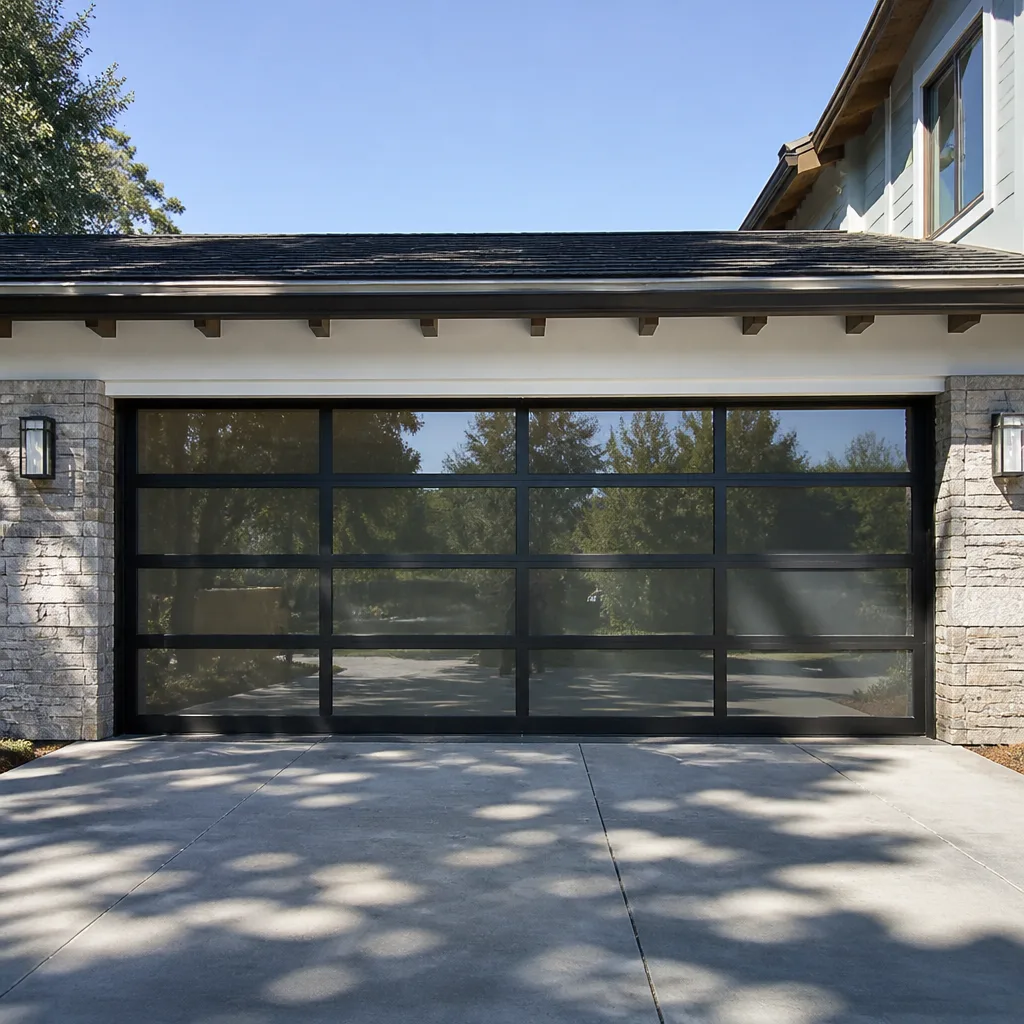 Full-view glass
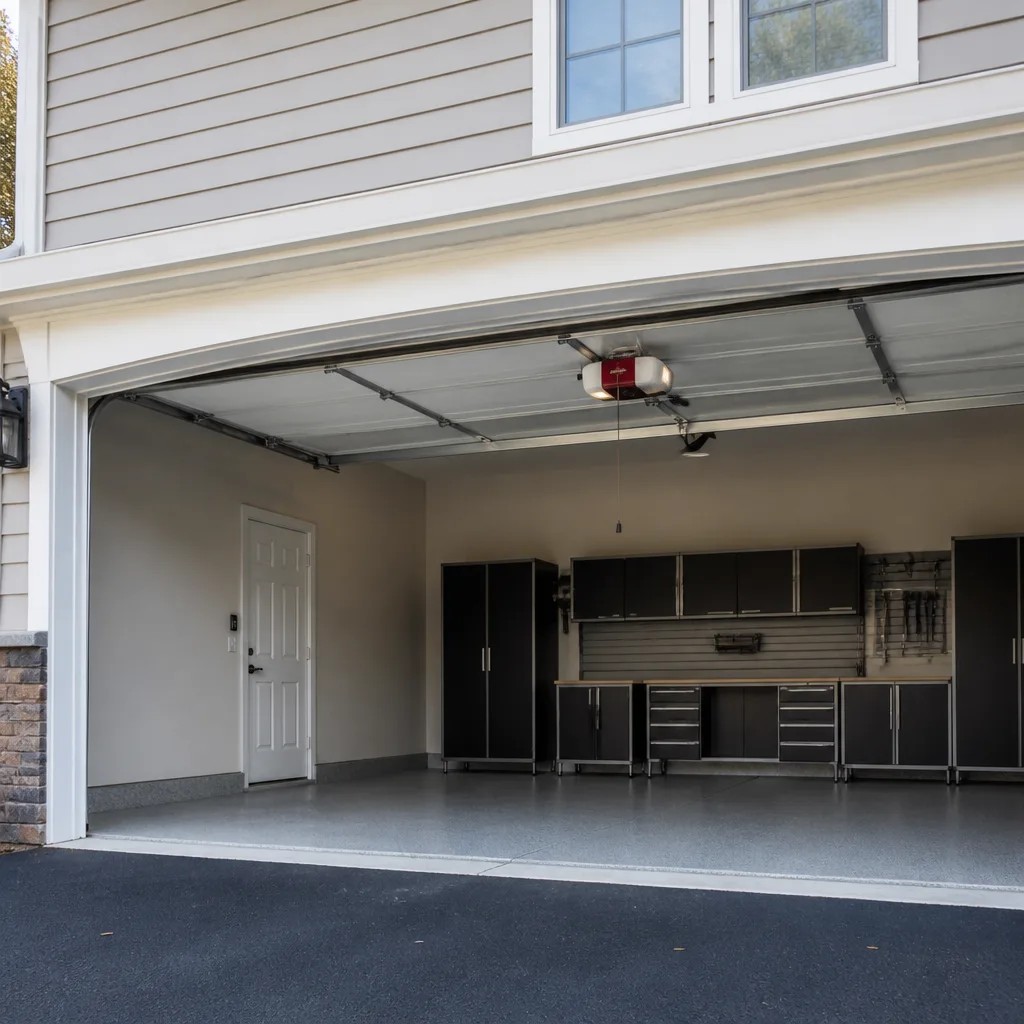 LiftMaster openers
 Chamberlain openers
Full 25-point door and opener safety check with every visit - springs, cables, rollers, tracks, and your LiftMaster or Chamberlain opener included
You get a price before we start. It does not change when the pro arrives.
Get your free estimateSeasonal Garage Door Care for Kirkland: Year-Round Homeowner’s Guide
Most garage door maintenance advice assumes four tidy seasons. Kirkland doesn’t work that way. What we actually get is a long wet stretch, a short and genuinely hot summer, and two shoulder periods that swing hard in both directions – and each one stresses a garage door system differently. A door that coasts through a dry climate can corrode, warp, or seize up here if nobody adjusts for the moisture load. This guide maps care tasks to Kirkland’s real weather calendar instead of a generic quarterly checklist, so you know what to inspect in October, what to watch in August, and what to do on the one freezing night that catches everyone off guard.
Styles & brands we work with
- Raised-panel steel
- Carriage house
- Modern flush
- Full-view glass
- LiftMaster openers
- Chamberlain openers
Quick Answer
Seasonal garage door care in Kirkland follows the local weather, not the calendar on a wall: prep seals, springs, and opener sensitivity before the long wet season in October, audit for rust and lubricate more often than the usual twice-a-year advice during the damp months, watch vinyl panels and opener thermal behavior through the short hot summer, and have a plan for the cold snaps that can freeze a bottom seal to the floor between December and February. The single highest-value habit is a pre-rain inspection each fall, because it prevents the majority of wet-season breakdowns before they start.
Table of Contents
- Why Kirkland’s Weather Doesn’t Fit a Standard Maintenance Schedule
- The October Pre-Rain Prep: Five Tasks That Prevent Most Wet-Season Calls
- Spring Tension and Why It Changes With the Seasons
- What Kirkland’s Short Summer Does to Panels and Openers
- The Spring Rust Audit: Where to Look After Months of Moisture
- Cold-Snap Response: When the Bottom Seal Freezes to the Floor
- A Year-Round Lubrication Schedule Tuned to Kirkland Humidity
- Common Mistakes to Avoid
- When to Call a Professional
- Frequently Asked Questions
- The Bottom Line
Why Kirkland’s Weather Doesn’t Fit a Standard Maintenance Schedule
Kirkland gets roughly 37 inches of rain a year, and most of it lands in a seven-month stretch from fall into spring. That’s the defining fact for anyone maintaining a garage door here. The system doesn’t experience evenly spaced stress; it gets months of persistent moisture followed by a brief, intense dry season and two volatile transitions in between. A door in Kirkland lives a very different life than the one a generic guide imagines.
What that means practically is that maintenance timing matters as much as the tasks themselves. Doing the right inspection in the wrong month wastes the effort, because the conditions that cause the failure haven’t arrived yet – or have already passed. The wet season is when seals, springs, and hardware take the real beating. The shoulder seasons are when small problems either get caught or turn into expensive ones.
We see the pattern clearly because garage doors are all we do. Homeowners across Kirkland call us in November with a door that was fine in September, and the reason is almost always that the moisture load arrived before anyone prepped for it. The fix isn’t complicated. It’s about matching your maintenance to the calendar the weather actually keeps.
Here’s the rough rhythm we work from:
- October through April: The long wet season. Moisture is the dominant stress. Seals, hardware, and springs get the most attention.
- May and June: A volatile shoulder period. Warmer and drier, but with real temperature swings that affect tension and lubrication.
- July and August: Short, hot, and dry. Heat stress on vinyl, and opener thermal behavior to monitor.
- September: The second shoulder. Cooler nights return, and it’s the ideal window to prep before the rains come back.
If your current routine is “check it twice a year and hope,” this guide will get you onto a schedule that actually matches conditions in Kirkland.
The October Pre-Rain Prep: Five Tasks That Prevent Most Wet-Season Calls
The most valuable hour you’ll spend on your garage door all year is the one you invest in October, before the wet season locks in. In our experience, the majority of wet-season service calls trace back to something that could have been caught in that window. Do these five tasks in sequence and you head into the long damp months with the system already stabilized.
- Inspect the bottom seal and the side and top weatherstripping. Run a hand along the entire seal for cracks, flat spots, and gaps. A seal that’s lost its flexibility will let water and cold air in all winter. Replace it before the rain, not after a wet floor appears.
- Check spring tension and balance. Disconnect the opener and lift the door halfway by hand. A properly balanced door stays put. If it drifts down on its own or feels unusually heavy, the springs are telling you something. This is a check, not a repair – springs are under extreme tension and are dangerous to adjust yourself; leave that to a technician.
- Adjust opener sensitivity and force settings. Cold, stiff hardware puts more load on the opener. Confirm the door reverses properly when it meets an obstruction and that the force setting is within the manufacturer’s range for your unit. LiftMaster, Chamberlain, and Genie openers all handle this differently, which is one reason we keep up with the major platforms.
- Lubricate the moving hardware. Rollers, hinges, tracks, and the spring coils get a proper lubricant before the damp sets in. Do this now so you’re not playing catch-up mid-winter.
- Tighten and inspect fasteners. Vibration loosens bolts over time. Go through the hinges, brackets, and track mounts and confirm nothing is working its way loose ahead of the season that shakes the door the most.
Together these five tasks address the failures that drive most October-through-April emergency calls in Kirkland. If a step turns up something you can’t safely resolve – a sagging door, a spring that looks stretched, a cracked panel – that’s the moment to book a proper garage door repair rather than wait for it to fail on a cold, wet night.
Spring Tension and Why It Changes With the Seasons
Garage door springs do the heavy lifting of the whole system, and temperature changes their behavior in ways homeowners don’t always feel coming. As temperatures drop, metal contracts and springs lose some tension; the door gets heavier and the opener works harder. In warmer weather the opposite happens. In Kirkland’s shoulder seasons, where a single week can swing widely, that tension is shifting back and forth more than most people expect.
This is why a door that felt balanced in August can feel sluggish by November. The spring itself may be fine – it’s responding to conditions. But it’s also why a worn or fatigued spring often declares itself during a transition, when the added stress tips an already-marginal spring over the edge.
A word on safety, because it matters here more than anywhere else on the door. Torsion and extension springs store enormous energy. A spring under tension can cause serious injury if it’s released accidentally, and the mounting hardware can fail violently. This is not a component to adjust, lubricate at the coils while under full load, or replace without training. A technician has the tools and the discipline to release tension safely. When a spring needs work, that’s a job for a specialist – and it’s a dedicated service for us precisely because it’s the most mishandled and most hazardous repair on the door.
What you can do is watch and listen. Signs a spring needs professional attention:
- The door feels much heavier when you lift it by hand.
- The opener strains, or the door rises unevenly.
- You hear a loud snap from the garage (a sign a spring has broken).
- The door won’t stay up when partially opened.
If any of these show up, stop using the opener and call for garage door spring repair. Forcing a door with a failed spring can damage the opener and the door itself.
What Kirkland’s Short Summer Does to Panels and Openers
Kirkland’s summer is brief, but it’s real, and it puts a specific kind of stress on a garage door. The heat is the thing to monitor from July into August, because it affects two parts of the system more than the rest: the panels and the opener.
Vinyl and composite panels are the most heat-sensitive. In a garage that gets direct sun on the door, or simply gets hot inside, vinyl panels can soften and, over repeated hot seasons, warp or sag. That warping doesn’t just look bad – it can throw off the door’s alignment in the tracks, causing rubbing and strain. Doors from manufacturers like Clopay and Amarr handle heat differently depending on the model and material, so watch your specific door rather than assuming. If you notice panels bowing or a gap opening along the seams, that’s worth a look before it affects operation.
Openers have thermal limits too. Most units are designed to run a certain number of cycles and then need to cool; on a hot day, an opener that’s working harder than it should can hit its thermal cutoff and stop mid-cycle. That’s a protection feature, not a failure – but if it happens repeatedly, the door may be running heavier than it should, or the opener may be aging. LiftMaster and Chamberlain units, among others, will behave differently here depending on model and settings.
Through the summer, keep an eye on:
- Panel seams and edges for bowing, warping, or separating.
- Any change in how smoothly the door travels in its tracks.
- The opener stopping partway and needing a pause before it runs again.
If you spot panel warping or an opener that’s cutting out, a garage door opener repair visit can sort out whether it’s a settings issue, a heavier door, or the opener itself.
The Spring Rust Audit: Where to Look After Months of Moisture
By the time spring arrives in Kirkland, a steel door has spent seven months absorbing moisture. That’s the longest continuous exposure most doors here ever face, and it’s when rust shows up in places homeowners don’t think to check. A rust audit in spring catches corrosion while it’s still cosmetic, before it eats into a structural part of the door.
Where to look, in order of importance:
- The bottom edge and bottom section of the door. This is closest to the floor, gets the most splash and standing moisture, and is the most common rust point on any steel door.
- Hinges and their mounting points. Steel hinges and the fasteners that hold them collect moisture and are prone to surface rust.
- Rollers and the track interior. Rollers that have picked up rust or debris will drag and wear the track.
- The seams and folded edges of panels. Water gets into the folded joints and sits there. Seams on doors from Wayne Dalton and similar manufacturers can trap moisture along the fold lines.
- The spring mounting hardware and brackets. Rust here is worth noting for a technician even if you don’t touch it.
Surface rust on a painted steel panel is usually cosmetic and can be addressed. Rust that has reached a hinge’s moving parts, or pitted a panel edge, is more than cosmetic – it’s a sign the door needs professional attention before the corrosion compromises the structure. When you do the audit, look at the whole door rather than just the obvious spots, because the failures that catch people out are almost always in the places nobody checked.
Cold-Snap Response: When the Bottom Seal Freezes to the Floor
Kirkland doesn’t freeze often, but between December and February a cold snap can drop temperatures enough to freeze the bottom seal to the concrete floor. When that happens, the worst thing you can do is force the opener. Pulling a frozen seal free by running the opener puts a huge load on the springs, the opener, and the door’s structure all at once – and can damage any of them.
If you suspect the seal is frozen, here’s the sequence that protects the door:
- Stop and disconnect the opener first. Don’t run the opener motor against a stuck door. Switch it to manual.
- Free the seal gently. Work around the bottom edge with a plastic scraper or a soft tool to break the ice bond, working methodically along the length of the seal. Never pry with metal against the seal.
- Lift the door by hand. With the opener disconnected, lift carefully. If it comes free and travels smoothly, you understand what happened and can re-engage the opener.
- Prevent the next freeze. Once it’s clear, clean the seal and the floor where it contacts and apply a light film of a lubricant suited to rubber to keep ice from bonding again. Check that the seal sits flat and isn’t holding moisture at the floor line.
If the door won’t free up, or if the opener already ran against the frozen seal before you caught it, that’s a call-in situation. Emergency garage door service is a standard part of what we do, because a door stuck shut or sprung loose is a real problem – a locked-in car or an unsecured home. Garage door work across the major brands, from LiftMaster to Clopay, means we’re familiar with the system you already have when a cold snap turns into a repair.
A Year-Round Lubrication Schedule Tuned to Kirkland Humidity
The standard advice to lubricate your garage door twice a year is too little for Kirkland. Our humidity, combined with the long wet season, means lubricant breaks down and washes away faster here than in a dry climate, and hardware that’s under-lubricated is more prone to rust, drag, and wear. A schedule that accounts for the local moisture load keeps the moving parts protected all year.
Here’s the rhythm we recommend for Kirkland:
- October (before the wet season): Full lubrication of rollers, hinges, tracks, and spring coils. This is the protective coat that carries you into the damper months.
- December or January (mid-wet season): A lighter re-application on hinges and rollers, since moisture is at its peak and lubricant film gets worked away.
- April (after the wet season): A fresh full pass as the damp recedes and the shoulder season begins.
- July (before the heat): Lubricate tracks and rollers so the door runs smoothly when heat stress is highest.
Use a lubricant meant for garage door hardware – not WD-40 as a stand-in, and not grease that will collect grit in the tracks. Wipe down the tracks rather than flooding them. If your door has been noisy or slow, more frequent lubrication is a low-cost first step, but it won’t fix a worn roller or a failing spring. If you’re not sure what you’re hearing, a professional look is the smarter move than guessing.
Common Mistakes to Avoid
- Running the opener against a stuck or frozen door. Kirkland’s cold snaps catch people off guard, and forcing the opener on a frozen seal stresses the springs and opener simultaneously. Disconnect and free the seal by hand.
- Adjusting springs yourself. Springs are under extreme tension and are genuinely dangerous to release without training. If you suspect a spring problem, stop using the door and call a specialist.
- Sticking to the twice-a-year lubrication rule. Kirkland’s humidity breaks down lubricant faster. Follow a moisture-aware schedule or you’ll be playing catch-up on rust and drag.
- Skipping the October seal inspection. A seal with cracks and gaps lets water in all wet season. Inspecting before the rains is the single most preventive thing you can do.
- Ignoring summer panel warping. Vinyl and composite panels that soften in the heat can throw off alignment. Catch bowing early rather than waiting for the door to rub in the tracks.
- Assuming spring tension problems are the opener’s fault. A door that feels sluggish in winter is often reacting to cold, not a failing opener. Diagnosing the wrong part wastes money.
- Letting surface rust on hinges and seams go unchecked. Cosmetic rust left alone can reach moving parts and structural edges after months of moisture. Spring is the time to audit.
When to Call a Professional
Some seasonal work you can do yourself – inspecting seals, lubricating hardware, checking balance by hand. Other situations call for a trained technician, and knowing the difference keeps you safe and saves you money in the long run. Call a professional if the door is unbalanced or falls on its own, if you hear a snap from the springs, if the opener reverses incorrectly or stops mid-cycle repeatedly, if panels are warped or the door is rubbing in the tracks, if the bottom seal is damaged or won’t free from a frozen floor, or if the door won’t open at all and you need emergency service.
Kirkland Garage Door Repair Pros offers free estimates in Kirkland – call (855) 981-4153. We answer 24/7, with fast dispatch from 7am to 7pm. Every price is quoted and agreed before any work starts, and the written estimate sets the final price. As a garage-door-focused team, we service the major brands you likely already own – LiftMaster, Chamberlain, Genie, Clopay, Amarr, Wayne Dalton, Craftsman, and Raynor – and our technicians have up to 14 years of experience.
Frequently Asked Questions
At least twice a year for a full inspection, plus the October pre-rain prep and the spring rust audit. Between those, check seals and lubrication more often than a dry-climate schedule would suggest, because Kirkland’s long wet season puts continuous moisture stress on seals and hardware. If your door is noisy, slow, or you notice any change in how it runs, service it sooner rather than waiting for the next seasonal window.
Check the bottom seal and weatherstripping for cracks and gaps, confirm the door’s balance and spring condition, adjust opener sensitivity and force settings, lubricate all moving hardware, and tighten loose fasteners. Those five tasks, done in sequence in October, head off the most common wet-season failures. Call (855) 981-4153 if any of these turn up a problem you can’t safely resolve.
Cold temperatures contract the springs and stiffen the hardware, so the door feels heavier and the opener has to work harder. That’s often a normal seasonal response rather than a failure. But if the door is very heavy, doesn’t stay partially open, or the opener strains badly, the spring may be worn and needs a professional look. Springs are dangerous to adjust yourself – call a specialist.
You can lubricate the rollers, hinges, tracks, and coils yourself using a lubricant meant for garage door hardware – avoid using WD-40 as a substitute and don’t pack the tracks with grease. In Kirkland, aim for a full pass in October before the wet season, a lighter re-application mid-winter, and fresh passes in April and July. Frequency matters here because humidity breaks the film down faster than in a dry climate.
It’s likely the bottom seal froze to the floor. Disconnect the opener, free the seal gently with a plastic scraper along the bottom edge, and lift the door by hand once the ice releases. Don’t force the opener. If the door still won’t open, or the opener already ran against the frozen seal, call (855) 981-4153 – emergency service is a core part of what we do.
Heat. Vinyl and composite panels can soften and bow when the garage gets hot in July and August, especially if the door faces the sun. Warping can throw off the door’s alignment and cause it to rub in the tracks. Monitor your panels through summer, and if you see bowing or separating seams, have it checked before it affects operation.
The Bottom Line
Seasonal garage door care in Kirkland works best when it follows the weather rather than a generic quarterly plan. The three priorities are: a thorough October pre-rain prep covering seals, springs, sensitivity, lubrication, and fasteners; a moisture-aware lubrication schedule that goes beyond twice a year; and a cold-snap response that never forces a frozen door with the opener. Add a spring rust audit and summer attention to panels and opener thermal behavior, and your door will handle the long wet season and short hot summer without the failures that drive most emergency calls. When something looks off – especially anything involving springs – call a specialist. Kirkland Garage Door Repair Pros offers free estimates in Kirkland. Call (855) 981-4153. We answer 24/7, with fast dispatch from 7am to 7pm, Sunday through Friday. You can also start with Kirkland Garage Door Repair Pros for the full range of garage door services.
Written by the team at Kirkland Garage Door Repair Pros.
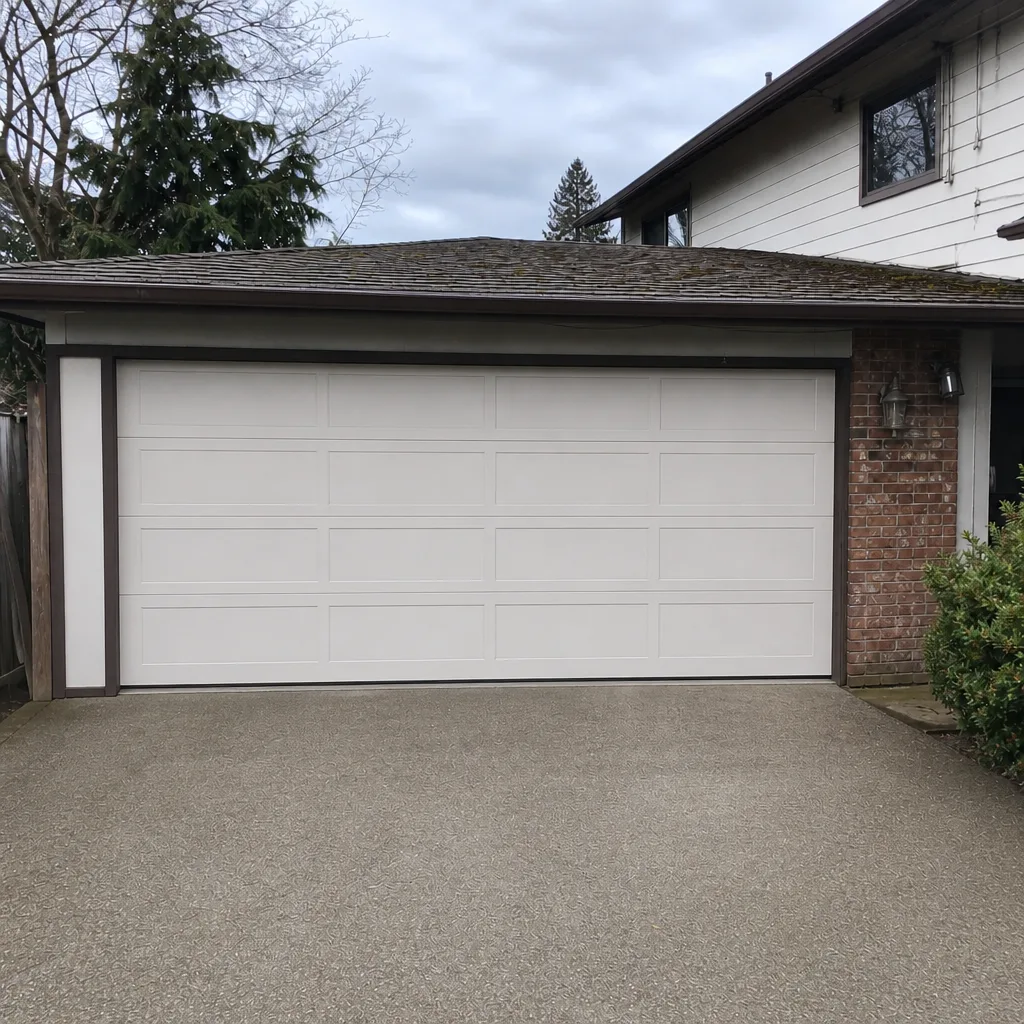
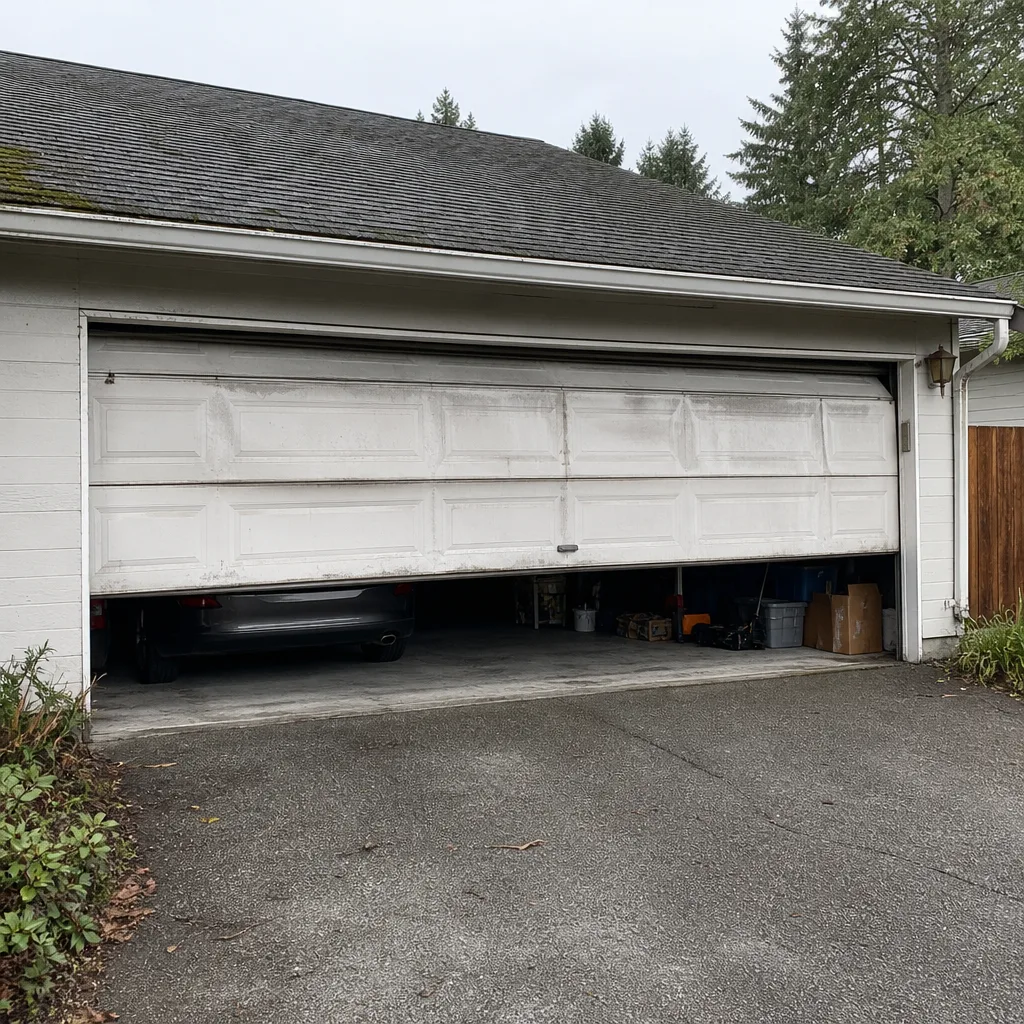
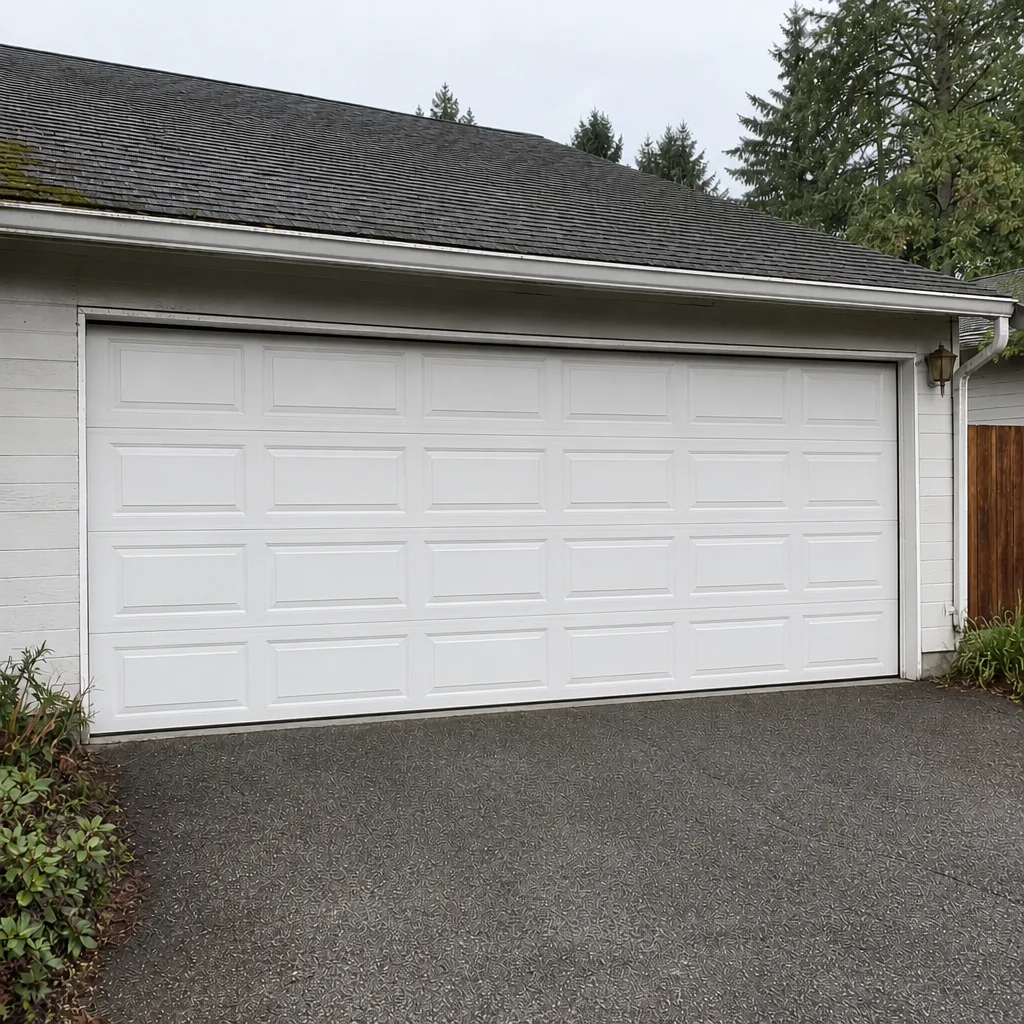
See the difference
 Before
 After
 Before
 After
 Before
 After